Newsletter Subscribe
Enter your email address below and subscribe to our newsletter
[forminator_form id="25163"]

All voices matter
reuters+1reuterscnbc+1Artificial intelligence dominated discussions at the European Central Bank's annual forum in Sintra, Portugal, this week, with central bankers from both sides of the Atlantic warning that the technology poses risks to financial stability that existing regulations are ill-equipped to address.
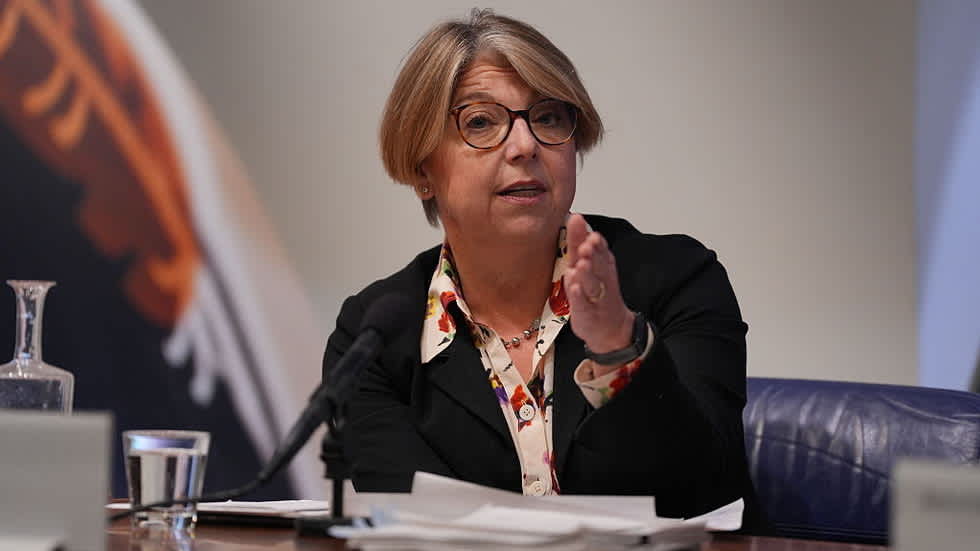
Bank of England Deputy Governor Sarah Breeden delivered one of the forum's most pointed warnings on Tuesday, telling attendees that autonomous AI agents could trigger market meltdowns by responding to the same shocks in lockstep, amplifying volatility through "herding behaviour."reuters+1
"Our frameworks were not built to contemplate autonomous agents, and relying on a human in the loop for all agent actions is unlikely to be realistic," Breeden said.reuters
Among the measures the BoE is now considering are market-wide circuit breakers or "kill switches" that would halt trading if faulty AI models cause widespread disruption, as well as "enhanced recovery" arrangements that would allow one bank to take over another's basic functions during an AI-related failure. The speech marked a shift for the BoE, which had previously insisted that existing frameworks were sufficient to mitigate AI risks.letsdatascience+1
Federal Reserve Chairman Kevin Warsh, making his first appearance on the global stage at the forum on Wednesday, described AI as presenting "the biggest time of consequence to each of our economies, I think in our lifetime." Warsh also said AI carries "huge implications" for Fed policy, though he declined to signal any near-term rate decision.cnbc+2
Apollo Global Management's Torsten Slok, who participated in the forum's sessions, warned that AI poses risks regardless of whether it lives up to its promise. "If AI underdelivers, it will impact financial stability," Slok told attendees, while cautioning that overdelivery could prove equally destabilizing.money.usnews
The discussions at Sintra follow a June report from the Financial Stability Board calling for tighter safeguards against the risks posed by AI agents, which it said present a distinct challenge to human oversight. The consensus among participants, according to a Reuters analysis, was that AI has the power to disrupt financial markets, labour markets, and bank lending in ways central bankers "can't even imagine right now."money.usnews+1
No binding rules emerged from the forum, but the tone suggested regulators are moving from principles to concrete intervention tools — a shift that markets and financial institutions will need to watch closely.