Newsletter Subscribe
Enter your email address below and subscribe to our newsletter
[forminator_form id="25163"]

All voices matter
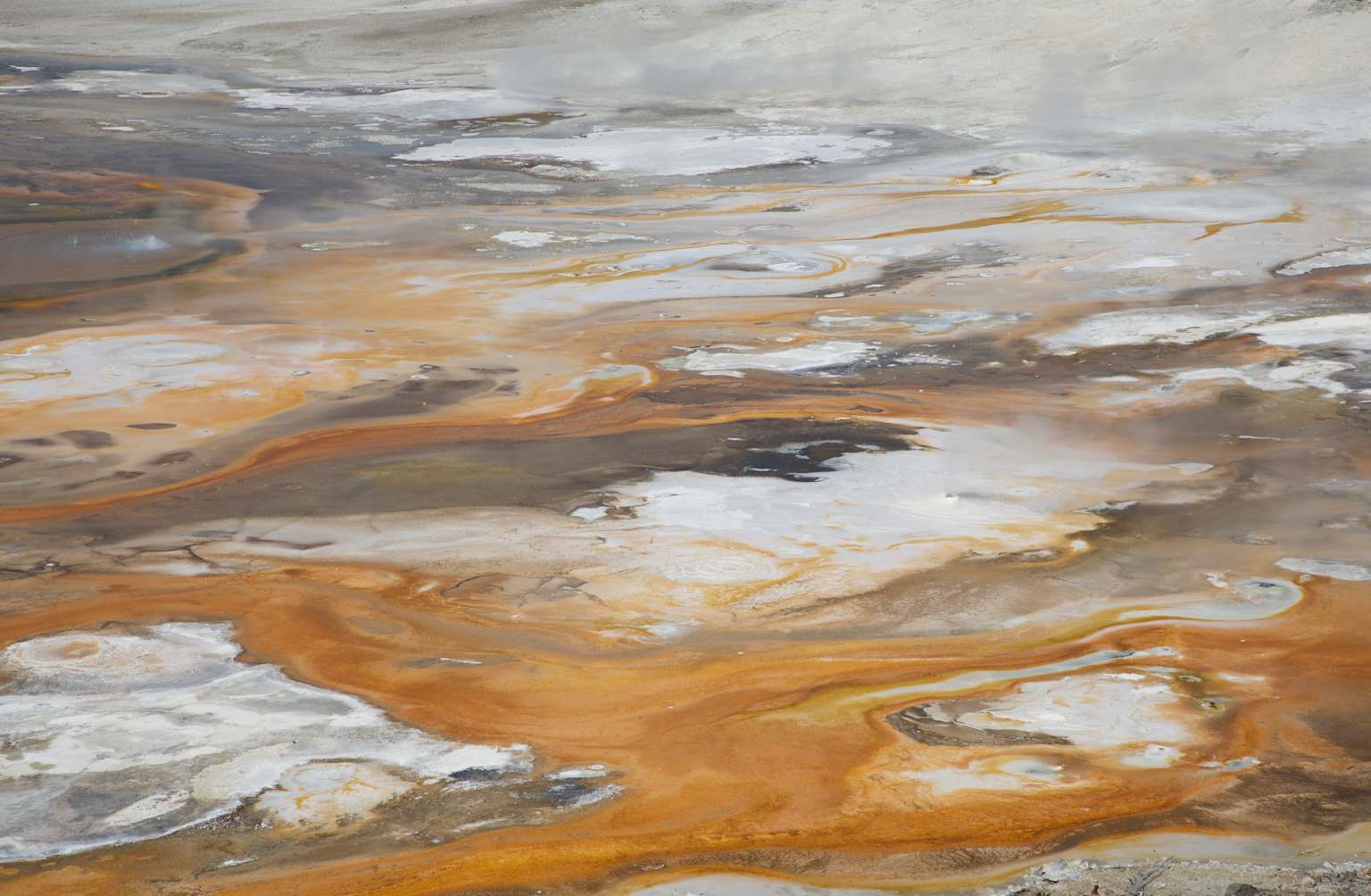
livescience+1psi+1gizmodoEarth's crust may have become stable enough to support the chemistry that preceded life around 4.33 billion years ago, according to a study published Tuesday in Nature Communications. The research, led by Oleg Abramov of the Planetary Science Institute in Tucson, Arizona, offers one of the most precise timelines yet for when our planet transitioned from a hostile, impact-battered world to one capable of nurturing the molecular precursors of life.psi+1
The study uses a three-dimensional computer model to simulate how impacts from asteroids, comets, and leftover planetesimals heated Earth's crust over a billion-year span, from 4.5 to 3.5 billion years ago. The researchers then compared modeled crustal temperatures with the thermal stability limits of RNA and other molecules central to the origin of life.gizmodo+1
The results point to a turning point around 4.4 billion years ago. Before that, any region of the crust that had cooled enough for prebiotic chemistry could be reheated by a subsequent impact, effectively resetting the clock. After 4.4 billion years ago, portions of the shallow crust began to remain below critical temperature thresholds permanently — what the authors call "never-sterilized" regions.psi
"Prebiotic chemistry needs continuously stable temperatures, not just a brief cool interval between impacts," Abramov said in a statement from the Planetary Science Institute. "Once never-sterilized volumes appear, parts of the shallow crust stay below the temperature threshold from that time forward."psi
The researchers were focused on the RNA world hypothesis, which proposes that before DNA assumed its modern role, self-replicating RNA molecules served as the foundation for the earliest life. For such a system to develop, molecules would need time to form, remain stable, and interact — conditions that early Earth's relentless bombardment did not allow.livescience+1
Around 4.33 billion years ago, the simulations show a convergence of favorable factors: bombardment had eased enough for stable environments to persist, yet impacts were still producing hydrothermal systems — settings rich in water, heat, and chemical energy that are considered plausible cradles for prebiotic chemistry.psi+1
The timeline also aligns with geological evidence. Zircon crystals indicate that liquid water was present on Earth by about 4.4 billion years ago, consistent with the model's predictions. And at roughly 130 million years before the estimated emergence of LUCA, the last universal common ancestor of all modern life, the window fits within broader evolutionary timelines.gizmodo+1
Abramov cautioned that thermal suitability alone does not guarantee the emergence of life. RNA chemistry also requires liquid water, reduced nitrogen, specific pH and salinity levels, and mechanisms to concentrate key ingredients — variables the model does not address.gizmodo+1
Still, the framework could extend beyond Earth. "One intriguing question is the timing of the habitability window on Mars, which likely opened significantly earlier than on Earth due to Mars' smaller size and lower average impact velocity," Abramov said.gizmodo