


Newsletter Subscribe
Enter your email address below and subscribe to our newsletter
[forminator_form id="25163"]

All voices matter
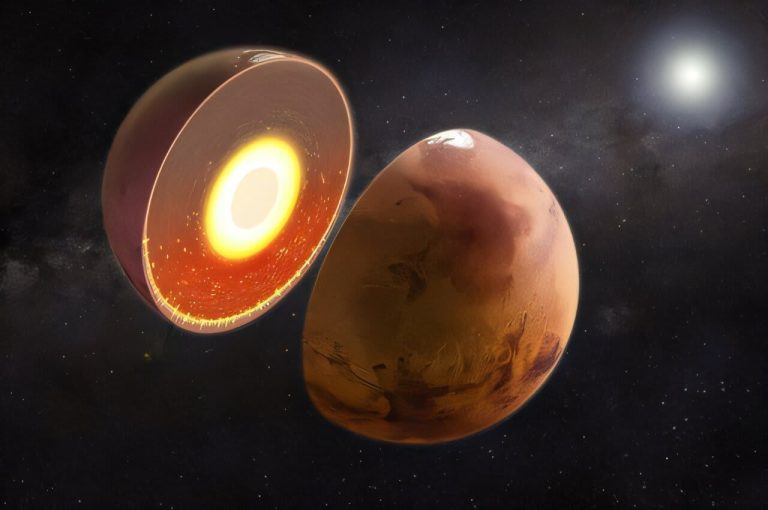
Researchers have found that Mars's southern interior is 200 to 400 degrees Celsius warmer than its northern half and partially molten, a discovery that could reshape understanding of the planet's geological history and past habitability.
You're all caught up
You've seen all the main stories from the past 2 days.

Researchers at Lawrence Livermore National Laboratory have resolved a 20-year discrepancy in understanding how diamond behaves under extreme pressure, with findings that could triple energy gain in fusion experiments and reshape models of ice giant planet interiors.

A new analysis of images captured during NASA's New Horizons spacecraft's 2015 flyby of Pluto has revealed the first evidence that liquid nitrogen has recently flowed on the dwarf planet's surface, upending assumptions about what is possible on this distant,…

NASA's James Webb Space Telescope has uncovered evidence that three of Neptune's small inner moons are the shattered remnants of ancient icy worlds destroyed billions of years ago in a celestial demolition derby triggered by the rogue moon Triton, according…
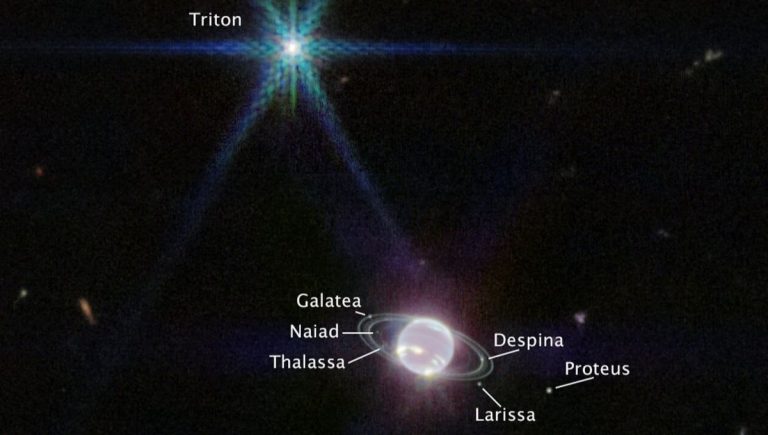
NASA's James Webb Space Telescope has revealed that Neptune's inner moons are unlike anything else in the outer solar system — and may be the exposed guts of ancient icy worlds torn apart billions of years ago.

Ancient samples from the Moon's far side are reshaping scientists' understanding of how asteroid impacts shaped the early Solar System, with new research suggesting bombardment declined gradually over billions of years rather than occurring as a single catastrophic burst.

A study published in Nature Astronomy on June 26 reveals that Mars once harbored vast, interconnected magmatic systems comparable to those found beneath Earth's surface — despite the Red Planet lacking the tectonic plates long considered a prerequisite for such…