Newsletter Subscribe
Enter your email address below and subscribe to our newsletter
[forminator_form id="25163"]

All voices matter
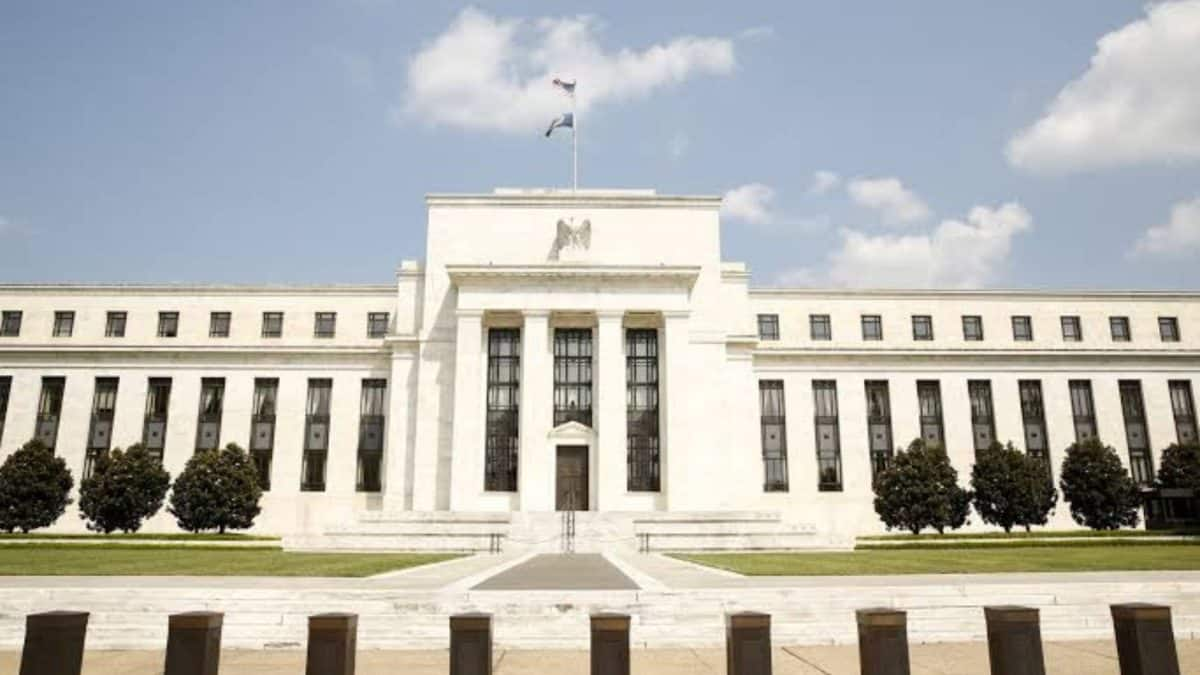
chosun+1theedgemalaysia+1theedgemalaysiaThe U.S. Federal Reserve's first interest rate increase in more than three years sent the dollar surging to a seven-week high on Wednesday, deepening pressure on emerging Asian currencies already strained by rising oil prices and escalating Middle East tensions.
The Fed raised its benchmark rate by 25 basis points to 3.75–4.00% in a unanimous decision, while signaling at least one more hike this year. The move pushed MSCI's gauge of emerging market currencies down 0.2% on Thursday, extending its decline to a sixth consecutive session and hitting its lowest level since August 21.chosun+2
The rate hike arrives as emerging markets grapple with oil prices above $100 a barrel following attacks on Saudi Arabia's East-West pipeline, creating what analysts describe as a triple burden of high oil prices, a strong dollar, and rising interest rates. Brent crude closed at $105.83 per barrel on Wednesday, the same day the Dollar Index climbed 0.62% to 100.255 and 10-year U.S. Treasury yields surpassed 5%.reuters+1
"The focus of the debate has now shifted from whether interest rates will rise again to how many more times they will be hiked," Shima Shah, chief global strategist at Principal Asset Management, told Reuters. "The unanimous vote shows that even the doves have joined the rate hikes due to rising energy prices and stubborn inflation."chosun
A Reuters poll published Thursday showed bearish sentiment deepening across most emerging Asian currencies. The Philippine peso remained the most shorted currency in the region, with bearish bets at their highest in over four months after the currency hit record lows three times in September. Short positions also grew on the Thai baht, Indian rupee, and Malaysian ringgit.reuters
The Malaysian ringgit fell as much as 0.4% to 4.098 against the dollar on Thursday, its lowest since June 26. Indonesia's rupiah declined 0.5% to a two-week low of 17,765, while South Korea's won dropped to a three-week low of 1,384.40 per dollar.theedgemalaysia+1
Inki Cho, a senior financial market strategist at Exness, described the moves as "orderly but cautious," noting that "position-squaring ahead of the weekend is amplifying the moves, but this isn't panic selling".theedgemalaysia
Brian Jacobsen, chief economist at Annex Wealth Management, told Reuters that Fed Chair Kevin Warsh "not only read the markets, but he read the room," adding that the Fed's language suggested another hike this year "should not be taken for granted". Deepak Agrawal of Kotak Mutual Fund warned that rising crude prices and higher global rates could push India's Reserve Bank to raise rates by 50 basis points.firstpost
Attention now turns to the Bank of Japan, which is expected to raise interest rates to a 31-year high on Friday.theedgemalaysia