Newsletter Subscribe
Enter your email address below and subscribe to our newsletter
[forminator_form id="25163"]

All voices matter
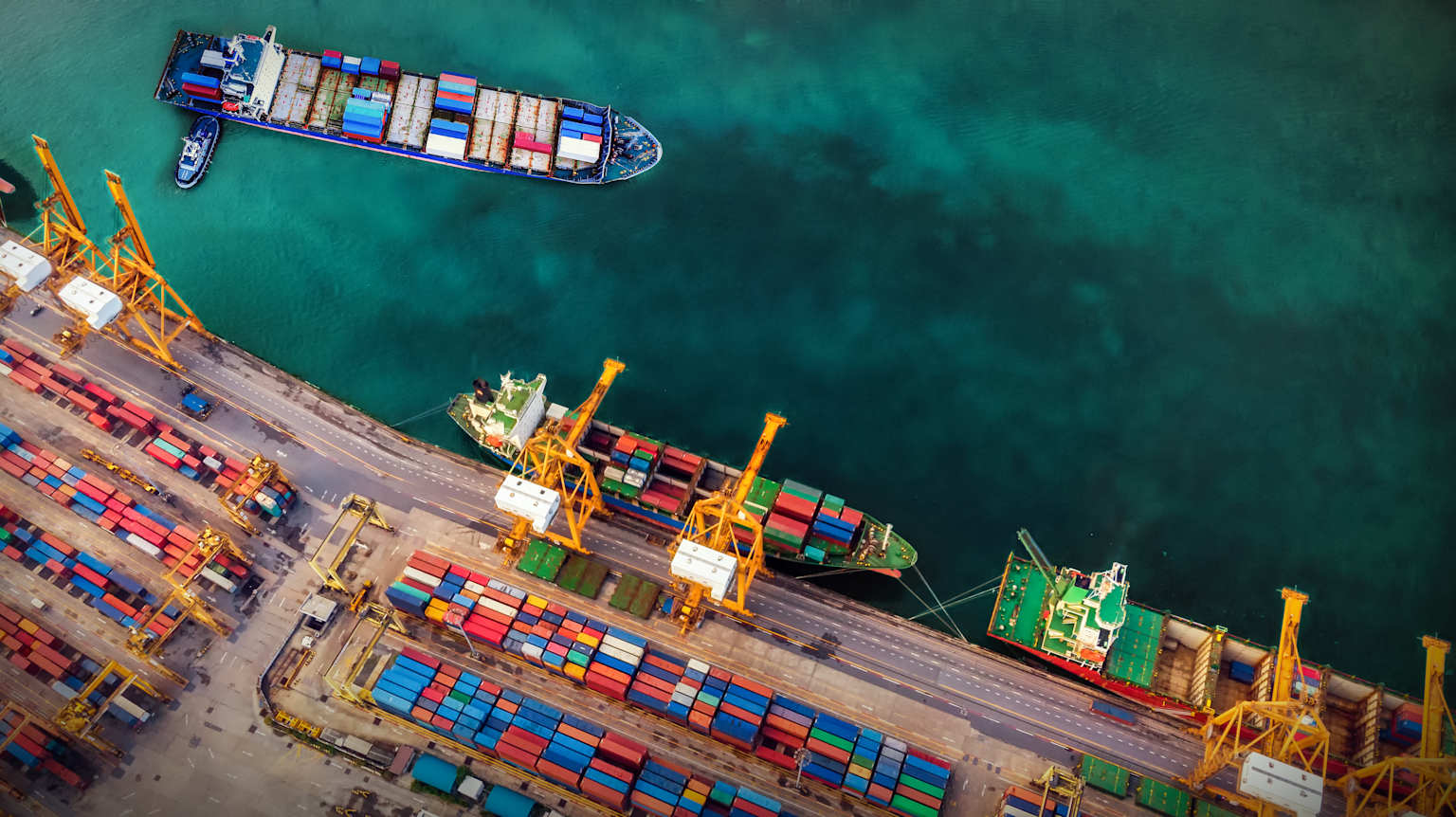
streamlinefeedgtreviewstreamlinefeed+1The World Trade Organization's 2026 World Trade Report, published on Tuesday, September 15, describes what the organization calls the most serious and sustained disruptions to global trade policy since the multilateral system was created roughly 80 years ago. The report warns that abandoning multilateral cooperation could slash global exports by more than a quarter and cost trillions in economic output, while urging members to reform rather than discard the rules-based trading system.gtreview+1
The WTO modeled three possible futures for trade through 2050. In a "free trade agreement world," where bilateral and regional deals replace multilateral cooperation, global exports could fall 26.9% and GDP could decline 6.9%. A "geo-fragmented world" organized around geopolitical blocs would cut exports by 18.6% and GDP by 5.1%. By contrast, a strengthened multilateral framework — featuring broader market-opening commitments, digital trade rules, and expanded WTO membership — could lift global GDP by 2.9% and exports by 17.9%, with least-developed countries gaining up to 7.7% in GDP growth.streamlinefeed+1
The report noted that about 72% of all global merchandise trade still operates on most-favoured-nation tariff terms available to all 166 WTO members, a legal floor the organization described as keeping disruption from becoming collapse.gtreview+1
WTO Director-General Ngozi Okonjo-Iweala warned this week that a surge in trade in artificial intelligence-related goods is obscuring the damage from tariffs and other disruptions. According to WTO data cited by the Financial Times News Corp , AI-related goods trade grew 42% year on year in the first quarter of 2026, compared with 7% for non-AI goods, and accounted for nearly 19% of world merchandise trade. Okonjo-Iweala cautioned that if the AI investment surge proves to be a bubble, the trade growth it drives cannot last.streamlinefeed
The report also projected that AI could increase global trade by 40% by 2040 if gains spread beyond their current concentration in Asian manufacturing chains and North American capital markets.streamlinefeed
At the WTO Public Forum this week in Geneva, experts and officials pressed for coordination rather than fragmentation. A seminar organized by Tsinghua University drew participants from WTO member governments, academia, and the private sector, with speakers urging that industrial policies be kept in line with WTO rules and evaluated for productivity and consumer welfare rather than simply export volume. Brazil's foreign trade secretary, Tatiana Prazeres, said her country does not want to take sides among major powers and called for a "functional organization that delivers on its development promises" rather than one that merely stabilizes the geopolitical balance among large players.chinadaily+1
"The global trading landscape has changed significantly but the founding logic of the system, that all economies are better off co-operating rather than acting unilaterally, remains as relevant today as ever," Okonjo-Iweala said.gtreview