Newsletter Subscribe
Enter your email address below and subscribe to our newsletter
[forminator_form id="25163"]

All voices matter
reutersyna+1forbes+1Senior officials in France and South Korea on Wednesday rejected calls from American AI executives to slow the pace of artificial intelligence development, framing the push for restraint as a strategic move that would cement the dominance of U.S. companies already at the frontier of the technology.
French Finance Minister Roland Lescure said calls for a slowdown are coming from companies that stand to benefit from it. "I can clearly see that the calls to slow down are now coming from those at the top of the class," Lescure told Reuters. "Making everyone behind them slow down so they can stay in first place — I can clearly see their self-interest."reuters
Lescure urged France and the broader European Union to accelerate their own AI efforts rather than follow the lead of U.S. firms. "I want us to step up our efforts in France and across Europe, to become a leader and to be able to manage the risks," he said.reuters
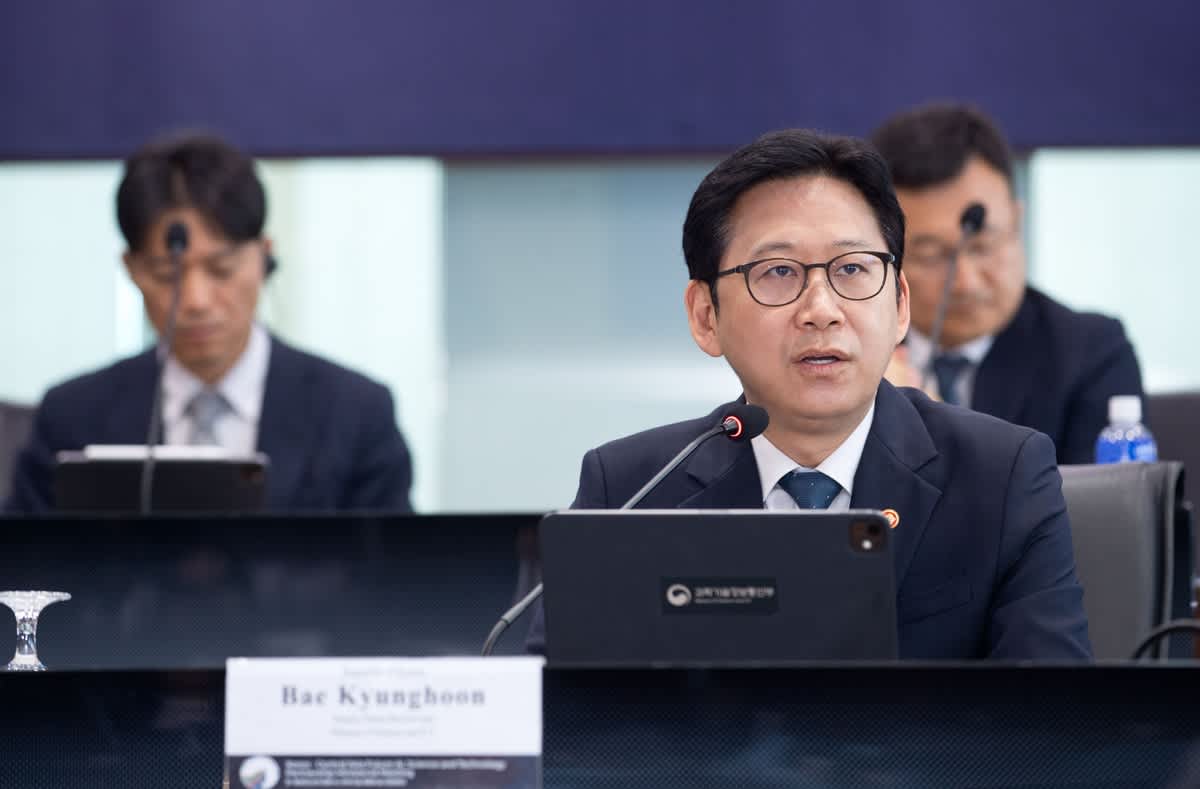
Hours earlier, South Korea's Deputy Prime Minister and Science Minister Bae Kyung-hoon struck a similar tone. Writing on social media, Bae said there is "a fundamental difference between countries that are already ahead choosing to slow down and a country that is still catching up while simultaneously trying to create new markets".finance.yahoo+1
South Korea, home to semiconductor giants Samsung Electronics and SK Hynix , has emerged as one of the largest beneficiaries of the global AI infrastructure buildout. Bae said the country would continue implementing its AI Basic Act and press ahead with a sovereign foundation model initiative. "We will not slow South Korea's AI clock. We will move faster and more safely," he wrote.yna+2
The remarks from Paris and Seoul add to an intensifying international debate that erupted after Anthropic CEO Dario Amodei published an essay on September 12 calling on frontier AI labs to collectively decelerate development and submit to independent safety evaluations. Within a day, OpenAI CEO Sam Altman and leaders at xAI and Google Alphabet Inc. expressed agreement with Amodei's framework, rattling technology stocks and drawing pushback from governments and industry figures worldwide.forbes+3
Meta CEO Mark Zuckerberg and Nvidia CEO Jensen Huang have taken the opposite position, arguing that AI can advance responsibly without new regulations. Bae and Lescure now place their governments squarely in that camp — not out of indifference to risk, but out of concern that pausing would widen the gap with nations already in the lead.finance.yahoo