Newsletter Subscribe
Enter your email address below and subscribe to our newsletter
[forminator_form id="25163"]

All voices matter
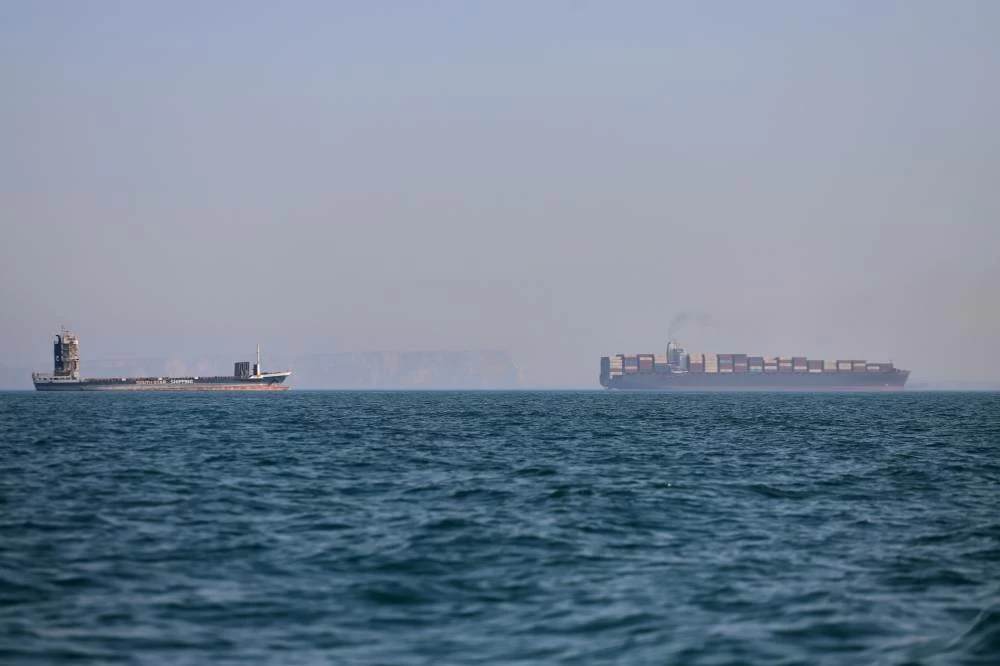
reutersreuters+1reutersA dual blow to Middle Eastern energy infrastructure is squeezing global oil supply, with Saudi Arabia's East-West Pipeline still offline days after a drone attack and shipping through the Strait of Hormuz falling to a trickle. Oil prices rose Tuesday, with Brent crude up about 2% and WTI following suit, as traders weighed the prospect of weeks without full access to two of the world's most critical export corridors.morningstar
The East-West Pipeline, which carries roughly 4 million barrels per day from Saudi Arabia's eastern oil fields to the Red Sea port of Yanbu, was shut down after a series of drone strikes launched from Iraqi territory struck the line on September 10–11. The pipeline served as Saudi Arabia's main bypass around the Strait of Hormuz, making its loss especially consequential given the concurrent chokepoint crisis.cnn+1
Two regional officials briefed on the damage told the Associated Press on Monday that repairs could take three to five weeks, including work at a major pumping facility, though partial capacity may be restored sooner. Reuters Thomson Reuters Corporation reported that without a restart, Saudi Arabia risks running out of export-ready oil stocks, potentially removing up to 4% of global supply.reuters+1
Strait of Hormuz transits fell to just four commodity vessels on Monday, down from 10 the previous day, according to Kpler data cited by Reuters. Before the U.S.-Iran war began on February 28, the waterway typically handled about 125 large commercial vessels daily, carrying roughly 20% of the world's crude oil and LNG supply. An oil tanker also reportedly exploded after hitting mines in the strait, according to Iran's Fars news agency.emirates247+1
Traffic through the Bab el-Mandeb strait, the other key chokepoint linking the Red Sea to the Indian Ocean, also declined to 21 commodity vessels on Monday from 28 the day before.reuters
The International Energy Agency warned last week that global oil supply in 2026 is now projected to average 100.7 million barrels per day, down 5.7 million barrels per day year-on-year — 1.3 million barrels per day lower than its previous estimate — with a full recovery deferred until 2027. The revised outlook reflects the persistent disruption to Gulf export flows and the absence of any diplomatic breakthrough to ease the conflict.iea+1
U.S. gasoline prices are already responding. AAA data showed South Carolina's average price jumped 16 cents in a single week to $3.91 per gallon, more than a dollar above the same period last year. With the pipeline repair timeline stretching into October and Hormuz effectively closed to normal commerce, the supply squeeze shows little sign of easing.greenvilleonline