Newsletter Subscribe
Enter your email address below and subscribe to our newsletter
[forminator_form id="25163"]

All voices matter
bloombergazernewsazernewsQatar is in discussions to purchase liquefied natural gas from US suppliers under long-term agreements, a move that underscores the depth of disruption the Iran war has inflicted on the world's LNG trade. State-owned QatarEnergy is interested in supplies from both operating and under-construction American export projects, Bloomberg reported on Thursday, citing people familiar with the private negotiations.bloomberg
The talks mark the first indication since the start of the conflict that Qatar — once responsible for roughly a fifth of global LNG supply — is looking outside the Middle East to expand its portfolio and maintain commitments to customers it can no longer serve through traditional Gulf routes.aa+1
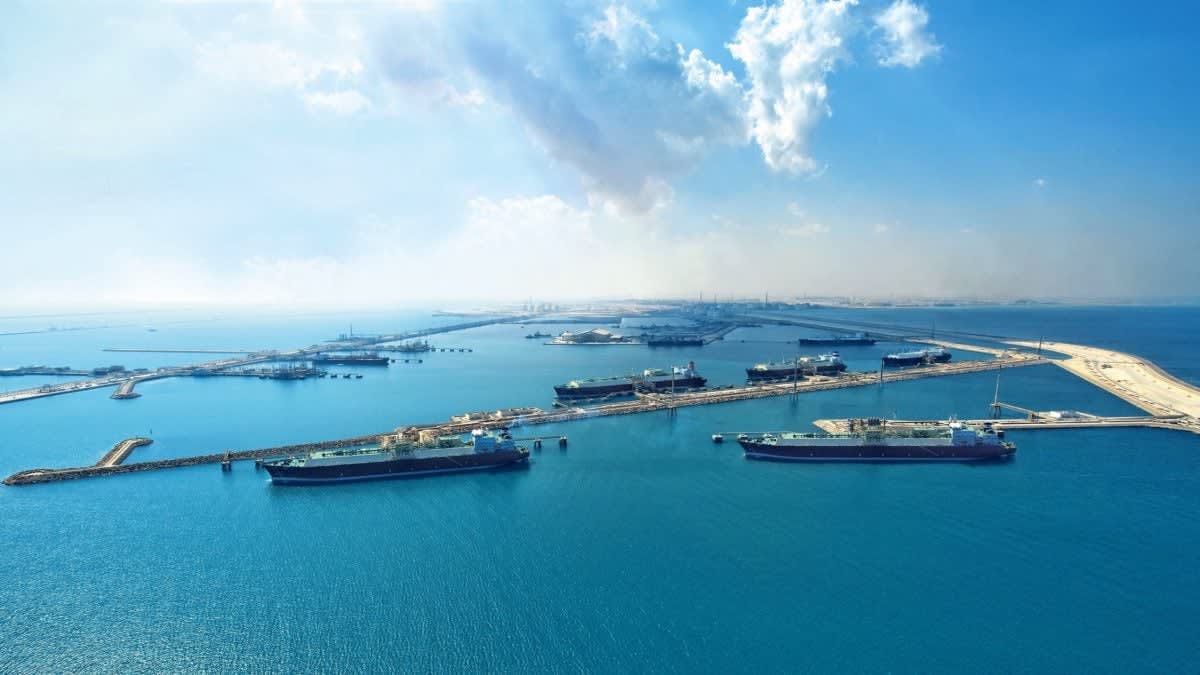
Qatar's Ras Laffan LNG export complex, described as the world's largest LNG plant, was damaged in an Iranian strike during the early weeks of the conflict that began in late February. Full repairs could take between three and five years, according to Anadolu Agency. Before the war, Qatar had been advancing plans to nearly double production at the facility by 2030.aa
QatarEnergy already holds an ownership stake in the Golden Pass LNG terminal in Texas, which began exports in April and has been ramping up production. Its trading arm, QatarEnergy Trading, has also expanded its capacity to market US-produced LNG through shorter-term deals. In July, Reuters reported that QatarEnergy had purchased 33 spot LNG cargoes from the United States for delivery to South Korea, Taiwan, Bangladesh, India and Japan.theedgesingapore+2
Qatar has all but halted shipments from its home base since one of its tankers was attacked in late July, according to Bloomberg. QatarEnergy extended force majeure on LNG deliveries for European and Asian customers through at least the end of September.bloomberg+1
The broader crisis in the Strait of Hormuz has reshaped global energy flows. LNG shipments through the waterway have declined by 92 percent since the conflict began, falling from 10.5 billion cubic feet per day to 800 million, while oil volumes dropped 77 percent. On September 9, Iran announced a new maritime "exclusion zone" in the Persian Gulf, further tightening passage through the strait.azernews
An average of only around 10 vessels a day passed through the strait in the 10 days to September 8, the lowest level since May, according to data from Kpler. The European Union is entering the winter season with gas storage at 65.6 percent — the lowest level for this period since 2011.azernews
The disruption has sent ripples across Asia and Europe. India received only 60 percent of its contracted Persian Gulf volumes between March and July, forcing importers to turn to US markets with delivery times stretching to more than 45 days each way. In China, petrochemical companies have scaled back production to reduce fuel consumption, while Indonesia's president visited Russia in April to discuss diversifying energy imports.azernews
With no end to the war in sight, Qatar's pivot from the world's top LNG exporter to an active buyer of American gas captures the extent to which the conflict has upended a market that took decades to build.