Newsletter Subscribe
Enter your email address below and subscribe to our newsletter
[forminator_form id="25163"]

All voices matter
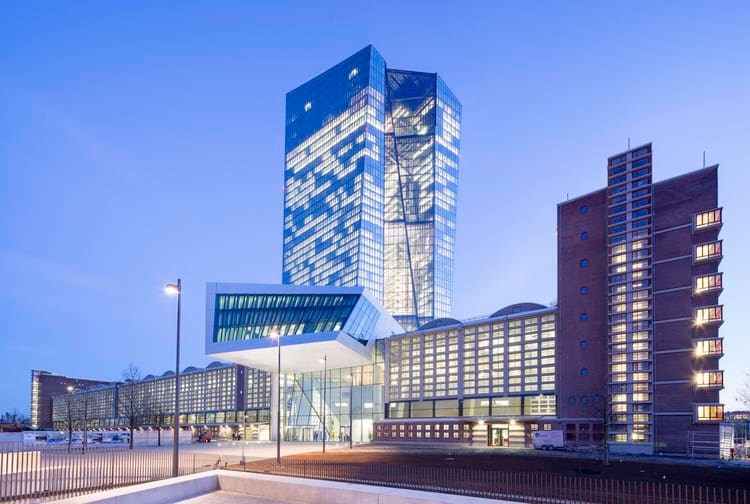
english.newsenglish.newsbusinesstimesEurozone inflation rose to 3.3% in August, up from 2.9% in July, as surging energy costs driven by Middle East tensions complicated the European Central Bank's policy outlook ahead of its meeting next week.
Preliminary figures released by Eurostat on Tuesday showed energy prices climbed 14.3% year-on-year in August, accelerating sharply from a 10.3% increase in July and recording the fastest growth among the main inflation components. The jump came as international oil prices hit six-week highs amid escalating tensions in the Middle East and concerns over possible disruptions to energy shipments through the Strait of Hormuz. Brent crude briefly rose above $97 a barrel before easing to around $95, while West Texas Intermediate crude traded near $92.english.news
Europe's gas market faces mounting pressure as well. EU gas storage facilities stand at about 65.6% full, the lowest level for this time of year since records began roughly 15 years ago, and European gas prices have risen more than 75% over the past two months, reaching their highest level in over three years, according to the Financial Times London Stock Exchange Group plc as cited by Xinhua.english.news
The impact is spreading through the economy. ECB economist Kristina Barauskaite Griskeviciene said rising energy prices had become an important driver of the renewed inflation increase, closely linked to the Middle East conflict and shipping disruptions through the Strait of Hormuz. Alain Durre, chief European economist at Natixis, warned that increases in diesel, gasoline, and food prices would directly affect consumers, and that persistent pressures could push up short-term inflation expectations and add to wage demands. Energy-intensive industries such as steel and chemicals are particularly exposed to higher production and transportation costs.english.news
European equity markets reflected the unease. The Stoxx 600 ended the week down 0.8%, weighed by inflation concerns and rising crude prices, though a late-session rally on Friday — led by Volkswagen after it struck a turnaround deal with unions — helped the index close marginally higher on the day.businesstimes
The renewed inflation pressure arrives just days before the ECB's September policy meeting. A Reuters poll released Thursday showed economists widely expect a 25-basis-point rate hike, while JPMorgan and BNP Paribas said they anticipate another 25-basis-point increase in December as elevated energy prices strengthen the case for further tightening. Carsten Brzeski, global head of macro at ING Research, said the ECB faces "a difficult balancing act between containing inflation and avoiding a recession in the event of an energy supply shock".businesstimes+1