Newsletter Subscribe
Enter your email address below and subscribe to our newsletter
[forminator_form id="25163"]

All voices matter
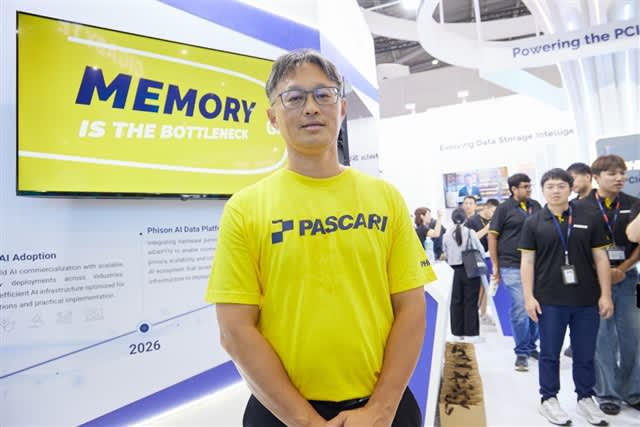
streamlinefeedreuterssokatec+1The global memory chip shortage is showing no signs of easing, as industry leaders warn that insatiable demand from artificial intelligence infrastructure has locked up supply for years to come. SK Hynix CEO Kwak Noh-jung said on Aug. 27 that the memory shortage could persist through "the end of 2030," while Phison Electronics CEO Khein-Seng Pua has warned that NAND flash capacity is effectively sold out through 2026, with shortfalls expected to deepen into 2027.streamlinefeed+2
The crisis is rooted in a structural shift in how memory is manufactured and allocated. Hyperscale cloud operators building out AI data centers are consuming a growing share of global DRAM and NAND output, diverting production away from consumer electronics. Memory manufacturers Samsung, SK Hynix, and Micron Technology — the only volume producers of high-bandwidth memory — have signed multi-year supply agreements with AI customers at premium prices, leaving smartphones, PCs, and other electronics competing for shrinking allocations.finance.yahoo+1
Kwak made the remarks after breaking ground on SK Hynix's first U.S. advanced packaging facility in West Lafayette, Indiana, a project valued at more than $4 billion. The cleanroom is scheduled to begin operations in the second half of 2028, with mass production of next-generation HBM4E chips targeted for the third quarter of 2029, according to Reuters.businesstimes+1
The shortage is already disrupting companies further down the supply chain. DigiTimes reported that Sonix Technology flagged memory shortfalls as a constraint on its imaging-product shipments, even as the company expects broader consumer IC and MCU sales to grow in the second half of 2026. NAND flash contract prices have surged sharply throughout the year, with TrendForce projecting a further 10 to 15 percent quarterly increase in the third quarter of 2026, on top of steep gains earlier in the year.digitimes+2
Synopsys CEO Sassine Ghazi warned earlier this year that the chip crunch could persist through 2026 and 2027 because memory manufacturers need at least two years to bring new capacity online. IDC has similarly projected that meaningful supply relief will not arrive until new fab capacity comes online in 2027 or 2028.idc+2
"No one can know exactly when the shortage will end," Kwak told reporters in Indiana. "However, there are currently no clear signs of a downturn."chosun