Newsletter Subscribe
Enter your email address below and subscribe to our newsletter
[forminator_form id="25163"]

All voices matter
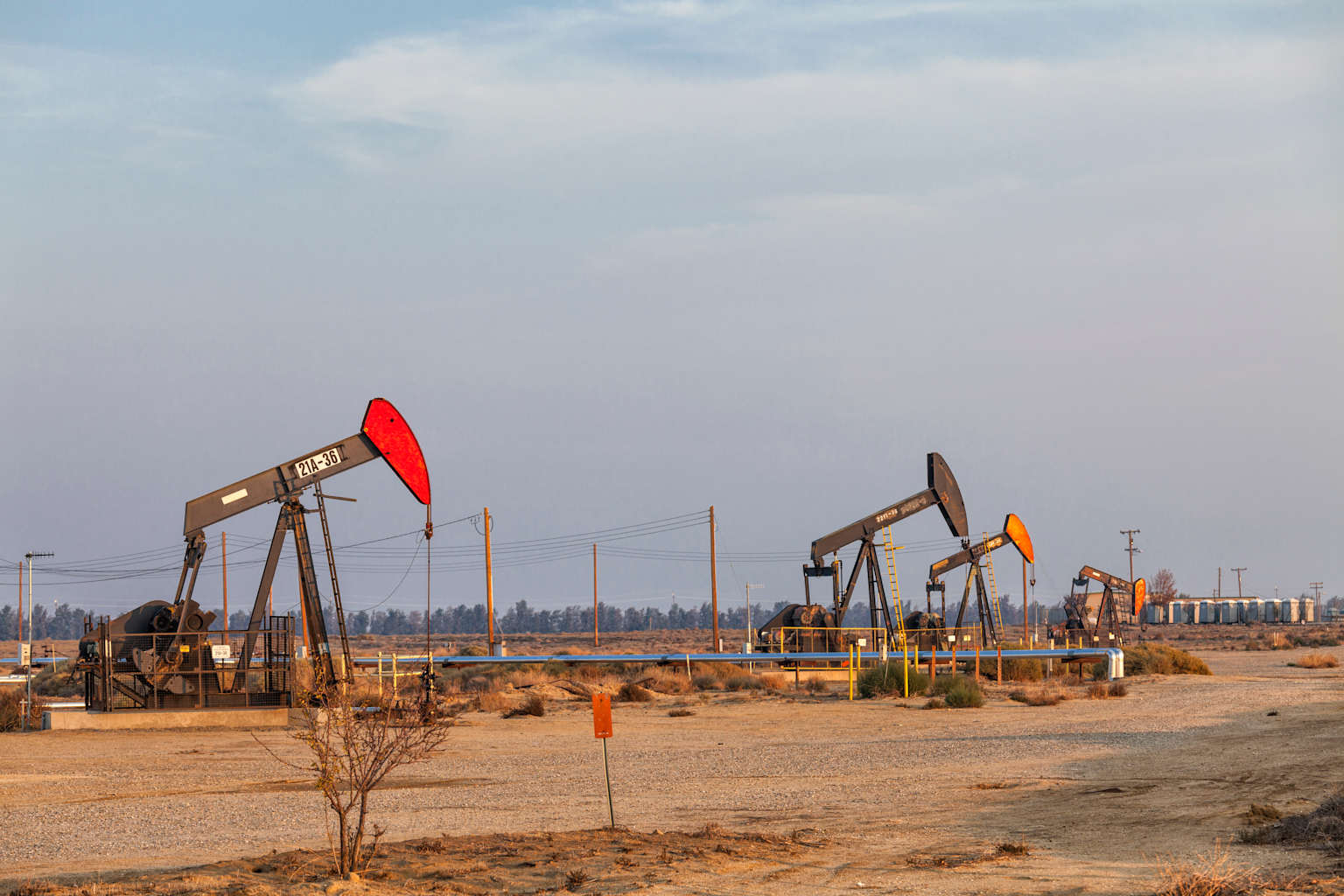
cnbc+1aljazeerareuters+1Crude oil prices rebounded on Thursday, August 27, after the White House confirmed that no negotiations are taking place with Iran, reversing several sessions of losses driven by hopes of a diplomatic breakthrough that could restore normal shipping through the Strait of Hormuz. Brent crude climbed 2.2% to $89.79 a barrel, while WTI United States Oil Fund gained 1.7%, as markets repriced the geopolitical risk premium on multiple fronts.cnbc
The recovery came as traders confronted a convergence of supply threats: stalled US-Iran diplomacy, a major Ukrainian drone strike on Russian refining infrastructure, and escalating UK-Russia tensions that added further uncertainty to global energy flows.
White House press secretary Karoline Leavitt stated that "no negotiations are happening right now, and this will continue until the president feels that maybe they come to the table in a meaningful way. We have not seen that yet." The remarks dashed hopes that had been building around diplomatic efforts involving Iran, Oman, and Qatar to reopen the Strait of Hormuz, through which roughly one-fifth of global oil and LNG supplies transit.tradingview+1
Traffic through the waterway remains far below normal. According to Al Jazeera Alphabet Inc. , from July 15 to August 23, an average of about five vessels per day passed through the strait, representing an almost 95% decrease from pre-war traffic levels. As of August 25, only five commodity vessels transited the waterway compared with a 10-day average of 15, according to Reuters Thomson Reuters Corporation .aljazeera+1
BNY warned that natural gas markets face particular risks from a prolonged Hormuz disruption, given that Qatar — the world's largest LNG exporter — ships most of its output through the strait.bitcoinworld
Adding to supply concerns, Russia's NORSI refinery — the country's fourth-largest by capacity — suspended crude processing on August 26 after a Ukrainian drone strike damaged several processing units and infrastructure. The refinery, owned by Lukoil, can process about 15 million metric tons of crude per year.ua+1
All of Lukoil's major Russian refineries are now offline. The Perm refinery halted after an August 21 drone attack, while the Volgograd refinery suspended operations on July 31. The International Energy Agency projects global oil supply will fall by 4.3 million barrels per day in 2026, with growth from the Americas only partly offsetting losses in the Middle East and Russia.iea+1
U.S. commercial crude inventories rose by just 95,000 barrels last week, well below expectations for a 597,000-barrel build, suggesting the domestic market is not experiencing oversupply despite recent price volatility. The Energy Select Sector SPDR Fund and VanEck Oil Services ETF are among the energy-focused funds drawing investor attention as supply risks accumulate across multiple geographies.tradingview
With no diplomatic off-ramp in sight for either the Hormuz standoff or the Russia-Ukraine conflict's energy dimensions, the market appears poised to maintain elevated risk premiums in the near term.