Newsletter Subscribe
Enter your email address below and subscribe to our newsletter
[forminator_form id="25163"]

All voices matter
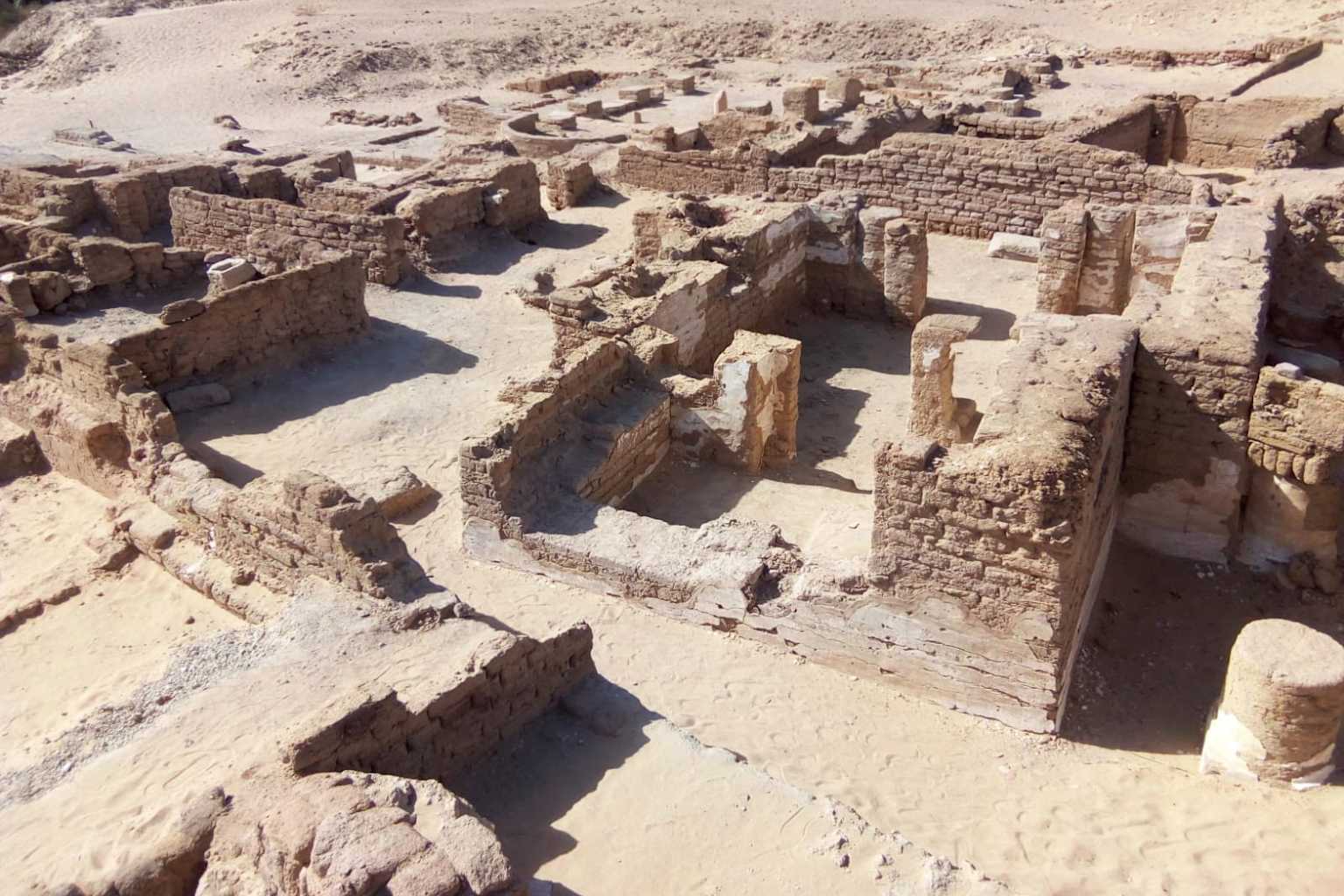
archaeology+1.english.ahram+1.archaeology+2.english.ahram+1.archaeology+1.Egyptian archaeologists have uncovered a 2,000-year-old Coptic Christian city in the Kharga Oasis of Egypt's Western Desert, marking one of the most significant discoveries in the region in recent years. The find, announced in July 2025 by Egypt's Ministry of Tourism and Antiquities, provides valuable insights into the transformation from paganism to Christianity during the early Coptic period.
The discovery at Ain al-Kharab, conducted by the Supreme Council of Antiquities under secretary-general Mohamed Ismail Khaled, reveals extensive remains of what appears to have been the main residential center of Kharga Oasis during the 3rd to 7th centuries CE. The excavation demonstrates how this remote desert location evolved from a polytheistic settlement during the Ptolemaic and early Roman periods into a thriving center of early Christian life.archaeology+3
Among the most remarkable discoveries is a mural depicting Jesus Christ healing a sick person, representing rare early Christian iconography in Egypt's desert oases. The excavation team, led by Siham Ismail, Director General of Antiquities in Kharga, uncovered two significant churches alongside residential structures and burial sites.archaeology+2
The larger church follows a basilica design with a central hall flanked by two aisles, separated by three rows of square columns, with service buildings positioned to its south. The second, smaller rectangular church features remnants of seven exterior columns and retains visible Coptic inscriptions on its interior walls, with additional service structures discovered on its western side.english.ahram+2
The residential areas reveal sophisticated urban planning, with mudbrick homes featuring plastered walls and dedicated storage spaces containing large clay jars for preserving grain and food. Archaeologists also found domestic ovens, pottery fragments, ostraca (pottery shards used for writing), glass and stone artifacts, and numerous burial remains.archaeology+3
According to Tourism and Antiquities Minister Sherif Fathy, the discovery "reflects the richness and diversity of Egyptian civilisation during one of its most transformative periods" and "enhances our understanding of religious transition in Egypt". The findings demonstrate the values of tolerance and cultural diversity that characterized Egyptian heritage during this pivotal era.english.ahram
The site's archaeological significance extends beyond its Christian heritage, revealing continuous occupation across multiple historical periods that demonstrates the strategic importance of the Kharga Oasis. Evidence indicates that Roman-era buildings were systematically adapted and repurposed during the early Coptic period, and later reused again during the Islamic era, showcasing the region's enduring role as a hub of cultural continuity and transformation.archaeology+1
According to Mohamed Ismail Khaled, Secretary-General of the Supreme Council of Antiquities, "The findings confirm the Kharga Oasis's importance as a religious and social center across various historical periods, especially at the beginning of the Coptic era." This discovery adds crucial evidence to ongoing research on Egypt's western oases, reinforcing their status as historical treasures that illuminate the country's complex religious and cultural narrative spanning millennia. The layered occupation patterns provide archaeologists with a rare opportunity to study how communities adapted existing infrastructure to serve evolving religious and social needs across successive civilizations.egyptianstreets+1