Newsletter Subscribe
Enter your email address below and subscribe to our newsletter
[forminator_form id="25163"]

All voices matter
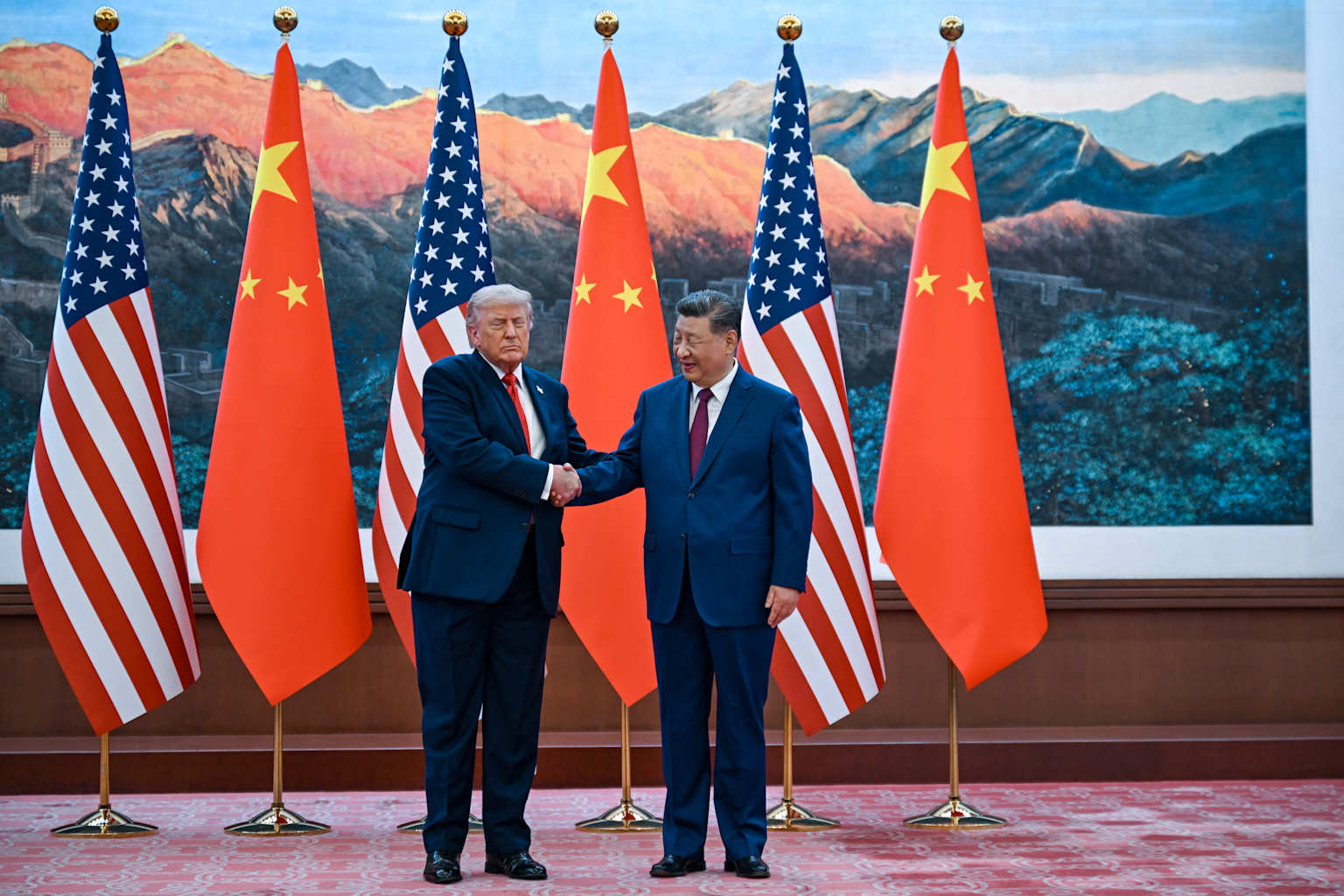
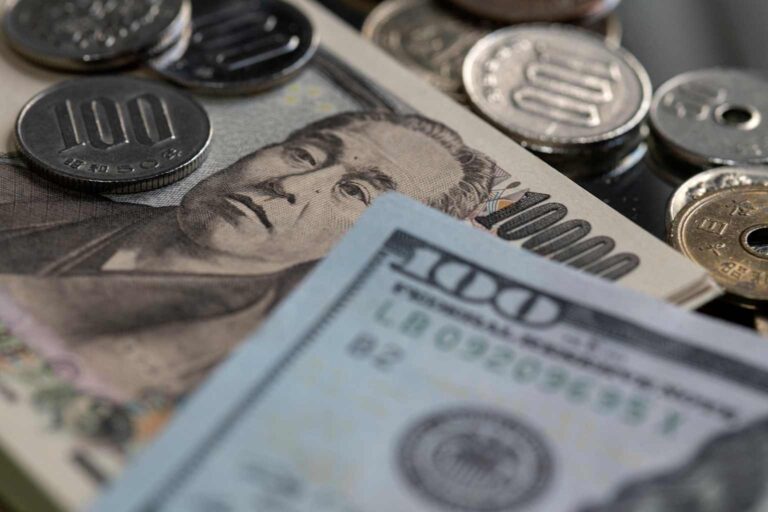
nstnst+1nstChina's yuan climbed to a 3.5-year high against the dollar on Tuesday as the People's Bank of China set a firmer daily fixing for the 10th consecutive session, the longest such streak since late 2023, in what analysts describe as a deliberate effort to defuse currency tensions before this week's summit between Presidents Xi Jinping and Donald Trump.nst
The onshore yuan advanced to 6.6936 per dollar at one point, its strongest level since January 2023, before settling around 6.6969. The PBOC set the midpoint rate at 6.7459 per dollar, its firmest since early February 2023. The currency has now gained roughly 4.4% against the dollar this year, making it one of Asia's best performers.thestar+1
Xi is set to visit Washington for a state visit from September 23 to 25, with the centerpiece meeting with Trump scheduled for September 24 at the White House. The summit's main focus is whether the leaders will signal an extension of a trade truce struck last year that averted a shock to the global economy, with the agreement set to expire on November 10.asiatimes+3
"Ahead of an important Xi-Trump summit, the recent string of stronger fixes could be a show of goodwill and also serves as an anchor for regional currencies in a somewhat volatile environment," Maybank analysts said in a note. The move essentially takes exchange rates off the discussion table, according to Asia Times columnist William Pesek.nst+1
Despite the recent rally, analysts caution that the pace of gains may slow. The wide yield gap between China and the United States, hovering near record levels, is expected to act as a drag on further appreciation.nst
"Beyond the meeting, wide US-China yield differentials and soft domestic fundamentals should still limit the pace of RMB appreciation," said Christopher Wong, FX strategist at OCBC Bank Oversea-Chinese Banking Corporation Limited .nst
The yuan's strength comes as Beijing faces criticism over industrial subsidies and overcapacity in sectors like electric vehicles and batteries. Economist Brad Setser at the Council on Foreign Relations has argued the yuan remains roughly 30% undervalued, citing an IMF estimate of 21% undervaluation.asiatimes
Still, U.S. Treasury Secretary Scott Bessent offered positive comments about the trade relationship on Monday and announced that senior officials from both countries would meet again in Shenzhen in roughly two months to discuss AI safety. The summit, said Edgard Kagan of the Center for Strategic and International Studies, is less about breakthroughs than about avoiding escalation: "Neither of them has an interest in — at least at this point — an escalation on trade issues".nst+1