Newsletter Subscribe
Enter your email address below and subscribe to our newsletter
[forminator_form id="25163"]

All voices matter
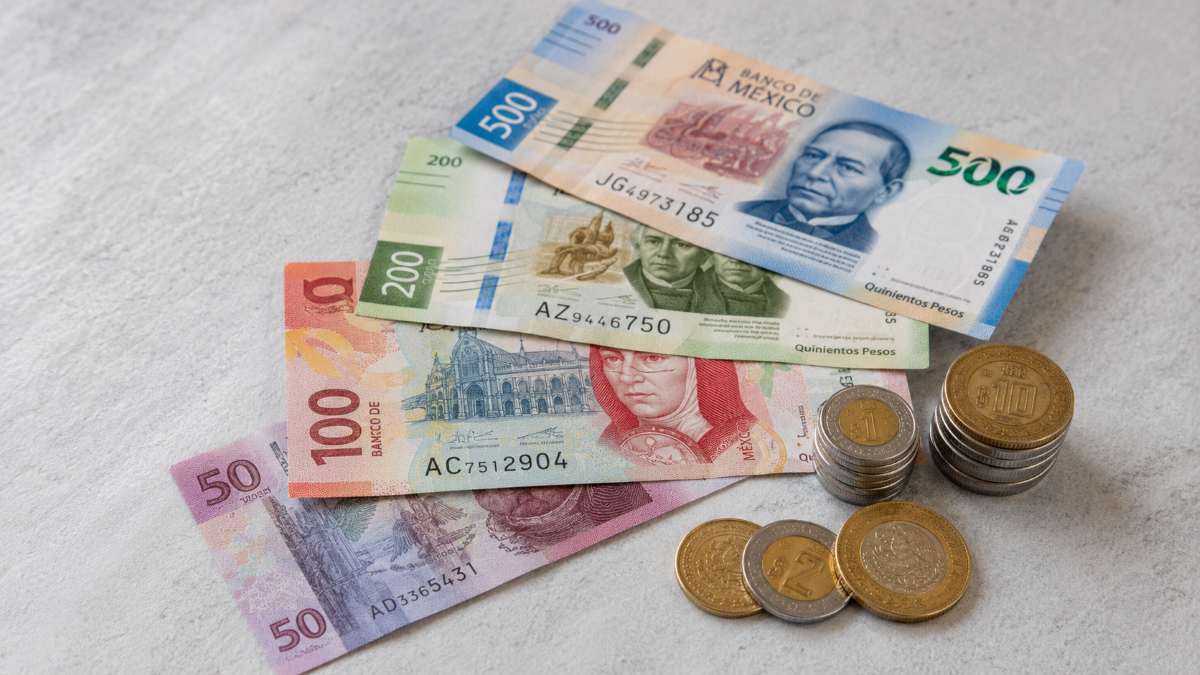
reuters+1eciks+1coinpaper+1Three currencies are rallying against the dollar at once, but for very different reasons. The Japanese yen posted its strongest weekly gain since July in early September 2026, rising roughly 2% as markets priced in a near-certain Bank of Japan rate hike later this month. Mexico's "super peso" slipped below 17 per dollar to levels not seen since May 2024, while the Colombian peso strengthened about 2.7% to around 3,136 per dollar.coinpaper
BOJ Governor Kazuo Ueda told reporters on September 2 after a G-20 meeting in Asheville, North Carolina, that the central bank needs to "pay greater attention than before to upside risks" in conducting monetary policy. Markets are now pricing in a 97% probability of a 25-basis-point rate hike at the BOJ's Bank of Japan September 17–18 meeting, which would raise the policy rate to 1.25%. Reuters reported in August that the BOJ was eyeing a September hike and considering a faster pace of tightening. Japanese two-year bond yields have climbed to their highest levels since 1995, and the yen's rally is reverberating across global carry trades, where investors have long borrowed cheaply in yen to deploy capital into higher-yielding assets.reuters+4
USD/MXN fell to 16.887 on September 4, its lowest level of 2026. The peso has gained nearly 20% against the dollar since January 2025, defying forecasts that had called for weakness toward 21 per dollar. Banco de México's benchmark rate of 6.50% sits roughly 2.75 percentage points above the Federal Reserve's target range of 3.50% to 3.75%, sustaining carry-trade demand. Record foreign direct investment of $23.6 billion in the first quarter of 2026, driven by nearshoring, has further underpinned the currency. But the rally is not without cost — exporters, who send more than 80% of Mexico's goods to the United States, are reporting margin pressure as dollar-denominated revenues lose value when converted back to pesos.eciks+2
The Colombian peso also gained sharply, with USD/COP falling to around 3,136 on September 4. Colombia's central bank is holding its benchmark rate at 12%, one of the highest among major emerging markets, making the peso attractive to carry-trade investors. Rising oil prices, with Brent trading above $90 amid renewed Middle East tensions, have added support given petroleum's role as a key Colombian export. A more supportive government stance toward oil and mining investment has further improved sentiment. Taken together, the three currencies illustrate how diverging central bank policies — tightening in Japan, elevated rates in Latin America, and a Federal Reserve holding steady — are reshaping global capital flows heading into the fall.tradingeconomics+2