Newsletter Subscribe
Enter your email address below and subscribe to our newsletter
[forminator_form id="25163"]

All voices matter
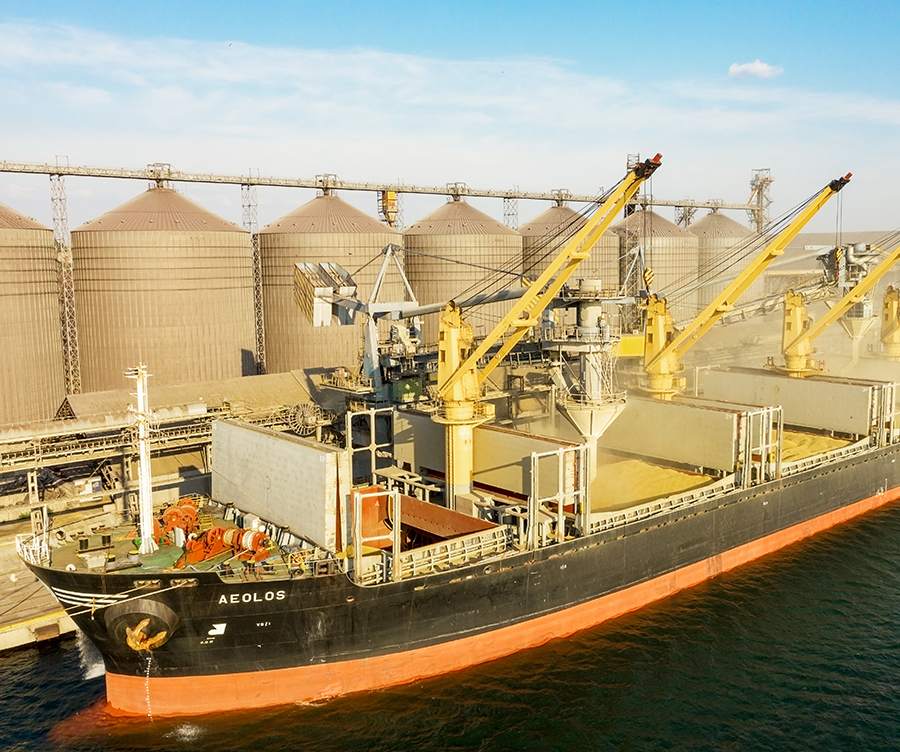
tradingkey+1americanagnetwork+1ukragroconsultEscalating attacks on Black Sea ports and commercial vessels are severely disrupting grain shipments from Ukraine and Russia, driving wheat futures sharply higher and raising alarms over global food security as the autumn export season approaches.
Wheat prices rose more than 3.5% on August 12, extending a rally fueled by tightening supply expectations after the USDA's August World Agricultural Supply and Demand Estimates report coincided with worsening Black Sea logistics. Wheat is now up nearly 29% from a year ago.tradingkey+1
Ukraine's Agriculture Ministry estimates the country could export approximately 29.6 million tons of agricultural products during the 2026-27 marketing year, down 54% from an earlier forecast of 64.4 million tons, according to NAFB News Service reporting. Wheat exports alone could fall 53% to 8.3 million tons.americanagnetwork+1
Ukraine reported 67 strikes on port facilities and dozens of attacks on vessels during July. The country has lost roughly a third of its Black Sea port handling capacity, with monthly throughput dropping from around 6 million tons to 4 million tons, according to traders and agricultural groups cited by Turkey's Hürriyet Daily News.hurriyetdailynews+1
Some shipowners temporarily suspended calls at Ukrainian ports in late July following deadly strikes on vessels and infrastructure. Russia's major grain terminals at the Taman port have also been attacked, limiting operations along the Black Sea coast, Anadolu Agency reported.aa+1
Turkish businesses are calling for a new safe shipping corridor modeled on the Black Sea Grain Initiative that operated in 2022-2023. İsmail Uzel, head of the Turkish-Ukrainian Business Council, warned that prolonged disruptions "could cause serious problems for grain supplies to the global market".ukragroconsult
Turkish Foreign Minister Hakan Fidan called on Russia and Ukraine to suspend attacks in the Black Sea. "The conflict has spread across the whole Black Sea," Fidan told Anadolu Agency on August 8, saying strikes were "increasingly affecting commercial shipping without distinction".hurriyetdailynews
Countries dependent on Black Sea grain, including Egypt, could be forced to turn to more distant suppliers in the Americas and Australia, adding transport costs. In Kenya, the Cereal Millers Association warned that rising global wheat prices—up 5.8% in July according to the FAO—combined with domestic bottlenecks could push up bread and flour prices for consumers.eastleighvoice+1
Reuters reported on August 5 that the surge in Black Sea attacks was turning the region into a new chokepoint for global commodity flows. The Wall Street Journal News Corp described the situation as squeezing "another global chokepoint," noting that Ukraine executed a missile and drone strike on the Russian Black Sea port city of Novorossiysk on Tuesday evening.wsj+1