


Newsletter Subscribe
Enter your email address below and subscribe to our newsletter
[forminator_form id="25163"]

All voices matter
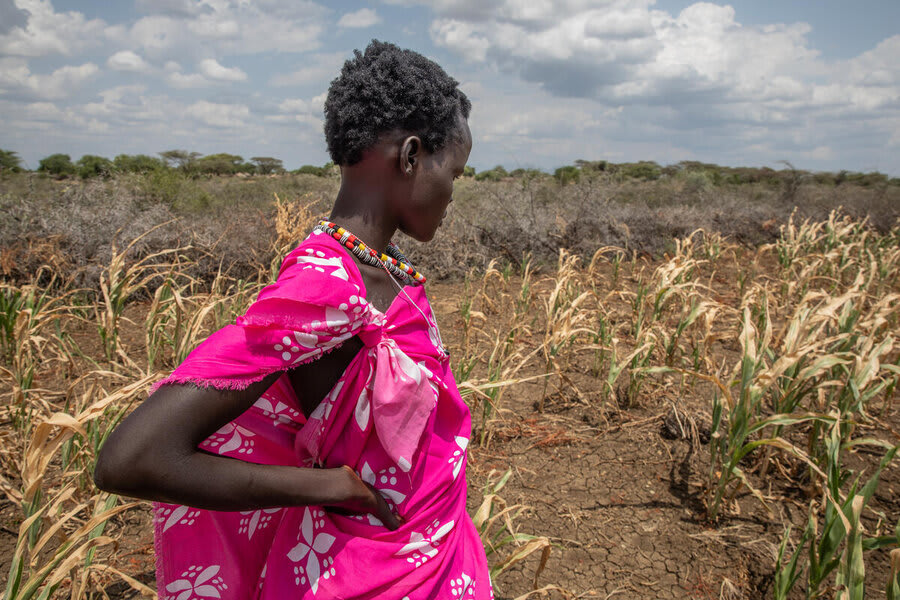
globalvoices.cpc.ncep.noaa.globalvoices+1.An El Niño that U.S. forecasters say could become the strongest on record is still building in the Pacific. Aid officials and analysts warn it could cut harvests from Latin America to India and push food prices higher.
In its September outlook, NOAA's Climate Prediction Center said El Niño "is strengthening, with a greater than 90% chance of a very strong event" this fall and winter. It put the chance of a historic event in October–December, stronger than any since 1950, at 75%. Sea surface temperatures in the eastern equatorial Pacific had risen more than 3.0°C above normal. The center's next update is due on Thursday, Oct. 8. NPR reported that forecasters expect the event to "far outpace" any in recorded history, even as NOAA scales back its field research.cpc.ncep.noaa+1
Lena Savelli, regional director of the World Food Programme, said she expects droughts or extreme rainfall to "reduce the yields of key crops such as corn, beans, rice, and even cocoa and coffee." That would shrink supply and raise prices in markets and stores. "This means eating more expensive food with less variety, especially for those who already have low incomes," she told the regional outlet Connectas.globalvoices
Savelli said Latin America and the Caribbean already have the world's most expensive healthy diet, at USD 4.91 per person per day. WFP monitoring shows several countries have declared emergencies. The World Meteorological Organization has named the Central American Dry Corridor, the Caribbean and northern South America as the areas at highest risk of drought and heat. Ecuador and Peru could see flooding.globalvoices
In Asia, El Niño typically brings dry weather. Reuters reported in August that the dryness had already disrupted planting in India, Southeast Asia and Australia, while the Iran war added to fertilizer and diesel shortages. One industry estimate puts India's rice crop at about 144 million tonnes, down from a record 154 million. It is not an official government forecast. India accounts for about 40% of global rice exports, so any export restrictions would be felt well beyond its borders.opindia+1
India's stocks offer a cushion. Government rice inventories, including unmilled paddy, stood at 59.6 million tonnes in September, against a buffer requirement of 10.3 million. Reuters reported that near-record global inventories and more output from exporters such as Brazil and Russia have made the food system more resilient than in past super El Niños.reuters+1
Analysts warn that the worst may still be ahead. "Expectations are that it will be one of the strongest on record, or the strongest the world has ever seen, and that means the big impact of dryness has yet to come," meteorologist Chris Hyde of SkyFi told Reuters.reuters


