Newsletter Subscribe
Enter your email address below and subscribe to our newsletter
[forminator_form id="25163"]

All voices matter
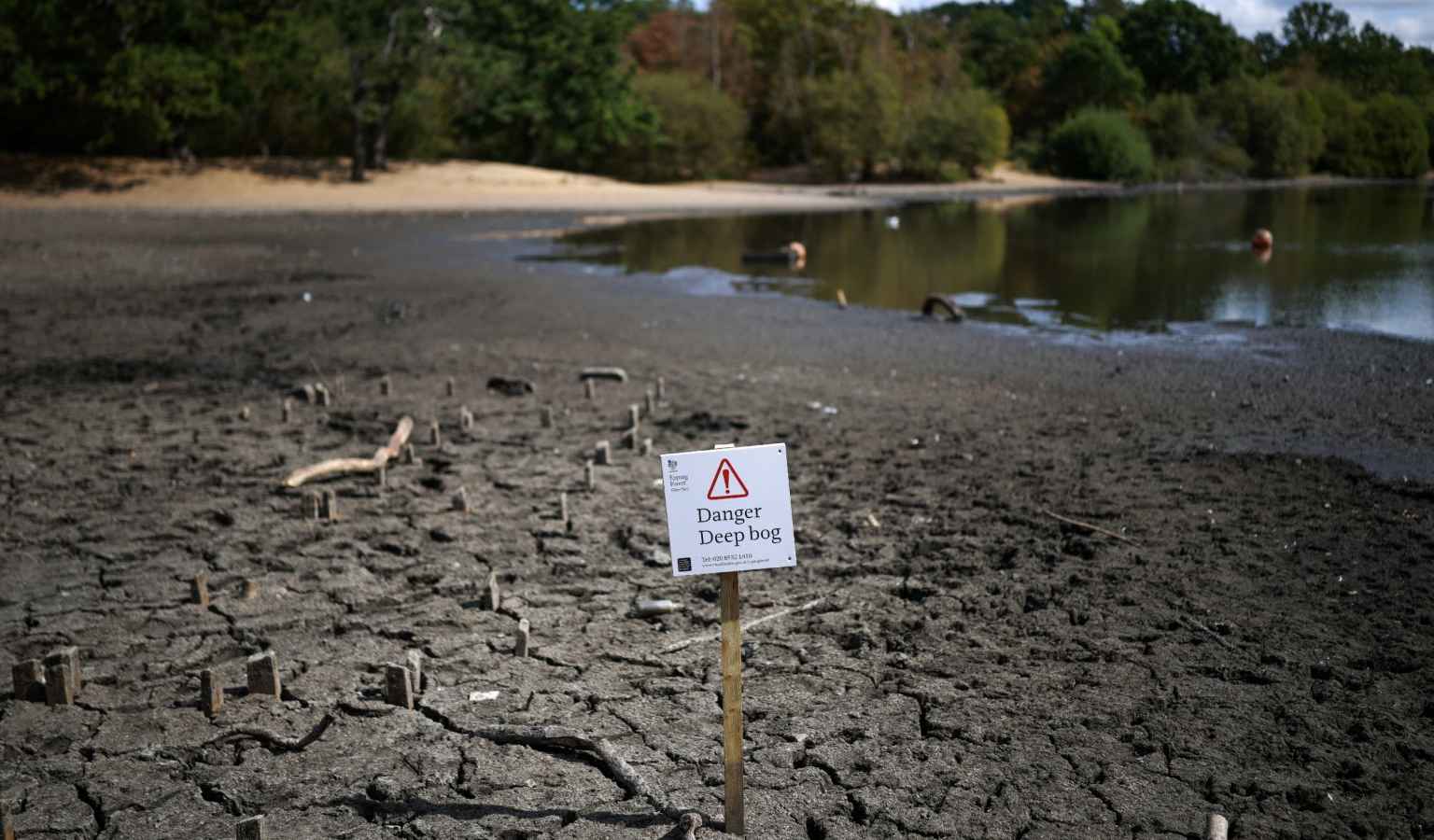
eu-space.europa+1science.nasadagens+1Western Europe has endured its warmest summer on record, with the Copernicus Climate Change Service confirming that the June-to-August period in 2026 surpassed the long-standing record set in 2003. The average surface air temperature across the region reached 21.69°C, a full 2.54°C above the 1991–2020 average, according to the agency's latest monthly Climate Bulletin published on September 12.eu-space.europa
The record was built on a succession of exceptionally early, persistent, and intense heatwaves that swept across the continent beginning in late May. June alone was the hottest ever recorded for western Europe, with temperatures 3.05°C above the seasonal average, according to the World Meteorological Organization. July followed as the second-warmest on record for the region, while France logged its hottest July ever, with an anomaly of 3.8°C. August 2026 then tied with July 2023 as the hottest month in recorded history globally, according to Copernicus. Preliminary reports cited by NASA suggest the heat may have been associated with 10,000 excess deaths across the UK, France, Germany, and Belgium.eu-space.europa+5
The relentless heat is pushing European mayors to look beyond their borders for solutions. Cities including Paris and Milan are borrowing strategies from Phoenix, Arizona, which has spent decades managing extreme temperatures through a dedicated heat response office, shade requirements covering three-quarters of busy pedestrian zones, and more than 300 kilometers of streets coated with cooling treatments. Paris has mapped over 1,400 cooling spots so every resident lives within a seven-minute walk of relief, while Milan aims to cap local temperature rises at 2°C by 2050 through tree planting and shaded plazas. Through global networks like C40 Cities, nearly 100 metropolises are now sharing such strategies.dagens
The record summer has also reached France's Champagne region, where authorities temporarily raised the maximum permitted alcohol content from 13% to 15% — a historic first, as reported by France 24. Extreme heat accelerated sugar buildup in grapes, forcing the earliest harvest ever recorded in Champagne. The Comité Champagne told the BBC that only a small number of wines are expected to exceed the usual cap, and the measure applies only to the 2026 vintage. The bottles will not reach consumers until at least 2028 due to mandatory aging requirements.france24+1
"The Mediterranean climate is shifting north," Champagne producer Stéphane Vignon told the Times. "This marks the beginning of a new cycle". The Comité Champagne has warned that such unusual harvests could become routine within 10 to 15 years.bbc+2