Newsletter Subscribe
Enter your email address below and subscribe to our newsletter
[forminator_form id="25163"]

All voices matter
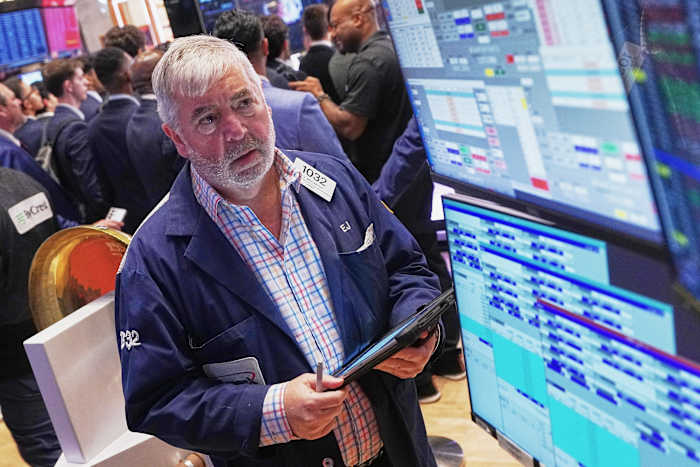
wslswavy+1morningstar+1Wall Street pointed higher on Monday as semiconductor stocks swung back upward after a punishing stretch that wiped trillions of dollars from the sector. S&P 500 futures rose 0.6% and Nasdaq futures jumped 1.1% in early trading, with Nvidia gaining 1.6% and other chipmakers following suit.wsls+1
The attempted rebound comes after the Philadelphia Semiconductor Index declined nearly 21% through mid-July, according to MarketWatch, following a record-setting rally earlier in the year. AMD Advanced Micro Devices, Inc. drew attention after Rosenblatt Securities raised its price target on the stock to $665 from $490 and maintained a Buy rating, citing expectations for AMD's EPYC server business.morningstar+2
The recovery in U.S. futures contrasted sharply with continued carnage in Asian markets. South Korea's Kospi fell 4.9% on Monday to 6,490.97, extending its decline to more than 30% from its June peak of 9,386, according to the Associated Press. Samsung Electronics lost 4.4% and SK Hynix fell 3.3%. Japan's markets were closed Monday for a holiday, but the Nikkei 225 had plunged 4.03% on Friday to close at 64,141, sliding into correction territory amid a global rout in chipmakers, Reuters reported.tradingeconomics+2
The Kospi, which remains up more than 58% in 2026 despite recent losses, has been battered by a cascade of selling in leveraged single-stock ETFs tied to Samsung and SK Hynix that amplified the downturn. South Korea's financial regulator has signaled forthcoming measures to address the leveraged products.economictimes+1
Underlying the selloff is growing unease over whether the enormous sums being poured into artificial intelligence infrastructure will generate adequate returns. Chinese startup Moonshot AI's release of Kimi K3 on Friday — a 2.8-trillion-parameter open-weight model the company described as "the world's first open 3T-class system" — added fresh pressure. Independent assessments indicated K3 performs comparably to leading U.S. models on some benchmarks, though CNBC reported it still trails Anthropic's Claude Fable 5 and OpenAI's GPT 5.6 Sol on overall performance.forbes+2
The model's capabilities echoed the market shock caused by DeepSeek earlier in the year, raising questions about whether massive capital expenditure by U.S. hyperscalers — projected at $650 billion this year, a 67% increase — can be sustained. Morgan Stanley has characterized the recent decline as a mid-cycle adjustment rather than a peak, but with the Kospi triggering repeated trading curbs and the SOX index exhibiting volatility not seen since the dot-com era, investors remain on edge.forbes+1