Newsletter Subscribe
Enter your email address below and subscribe to our newsletter
[forminator_form id="25163"]

All voices matter
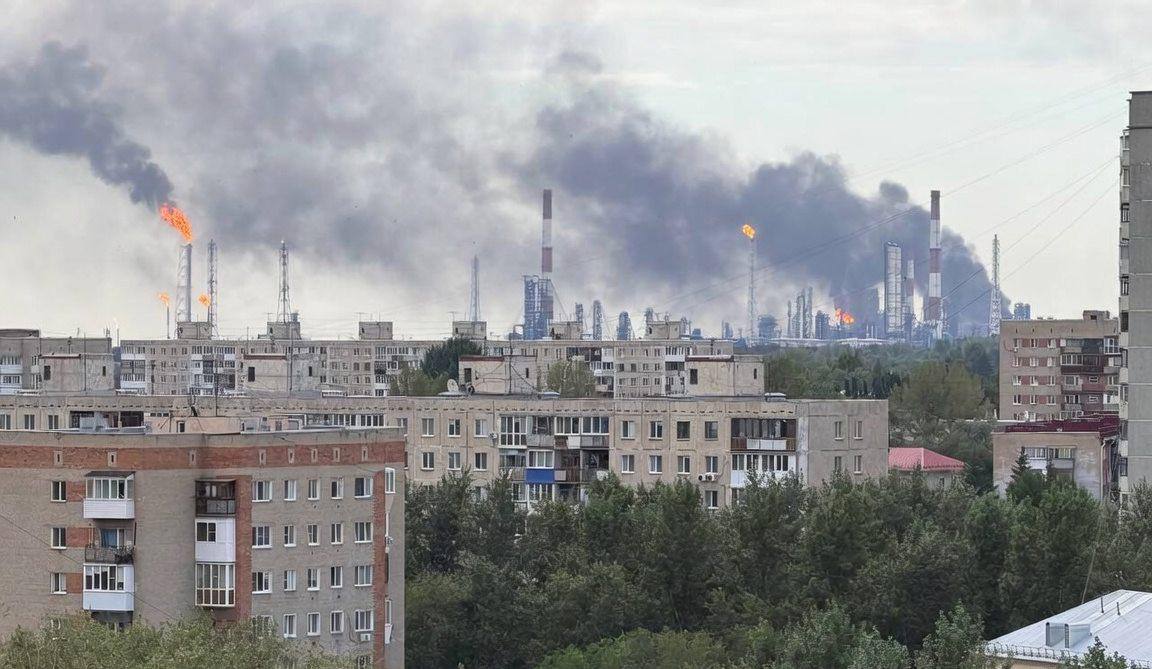
mezha+1meduzafacebook+1Ukrainian drones struck the Omsk Oil Refinery on Sunday night, marking the first confirmed attack on Russia's largest refining facility and extending Kyiv's deep-strike campaign to a target more than 2,500 kilometers from Ukrainian-held territory. The head of Ukraine's Center for Countering Disinformation, Andriy Kovalenko, confirmed the refinery had been damaged and said the plant would suspend operations.mezha+1
The Omsk refinery, owned by Gazprom Neft, has a processing capacity exceeding 20 million metric tons of crude oil per year. Until this weekend, it was one of only two major Russian refineries — along with the Angarsk Petrochemical Company in Irkutsk — that had avoided Ukrainian strikes.militarnyi+1
The Omsk strike was part of a broader overnight campaign on July 5-6 in which Russia's defense ministry reported intercepting 519 Ukrainian drones across more than 20 regions and occupied Crimea. Ukrainian forces also struck oil infrastructure in St. Petersburg, Baltic ports in the Leningrad region, and military targets, according to Ukraine's Center for Countering Disinformation.facebook+3
The campaign followed a similar large-scale attack days earlier on July 3, when nearly 500 drones targeted Russian territory, again striking oil facilities near St. Petersburg.themoscowtimes+1
The strike on the Omsk refinery compounds an already severe fuel crisis across Russia. By late June, some form of gasoline rationing had been reported in over half of Russia's regions. Reuters reported in June that the Moscow Oil Refinery would remain offline for at least six months after repeated Ukrainian drone attacks, while Russia's government has weighed banning diesel exports and importing fuel to address shortages.abcnews+1
According to Meduza, Ukrainian drones had struck nearly every major Russian refinery by late June, with only the Omsk and Angarsk facilities remaining untouched. That distinction has now ended. Ukrainian President Volodymyr Zelenskyy said in June that Ukraine's upgraded long-range drones can strike targets at distances exceeding 3,000 kilometers.reuters+1
Approximately 40 percent of Russian refinery capacity was reported idle due to Ukrainian drone attacks as of late June, and analysts have warned that if strikes continue at their current tempo, Russia faces systemic rather than temporary fuel shortages.facebook