Newsletter Subscribe
Enter your email address below and subscribe to our newsletter
[forminator_form id="25163"]

All voices matter
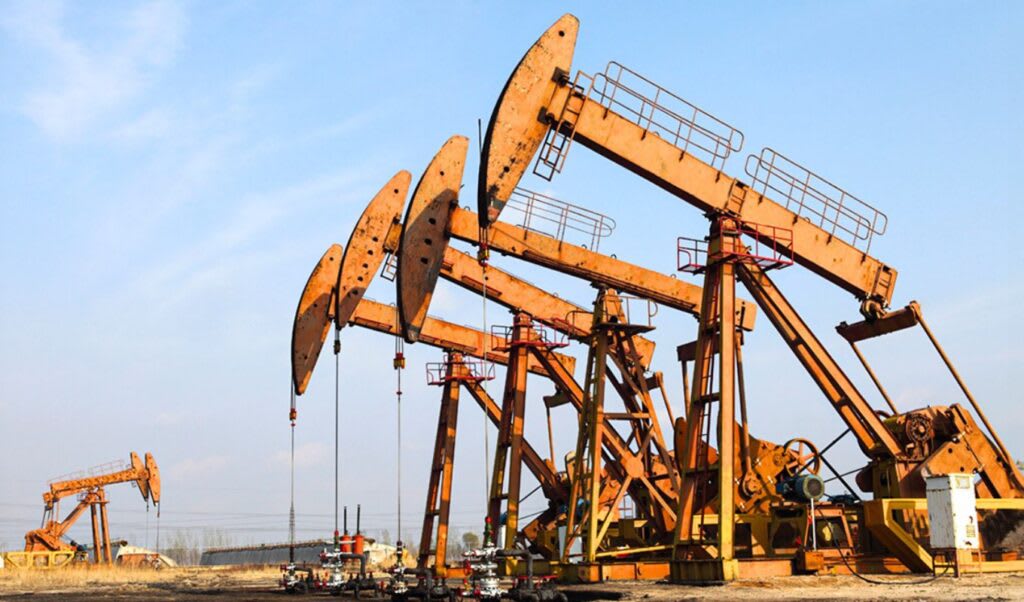
bloombergbloombergieaThe United Arab Emirates reported to OPEC that its crude oil production jumped roughly 80% in June to 3.8 million barrels per day, according to Bloomberg, underscoring how quickly Abu Dhabi moved to capitalize on its newfound freedom after exiting the cartel.bloomberg
The 3.8 million barrels per day figure, which the UAE communicated directly to OPEC's Vienna-based secretariat, represents a sharp increase from the roughly 2.1 million barrels per day the country was producing in the months before its departure, when its output was capped at about 2.6 million barrels per day under the OPEC+ agreement. The surge aligns with separate data from the International Energy Agency, which in its July report said the UAE pumped 4.1 million barrels per day on average in June — a figure that includes condensates alongside crude.bloomberg+1
Ship-tracking firms Kpler and Vortexa had already flagged the ramp-up at the end of June. Reuters reported that UAE crude and condensate exports hit a record 3.7 million barrels per day during the month, well above the 3.1 to 3.3 million barrels per day seen earlier in the year.reuters
The UAE announced on April 28 that it would leave both OPEC and the broader OPEC+ alliance effective May 1, ending 59 years of membership. Abu Dhabi had invested heavily in expanding its production capacity to roughly 4.8 million barrels per day but was constrained by group quotas that officials said no longer aligned with the country's economic interests.reuters+3
The exit also reflected growing strategic divergence between the UAE and Saudi Arabia, OPEC's de facto leader, according to analysis from the Middle East Council. Emirati officials described the move as a "sovereign strategic decision".mecouncil+1
Despite the departure, OPEC continued to include UAE data in its July Monthly Oil Market Report, published on Sunday. OPEC's statutes stipulate that a member's withdrawal takes effect at the start of the next calendar year, meaning the organization treats the UAE as formally part of the group until January 2027 for reporting purposes.facebook+1
The production surge has added to downward pressure on oil prices, which fell sharply in June as a temporary ceasefire between the United States and Iran allowed tanker flows through the Strait of Hormuz to resume. North Sea Dated crude dropped to $68 per barrel by early July before rebounding after renewed hostilities on July 7-8, according to the IEA.iea