Newsletter Subscribe
Enter your email address below and subscribe to our newsletter
[forminator_form id="25163"]

All voices matter

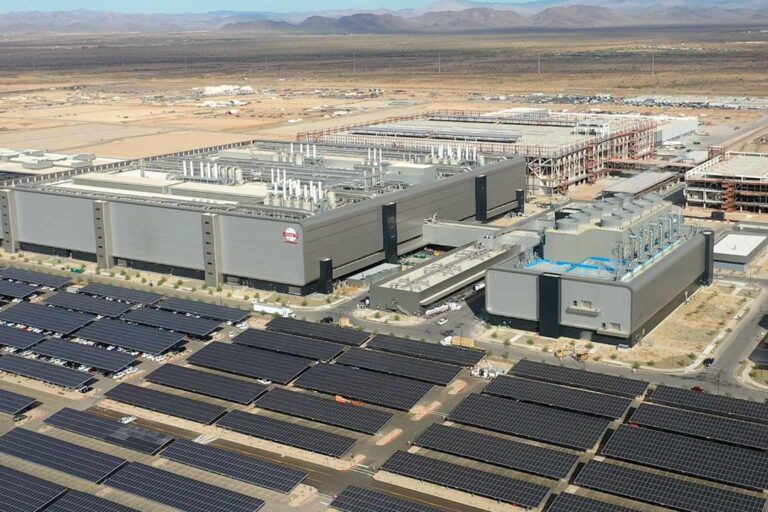
fudzillaelectronicsweekly+1linkedin+1TSMC Taiwan Semiconductor Manufacturing Company Limited has reached a production milestone at its 2-nanometer node, with one facility already achieving a monthly output of 20,000 wafers as the company accelerates its most aggressive capacity expansion ever.
According to Taiwan's Economic Daily News, five fabs in Taiwan are now focused on 2nm production, with the Baoshan site reaching the 20,000-wafer monthly mark in May 2026 and continuing to ramp. Together with new capacity coming online in Kaohsiung, TSMC's 2nm production capacity is expanding month by month. The node contributed 3% of TSMC's second-quarter wafer revenue, even though no major customer has yet shipped consumer products built on the process.trendforce+1
TSMC said at its North America Technology Symposium earlier this year that it plans to increase first-year 2nm wafer output by 45% compared with the first year of 3nm production in 2023, and targets a 70% compound annual growth rate in 2nm capacity between 2026 and 2028. During its previous earnings call, the company said its 2nm node attracted four times as many tape-outs as 3nm did at the same stage.fudzilla+2
For now, TSMC's 3nm node still dominates, churning out roughly 175,000 wafers per month. But the pipeline of 2nm customers suggests that gap will narrow quickly. Apple and Google Alphabet Inc. are expected to be among the first to ship consumer devices on the node — Google's Pixel 11 series with the Tensor G6 is anticipated in August, while Apple is expected to follow in September with the A20 Pro chip inside the iPhone 18.fudzilla
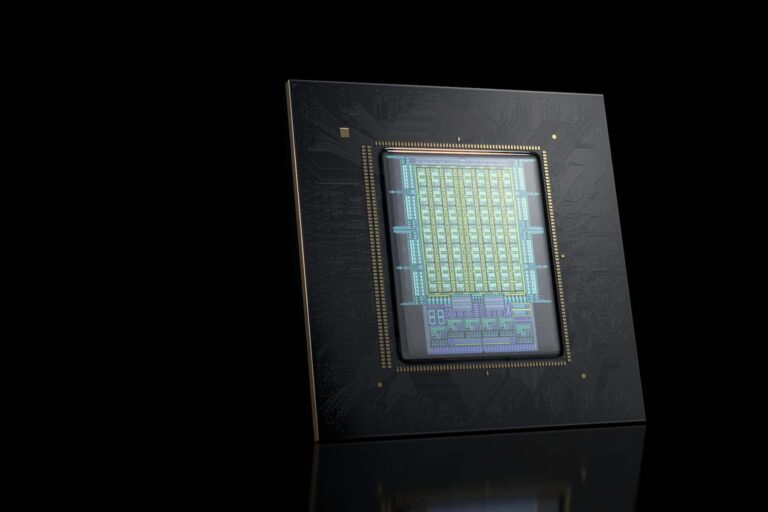
AI accelerator demand is also building. AMD Advanced Micro Devices, Inc. has confirmed its MI455X GPU for agentic AI will use TSMC's 2nm process, and Nvidia's Rubin platform is expected to follow. The N2P variant, offering additional performance and power efficiency gains, is scheduled for mass production in the second half of 2026.tspasemiconductor.substack+2
The ramp comes as TSMC reportedly plans to raise foundry prices by up to 10% starting in January 2027, which would push its 2nm wafer price above $33,000 — already roughly 50% higher than its 3nm pricing. That premium has opened a window for Samsung, which recently signed partnerships with Broadcom and secured production orders for Tesla's next-generation AI chips on its own 2nm process. Japan's Rapidus is also targeting a 2nm launch in 2027 at around $20,000 per wafer. Still, with five fabs ramping and demand accelerating, TSMC's lead in advanced manufacturing capacity remains formidable.linkedin+2