Newsletter Subscribe
Enter your email address below and subscribe to our newsletter
[forminator_form id="25163"]

All voices matter
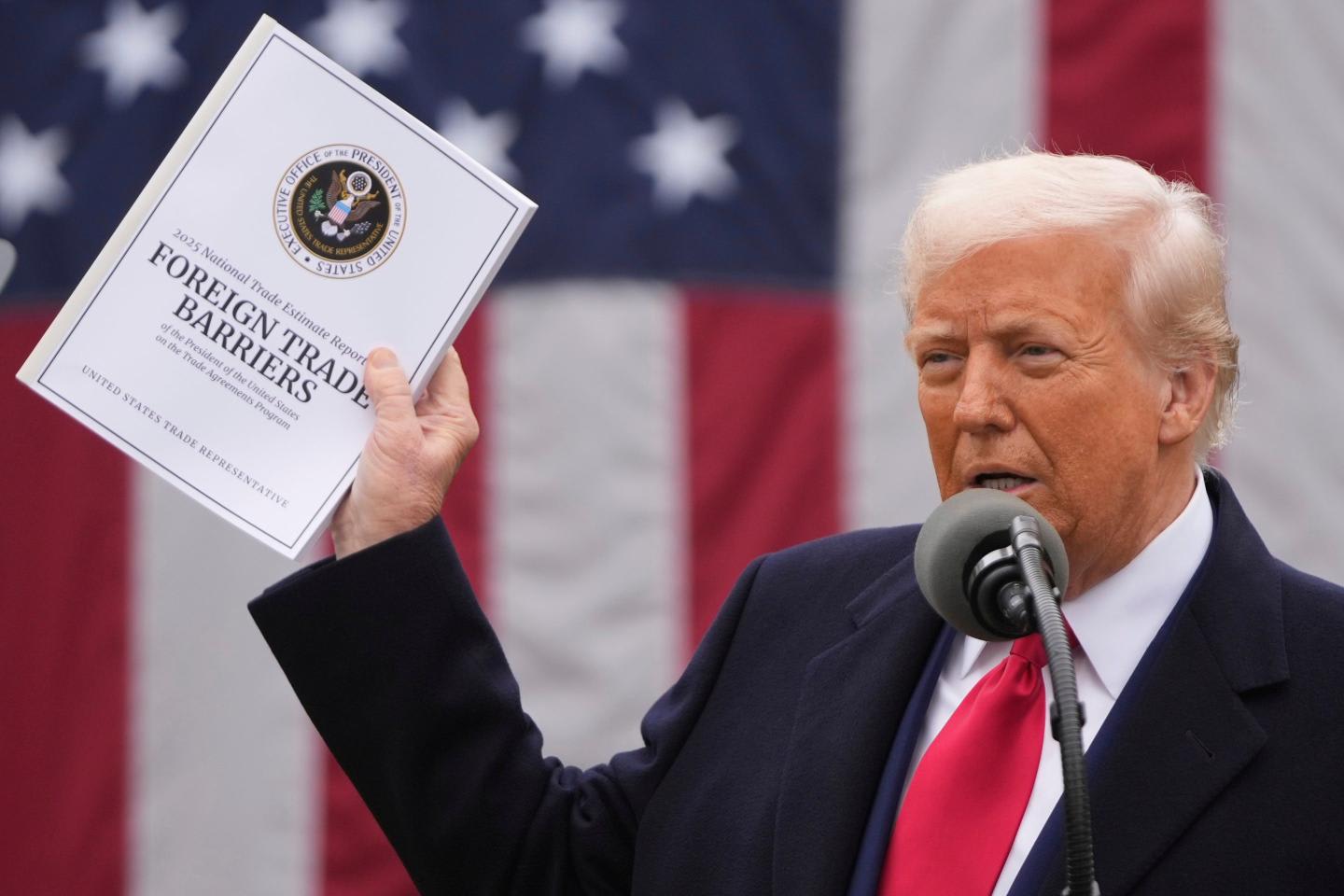
mk.co.kr+1.sanluisobispo.com+1.barrons.com+1.President Donald Trump said Thursday that foreign companies that do not build factories in the United States could face tariffs of up to 300%. He made the remarks two days after Democrats won both chambers of Congress. Speaking to reporters at the White House, Trump said that if he scrapped tariffs now, "all of these factories would stop being built." He also said 99% of companies building in the US are doing so to avoid tariffs of "50, 100, 150, 250 percent," The Korea Herald reported. He gave no targets or timeline for the 300% figure, according to Maeil Business. He added that "a lot is being prepared" for the coming weeks.biz.heraldcorp.com+1
His comments back up what trade experts have said since the Nov. 3 midterms. Democrats will scrutinize his tariffs, but the president's veto and his remaining trade powers mean they are unlikely to roll back much.
"The swing in Congress, the results of the election, are very unlikely to have a significant impact on the president's trade agenda," Blake Harden of Ernst & Young's Washington Council told Reuters. He pointed to the broad trade authority Congress has handed to the executive branch. Overriding a veto would take 67 senators and 290 House members, which is well beyond Democrats' projected majorities. Experts expect the new majorities to focus on hearings and investigations instead.sanluisobispo.com
Rep. Richard Neal, expected to lead the House Ways and Means Committee again, said Americans are "tired of paying for Trump's needless war with Iran and price-hiking tariffs." Sen. Ron Wyden introduced a bill in July that would require Congress to approve major tariff measures before they take effect, according to The Dong-A Ilbo. Mireya Solis of the Brookings Institution told the paper that if Congress tries to curb his authority, Trump "will be quick to wield his veto power."donga.com
In February, the Supreme Court ruled that the International Emergency Economic Powers Act does not authorize tariffs. Since then, the administration has turned to other laws, including Section 301 of the Trade Act and Section 232 of the Trade Expansion Act. Neither requires annual approval from Congress, and both "remain the most legally durable tariff authorities," according to law firm Baker McKenzie. Section 232 duties now reach beyond steel, aluminum and autos to cover pharmaceuticals and drones, South Korea's trade agency KOTRA said, as reported by The Korea Herald.biz.heraldcorp.com+1
"If there is one set of congressional bills you would expect Donald Trump to oppose, it would be legislation that would reduce the tariff authorities," James Lindsay of the Council on Foreign Relations told Barron's.barrons.com
Analysts say Canada is the most likely place for any easing. Henrietta Treyz of Veda Partners expects the 50% tariffs on about $20 billion of Canadian goods imposed this summer to be lifted, according to Barron's. Meanwhile, an open Section 301 investigation into industrial overcapacity could still bring new duties on China, India, Vietnam and other countries. "I don't think he's going to let his foot off the gas. He's in legacy-building mode right now," former Trump trade adviser Kelly Ann Shaw told Reuters.