Newsletter Subscribe
Enter your email address below and subscribe to our newsletter
[forminator_form id="25163"]

All voices matter
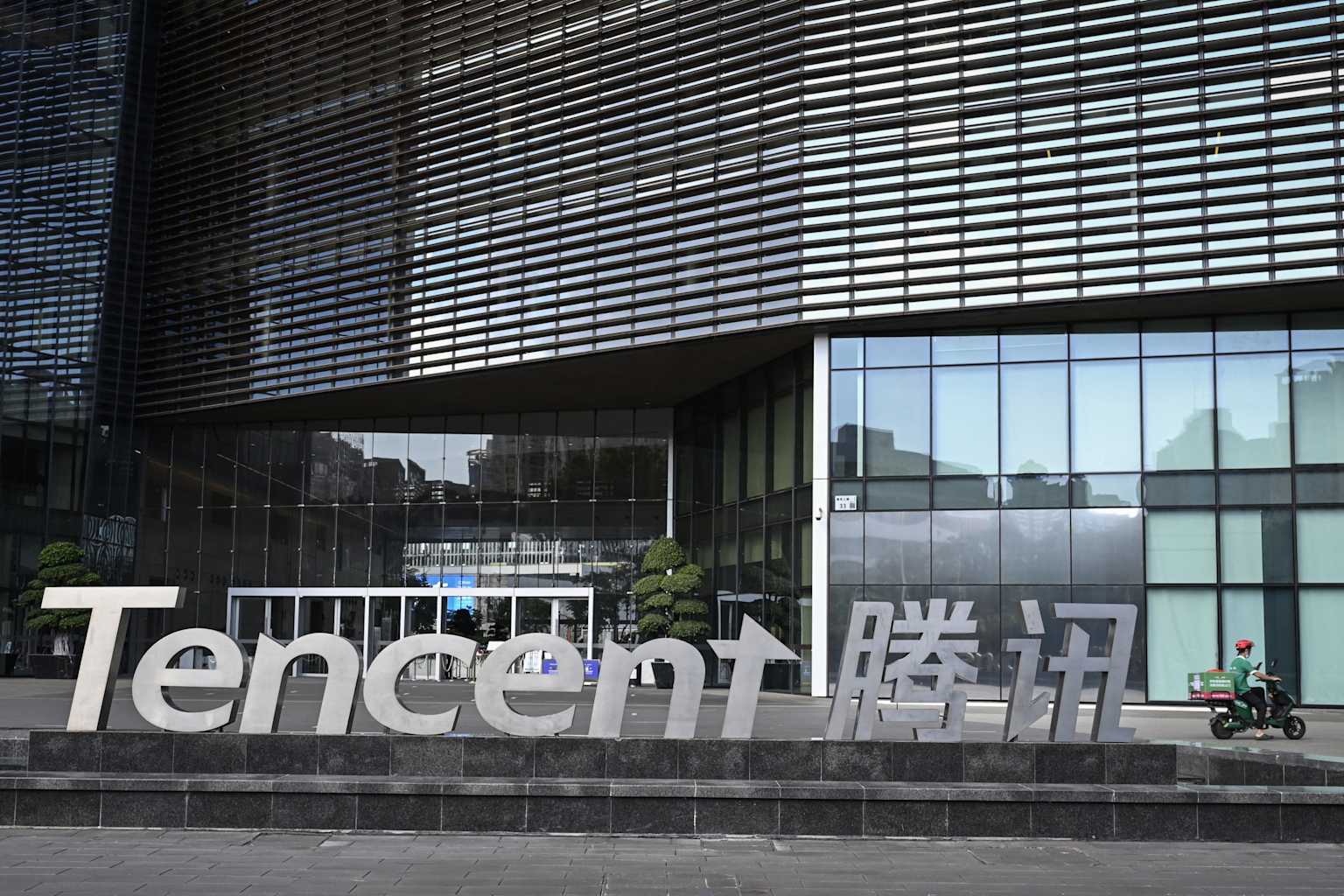
bloomberg+1tradingviewgbcode.rthk+1Tencent shares rose as much as 6% in Hong Kong on Wednesday, marking their largest intraday gain in three weeks, after the company began a limited rollout of Dayuan — a new AI agent for its enterprise communication platform WeCom, powered by DeepSeek's V4 model.bloomberg+1
Tencent's public relations head Zhang Jun announced on Tuesday that Dayuan had started reaching select users. The assistant is built on DeepSeek's V4 model, a 1.6-trillion parameter Mixture-of-Experts system released in April 2026, and allows corporate users to interact with it in natural language within WeCom — the workplace version of WeChat.deepinfra+2
Dayuan can analyze a company user's group chats, emails, and calendar entries, helping them assess customer feedback, handle client interactions, draft weekly reports, and compile daily industry briefings. The tool is designed to automatically comprehend user needs by leveraging existing work data within WeCom, eliminating the need for users to repeatedly provide context.phemex+1
The launch positions Tencent more directly against Alibaba's DingTalk and ByteDance's Lark in the enterprise productivity space. WeCom's connection to WeChat's consumer ecosystem of over 1.4 billion users remains a potential advantage in China's workplace collaboration market.tradingview+1
Separately, Tencent repurchased 1.183 million shares on June 24 for HK$500.7 million, according to an HKEX filing. The buyback is part of a broader repurchase program under which the company has acquired 27.46 million shares since its current mandate was adopted.news.futunn+1
The Dayuan rollout follows weeks of momentum for Tencent's AI ambitions. In early June, the company's stock surged over 10% after the Financial Times reported it was testing a prototype AI agent for WeChat's broader consumer user base. In March, the company pledged to increase AI investment in 2026 after U.S. chip export restrictions constrained its 2025 spending plans.investing+2