Newsletter Subscribe
Enter your email address below and subscribe to our newsletter
[forminator_form id="25163"]

All voices matter
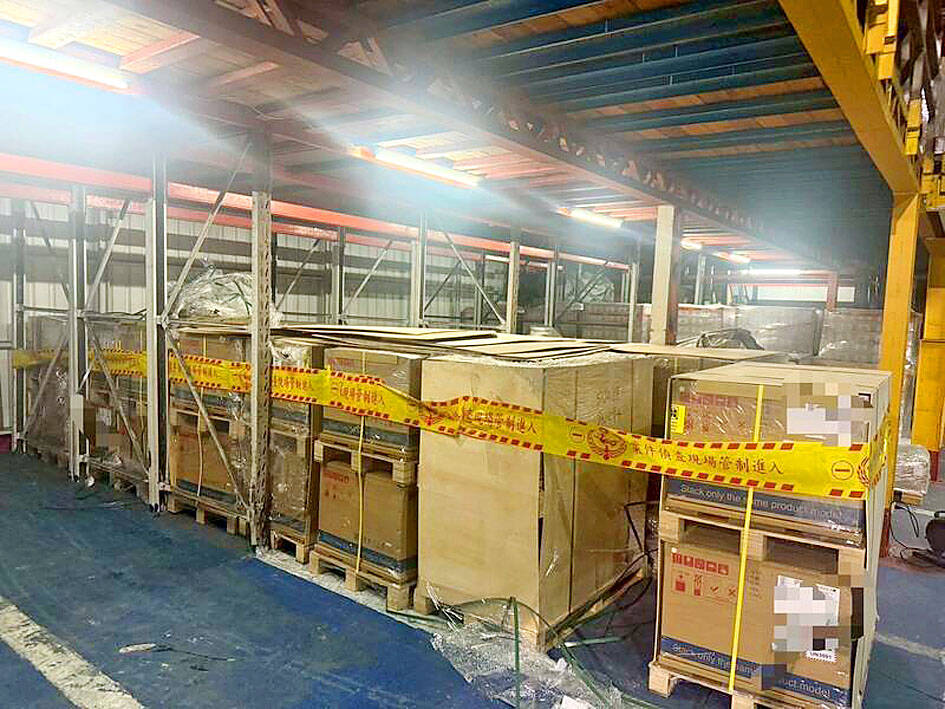
malaymail+1finance.yahoo+1finance.yahooTaiwanese prosecutors have detained an Nvidia employee as part of an expanding investigation into the alleged smuggling of the company's AI chips to China, a source familiar with the case told AFP on Tuesday. The detention marks the first time legal action has been taken directly against a worker at the chipmaker whose products are at the center of a months-long export control enforcement effort.malaymail+1
The man was detained after investigators raided his home and workplace on July 24, the Keelung District Prosecutors Office said in a statement that did not mention Nvidia by name. He is suspected of offences including "the falsification of business documents under the Criminal Code," according to prosecutors.finance.yahoo+1
Seven people are now being held as part of the broader probe, including the Nvidia employee, two from Super Micro Computer , and one from Taiwan-listed Albatron Technology . Those detained are accused of forging documents to ship roughly 50 servers made by Super Micro to China.hongkongfp+1
The case traces back to May, when Taiwanese authorities made their first known detentions of alleged chip smugglers on charges of falsifying documents related to exports of Super Micro servers containing advanced Nvidia accelerators. In late June, prosecutors expanded the investigation, raiding the offices of Super Micro, Albatron Technology, and Chief Telecom, bringing the total number of people under investigation to nine.asiafinancial+2
Prosecutors have said they are investigating the shipment of "high-end" AI servers containing advanced Nvidia chips to China, Macau, and Hong Kong in violation of US export controls. A US indictment unsealed in March alleged that employees of the company raked in billions of dollars diverting Nvidia AI chips to China in breach of those controls.hongkongfp+1
The probe represents Taiwan's most aggressive enforcement action against the diversion of controlled AI hardware to China, though the island does not currently treat AI chip smuggling as a criminal offence under its own trade regulations. Prosecutors have instead relied on criminal code provisions covering document forgery and breach of trust to pursue suspects. The investigation underscores growing pressure on US allies to enforce Washington's restrictions on advanced semiconductor exports to China, which were tightened in 2022 and again in subsequent years to limit Beijing's access to cutting-edge AI capabilities.youtube+1