


Newsletter Subscribe
Enter your email address below and subscribe to our newsletter
[forminator_form id="25163"]

All voices matter
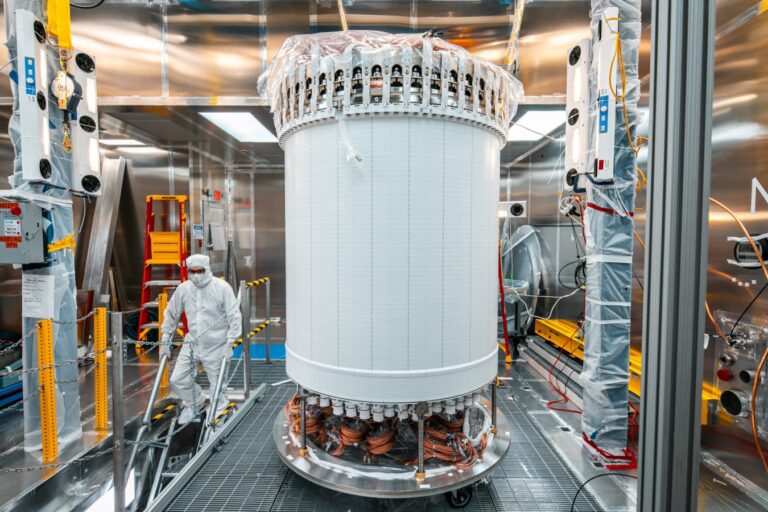
A single flash of light inside a massive underground detector in South Dakota has set off a wave of theoretical activity, as physicists around the world race to determine whether the event marks the first direct detection of dark matter…
You're all caught up
You've seen all the main stories from the past 2 days.