


Newsletter Subscribe
Enter your email address below and subscribe to our newsletter
[forminator_form id="25163"]

All voices matter
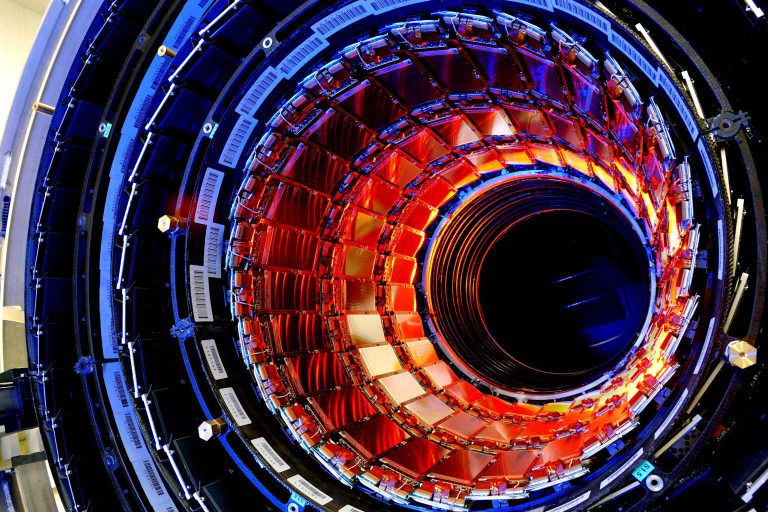
A decade-old crack in particle physics' most successful theory refuses to close. The LHCb collaboration at CERN has published its most comprehensive analysis of a rare B-meson decay, finding that measured particle trajectories still deviate from Standard Model predictions at…
You're all caught up
You've seen all the main stories from the past 2 days.
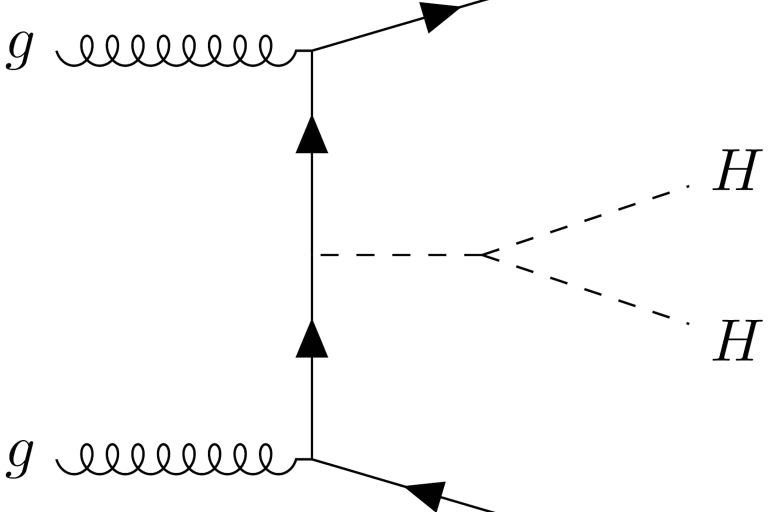
Physicists at CERN have taken their closest look yet at one of the rarest processes in particle physics: the production of pairs of Higgs bosons. New results from both the ATLAS and CMS collaborations, presented at the International Conference on…

Physicists working at CERN have demonstrated that quark-gluon plasma — the primordial state of matter that filled the universe during its first millionth of a second — can be produced by smashing together nuclei far lighter than previously thought possible.…
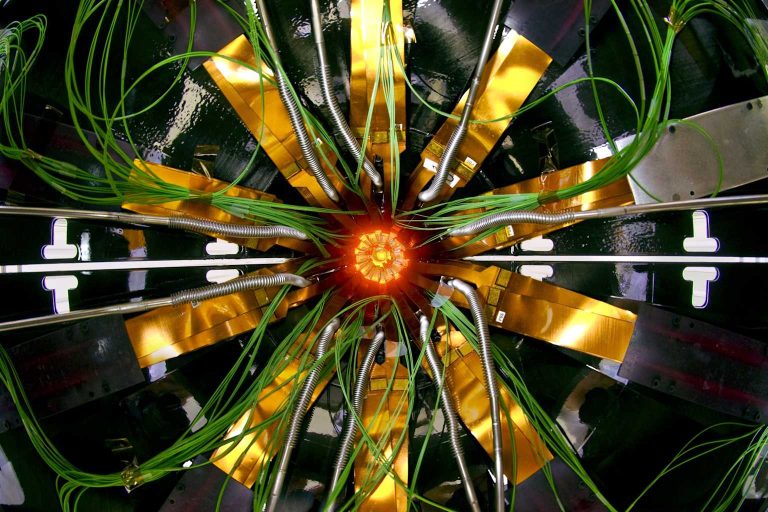
A new measurement from CERN's ALICE experiment has provided the sharpest view yet of how gluons behave inside atomic nuclei, challenging the long-standing theoretical framework known as nuclear shadowing and offering evidence for a competing phenomenon called gluon saturation.
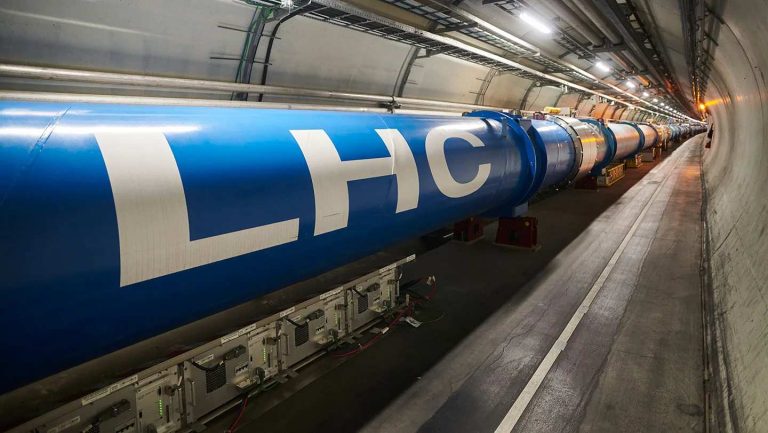
The world's most powerful particle accelerator fell silent on Monday as CERN switched off the Large Hadron Collider, marking the beginning of Long Shutdown 3 — a four-year overhaul that will transform the machine into the High-Luminosity LHC.

For nearly 50 years, scientists have suspected that microscopic marine plankton play a role in cloud formation over Earth's oceans. Now, a new experiment has confirmed their influence is far greater than anyone anticipated — potentially reshaping how climate models…

Physicists working at CERN's Large Hadron Collider have found what may be one of the strongest hints yet that the Standard Model of particle physics is incomplete, publishing results that show rare "penguin" decays of subatomic particles behaving in ways…