Newsletter Subscribe
Enter your email address below and subscribe to our newsletter
[forminator_form id="25163"]

All voices matter
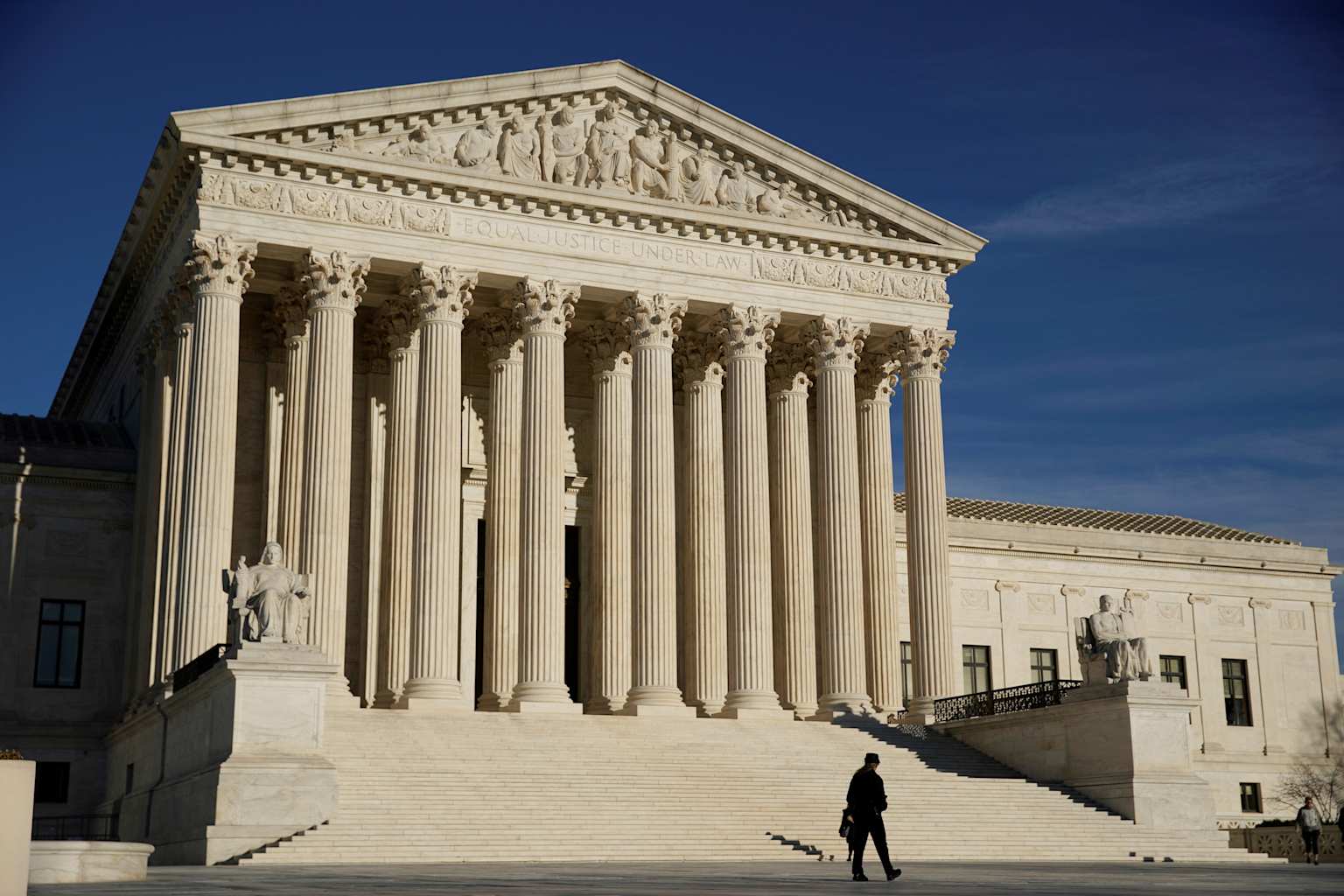
wesanews+1aol+1wesanews+1The U.S. Supreme Court on Tuesday sided with the Trump administration, lifting a lower-court order that had blocked the deportation of migrants to countries not listed in their removal orders. The unsigned, one-page emergency ruling allows rapid third-country removals to resume while the court prepares to hear full oral arguments in December, with a final decision expected next year.wesanews+1
The court's three liberal justices dissented, indicating they would have denied the government's request to restart the deportations.aol+1
Tuesday's order marks the third time the justices have overruled U.S. District Judge Brian Murphy in Boston, who found that the third-country removal policy violates due process by failing to give detainees meaningful notice or an opportunity to argue they face credible fears of torture or persecution in destination countries. The U.S. Court of Appeals for the 1st Circuit had largely upheld Murphy's ruling on Sept. 18, but the administration returned to the Supreme Court days later seeking emergency relief.scotusblog+2
Solicitor General John Sauer called the policy "an essential tool to remove certain aliens, including some of the worst criminal aliens," and said Murphy's orders had forced flight cancellations, created diplomatic complications, and delayed the removal of people convicted of assault and drug crimes.wesanews+1
More than 25,000 migrants have been deported to 29 countries under the policy, according to a tally by human rights groups cited by Reuters, with the vast majority sent to Mexico. Deportation flights have also gone to politically unstable nations including South Sudan, Uganda, Equatorial Guinea, Liberia, and the Central African Republic. The New York Times has reported that U.S. deportees in Equatorial Guinea were subjected to hooding, binding, and physical abuse by local law enforcement.nytimes+1
Lawyer Trina Realmuto of the National Immigration Litigation Alliance, representing the migrants, told the court that deportees sent without proper notice "have faced prolonged and arbitrary detention, beatings and sexual assault, disappearance, and chain refoulement to countries from which the United States had already granted them protection".scotusblog+1
The justices asked both sides to brief whether lower courts had jurisdiction to issue nationwide relief and whether the policy violates the due process clause or conventions against torture. More than a dozen UN human rights experts wrote to the U.S. government this week urging a halt to third-country removals, warning that children, women, persons with disabilities, and other vulnerable groups face heightened risk of abuse. The court's December hearing will determine whether the policy can continue on a permanent basis.aol+1