Newsletter Subscribe
Enter your email address below and subscribe to our newsletter
[forminator_form id="25163"]

All voices matter
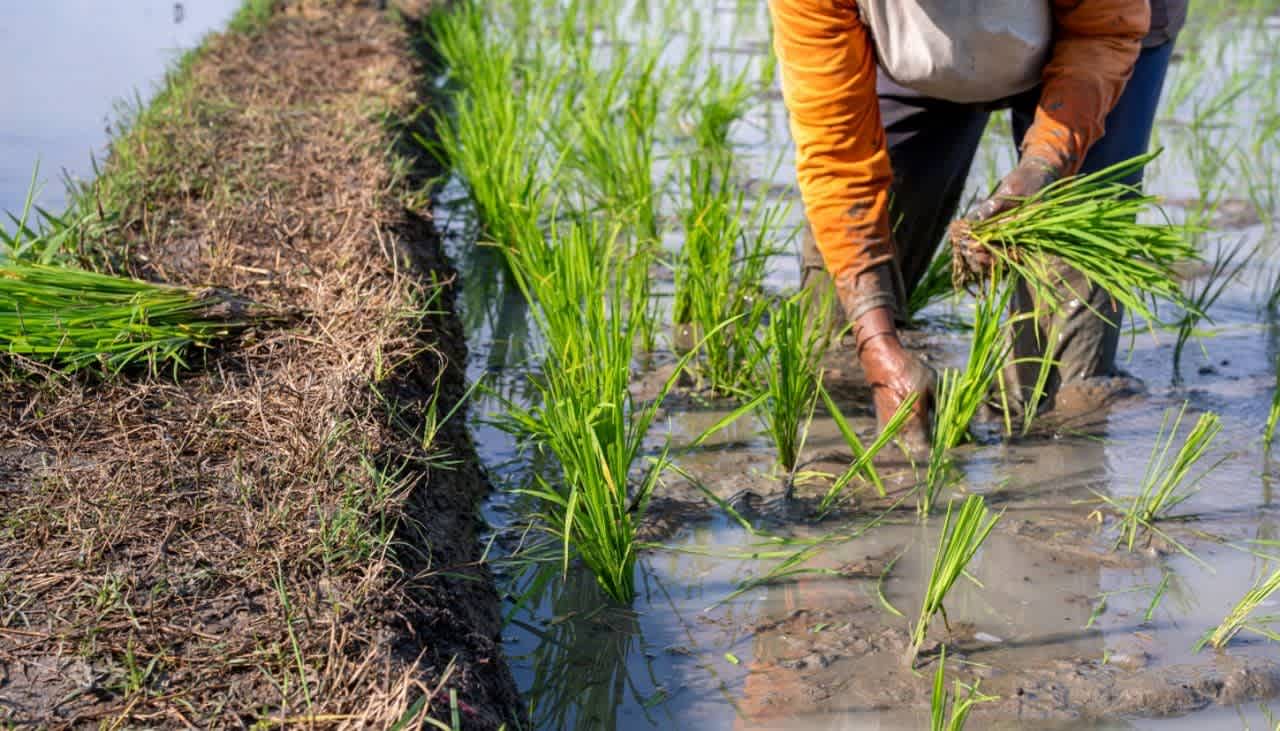
weforumstonexreutersA strong super El Niño is now underway, and its most damaging effects on global crop production are expected to land between September and December, raising the prospect of a new wave of food inflation across staple commodities including wheat, palm oil and rice.
Bertrand Oesterle, Vice President of Clearing and Execution Sales at StoneX in London, warned that the heat already visible across Europe and the Black Sea region represents "the opening moves rather than the main event." India is expected to plant a lower wheat area, while Malaysian and Indonesian palm oil production faces heat-driven declines, he said. The Food and Agriculture Organization has warned that El Niño is "likely to reduce crops worldwide and it could feed over the next 3 to 6 months into food inflation."stonex
Reuters reported in June that scenarios for this El Niño indicate price shocks of 10% to 50% across core commodities, with rice, palm oil, sugarcane and coffee potentially experiencing surges of 50% to 100%. However, a separate Reuters analysis published on August 11 noted that near-record inventories, technological advances and the rise of exporters such as Brazil and Russia have made the global food system more resilient to this super El Niño than in similar past events.reuters+1
The World Food Programme warned on August 4 that the 2026–2027 El Niño could push at least 49 million more people into acute food insecurity by the end of next year, bringing the global total to 274 million across 45 vulnerable countries. Central America and Southern Africa are expected to be among the hardest hit, with food insecurity in Central America projected to rise by more than 80%.weforum+2
The UN has said there is an 81% chance of a very strong El Niño event — the strongest since 1950. The FAO's Chief Economist, Máximo Torero, has warned of a potential "double blow" in Latin America, where El Niño impacts could combine with reduced access to fertilizers and hybrid seeds linked to disruptions around the Strait of Hormuz.youtube+1
Across Africa, governments and agribusinesses are preparing for disruption as El Niño strengthens, with experts calling for improved agricultural intelligence and early warning systems. The WFP said it has expanded anticipatory action in 18 countries, reaching more than 1.3 million people this year with cash and other support. For commercial buyers, the gap between a confirmed weather event and an unconfirmed supply shortfall is creating what Oesterle described as "a potential for further bullishness" across grains and oilseeds.panafricanvisions+2