Newsletter Subscribe
Enter your email address below and subscribe to our newsletter
[forminator_form id="25163"]

All voices matter
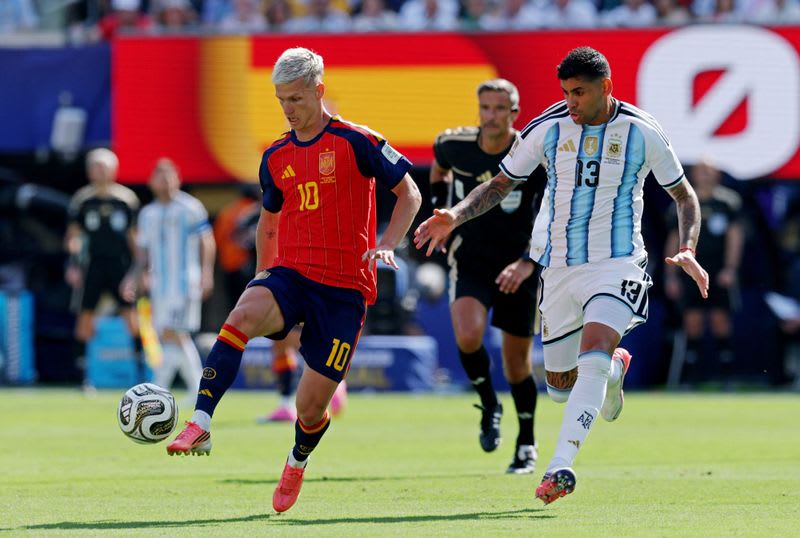
nbcnews+1kfgokfgoSpain's 1-0 victory over Argentina in Saturday's final at MetLife Stadium brought the curtain down on the 2026 FIFA World Cup, but the debate over what the tournament means for the future of the sport is only beginning. In a review published after the final, Reuters correspondent Julien Pretot wrote that the tournament may be remembered "less for the identity of its winner than for the question it left hanging over the game: how much of soccer's American makeover will survive once the tournament leaves North America?"kfgo
The first World Cup held across three nations — the United States, Canada, and Mexico — delivered record-breaking numbers. FIFA reported attendance of 4.6 million across 72 group-stage matches, with a stadium-occupancy rate of 99.7%. Revenue projections ahead of the tournament placed FIFA's haul near $9 billion from broadcasting rights, sponsorships, and matchday income.sportsvalue+3
Yet the commercial ambitions that drove those figures also drew sharp criticism. Mandatory "hydration" breaks effectively split matches into four quarters, creating natural advertising windows that critics said betrayed the sport's continuous rhythm. The final featured a halftime entertainment spectacle with a 27-minute interval — more than double the traditional 15 minutes — and the winning Spanish squad received championship rings, a tradition borrowed directly from American professional sports. ESPN reported that tickets on FIFA's own resale platform reached as high as $2.3 million, while the cheapest final tickets ran about four times higher than those at the 2022 World Cup in Qatar.nbcnews+3
Beyond commercialization, the Trump administration's travel restrictions cast a shadow over the event. Proclamations issued in 2025 suspended entry for nationals of dozens of countries, with exceptions carved out only for athletes, coaches, and support staff — not spectators. Fans from Iran, Côte d'Ivoire, Senegal, and Haiti faced outright travel bans, while visa bond requirements of $5,000 to $15,000 applied to visitors from additional African and Middle Eastern nations. According to The Hill, 147 out of 150 Ghanaian fans who applied for World Cup visas were rejected.youtube+3
Reuters noted the broader tension at the heart of the tournament: American cities experienced the distinctive culture of international soccer — vast travelling support, flags filling city centers, supporters singing for hours — even as FIFA appeared intent on absorbing American sports entertainment conventions and projecting them worldwide. The expanded 48-team, 104-match format suited FIFA's commercial model but left some questioning whether it improved the sporting product.kfgo
UEFA has already signaled resistance, stating it will not allow hydration breaks exceeding one minute in its competitions. Whether FIFA's innovations from American soil become permanent fixtures or temporary novelties will likely be tested when the tournament moves to Spain, Portugal, and Morocco in 2030.kfgo