Newsletter Subscribe
Enter your email address below and subscribe to our newsletter
[forminator_form id="25163"]

All voices matter
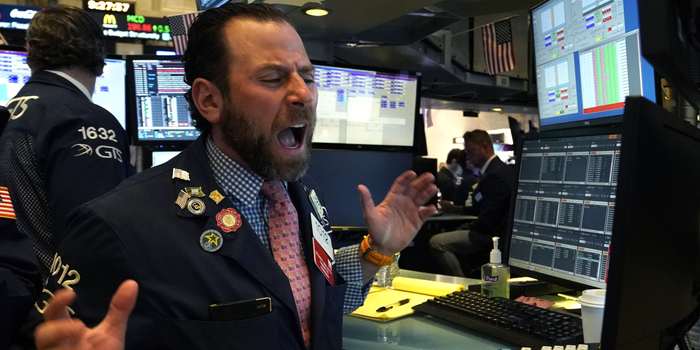
kucoin+1thestreet+1kucoin+1The Philadelphia Semiconductor Index plunged 4.3% on Friday, July 17, pushing the benchmark gauge to a 22% decline from its mid-June record high and confirming a technical bear market for the sector. The rout erased trillions in global chip market value and spread from Wall Street to Asia and Europe, marking the most severe test yet for the AI-fueled rally that defined the first half of 2026.kucoin+1
The selloff reverberated across the Pacific on Friday. Japan's Nikkei 225 fell 4% as heavy selling in chipmakers dragged the index lower, while Taiwan's market dropped 6.5% a day after TSMC announced plans to invest an additional $100 billion in U.S. fabrication plants. South Korea's Kospi, which had more than doubled in the first half of 2026, slumped as much as 7.6% on Wednesday before markets closed for a holiday, with SK Hynix and Samsung leading losses.features.financialjuice+3
Memory stocks bore the brunt: SK Hynix ADR fell over 13%, SanDisk Western Digital Corporation dropped more than 12%, Micron declined over 5%, and Western Digital slid over 9%. Japanese chipmaker Kioxia, which had gained nearly 800% earlier this year, saw its shares collapse 15% on Thursday alone.stockinvest+2
The paradox at the heart of the rout is that corporate earnings have been strong. TSMC reported a 77% surge in quarterly profit on Wednesday, its fifth consecutive quarter of record results, while raising its full-year spending outlook. ASML similarly beat estimates and hiked its annual revenue guidance to between €43 billion and €45 billion. Yet neither report lifted sentiment — ASML's stock closed lower after initially jumping 7%, and TSMC shares fell in premarket trading.asml+5
According to Reuters, investors offloaded heavyweight chip stocks even as economic data remained supportive, in what traders described as a classic "sell-the-news" dynamic compounded by profit-taking after an extraordinary run.reuters
Underlying the reversal is a growing unease over whether the enormous capital spending by hyperscalers will produce commensurate returns. Following first-quarter earnings, the four largest U.S. AI operators — Meta , Alphabet , Microsoft , and Amazon Amazon.com, Inc. — collectively raised their 2026 capital expenditure plans to nearly $725 billion. Goldman Sachs noted that its high-beta momentum index has fallen 20% since the start of July, as major asset managers unwind leveraged positions in crowded AI trades. J.P. Morgan's JPMorgan Chase & Co. strategy desk warned that "the investor deleveraging phase is still ongoing".youtube+1
Morgan Stanley has characterized the pullback as a mid-cycle adjustment rather than a peak, but the speed of the decline — the worst weekly performance for the sector since the tariff shock of April 2025 — suggests the market's appetite for AI optimism may have reached its limit.forbes