Newsletter Subscribe
Enter your email address below and subscribe to our newsletter
[forminator_form id="25163"]

All voices matter
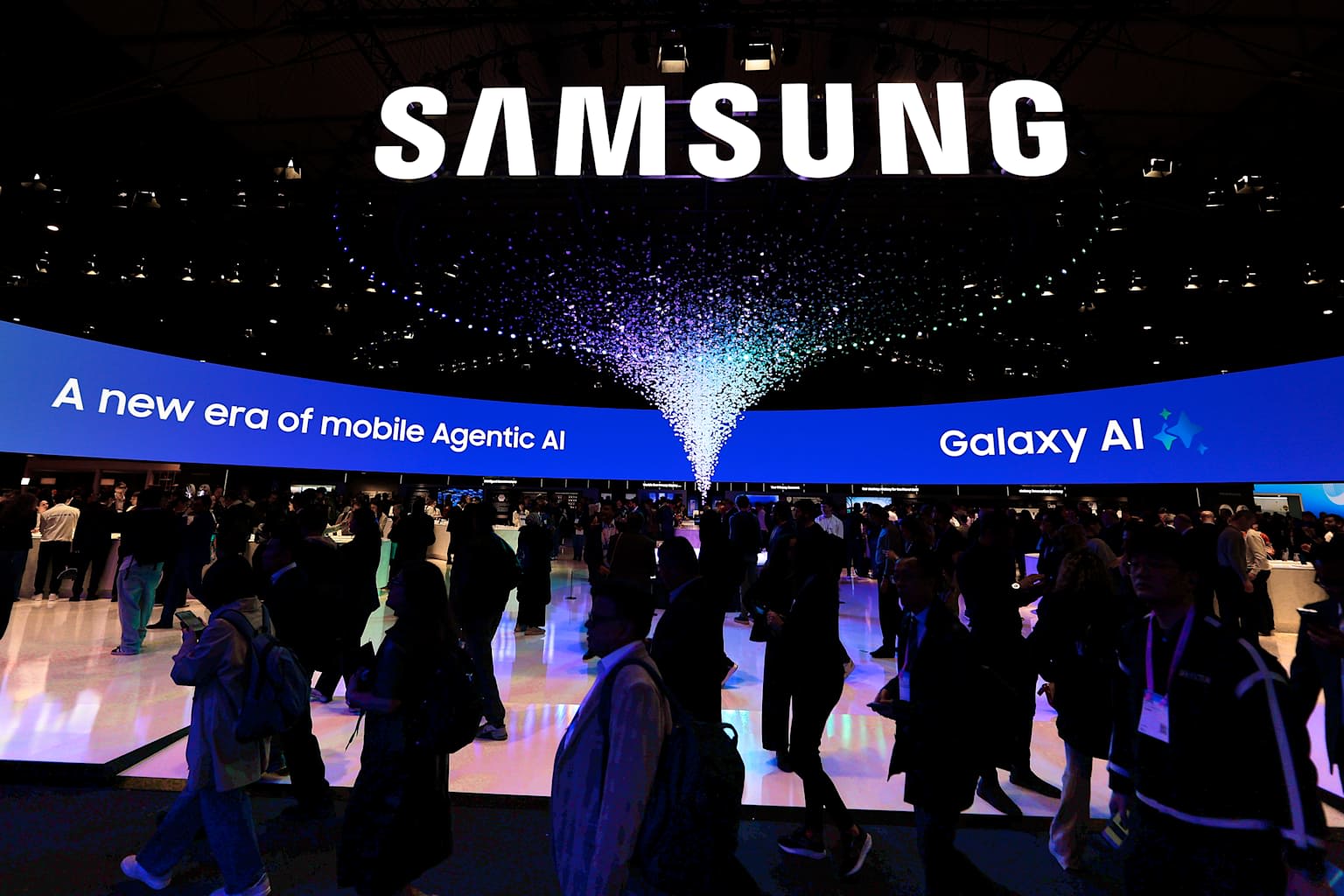
reuters+1biz.chosunsammobile+1Samsung Electronics is on track to report record-shattering overall profit for the second quarter of 2026, but its mobile division may simultaneously post its first-ever quarterly loss — a paradox driven by the very memory chip boom fueling the company's semiconductor windfall.
Samsung's preliminary earnings guidance, released on July 7, projected consolidated operating profit of approximately 89.4 trillion won ($58.4 billion) for the April-June quarter, a nearly 19-fold increase from a year earlier. The result marks the company's third consecutive record quarter, powered almost entirely by its semiconductor division capitalizing on insatiable AI-related demand for memory chips.reuters+4
Yet buried beneath those headline numbers is a starkly different story for Samsung's Mobile Experience (MX) division. According to an analysis by Samsung Securities published on July 8, the MX and Networks divisions recorded an estimated operating loss of 1.4 trillion won in Q2. A separate report from DealSite, cited by GSMArena and SamMobile on July 16 and 17, estimates the mobile division's most probable outcome ranges from a loss of $364 million to $729 million.gsmarena+2
The irony is sharp: the same AI-driven memory price surge enriching Samsung's chip business is crushing its phone business. Mobile LPDDR RAM prices have climbed more than 70 percent, while NAND flash storage costs have roughly doubled, according to TrendForce data. Analysts say the cost of RAM in an $800 phone has risen from 14 percent to 23 percent of the bill of materials.fudzilla+1
Samsung Securities has revised its full-year outlook for the MX and Networks divisions from a projected operating profit of 3.41 trillion won to an operating loss of 5.84 trillion won for 2026, with losses expected to widen to 15.2 trillion won in 2027.biz.chosun
The pain extends well beyond Samsung. IDC forecast in February that global smartphone shipments would fall 12.9 percent in 2026, the largest annual decline ever recorded, as memory costs push device prices higher. CNBC reported that Counterpoint Research expects average smartphone selling prices to rise 6.9 percent year-over-year. Budget devices priced under $200 have seen material costs jump 20 to 30 percent, and some vendors are considering reverting entry-level phones to 4GB of RAM.cnet+3
Samsung is scheduled to release its full divisional earnings breakdown on July 23.tradingkey