Newsletter Subscribe
Enter your email address below and subscribe to our newsletter
[forminator_form id="25163"]

All voices matter
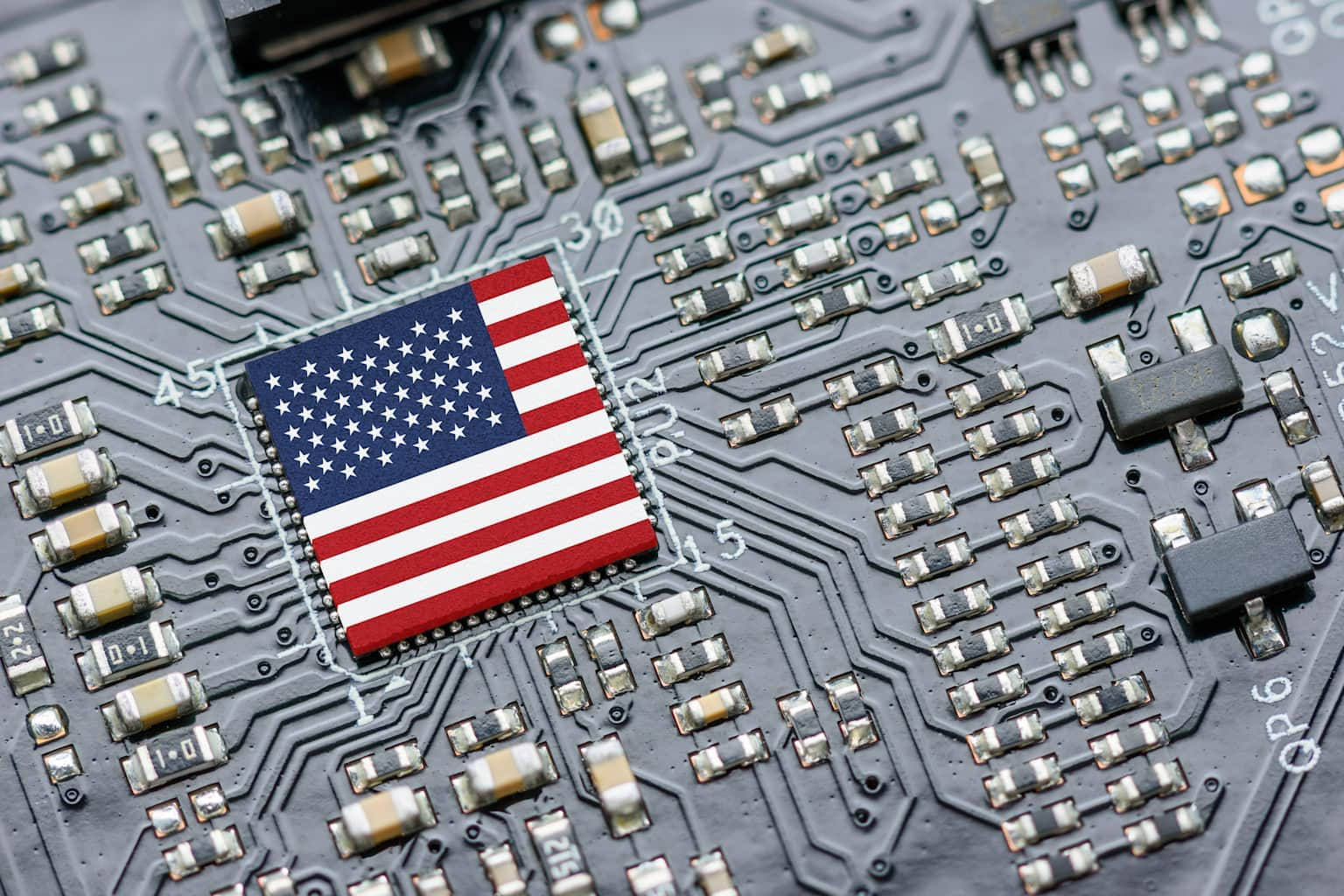
reuters.com.reuters.com+1.reuters.com.Shares of Samsung Electronics and TSMC Taiwan Semiconductor Manufacturing Company Limited fell in Asian trading on Tuesday, November 17. The drop came after the Trump administration said on Monday that it would further limit China's access to advanced AI chips, Reuters Thomson Reuters Corporation reported. Analysts said the new rules reach beyond US chip designers and put new compliance duties on contract manufacturers that make chips for Chinese customers.reuters.com
The new rules "tighten requirements on foundries manufacturing advanced chips for Chinese fabless companies," CLSA senior analyst Sanjeev Rana said. "Samsung Foundry therefore might potentially face additional customer due diligence and licensing requirement," he added, according to Reuters. Samsung shares fell as much as 3.3% during the session, Investing.com reported.investing.com+1
The Commerce Department's Bureau of Industry and Security issued the measure as an interim final rule. It targets overseas data centers that Chinese companies have used to rent computing power remotely and train AI models, TechCrunch reported. Data centers that supply large amounts of computing power to companies headquartered in China must get US export licenses within 90 days to keep providing those services, Reuters reported. Shipments of covered chips to Singapore, Thailand, Malaysia, Indonesia and Brazil will also need licenses, because Washington considers those countries a higher-than-normal risk for diversion to China.reuters.com+1
US companies running data centers in those five countries are exempt, as are systems used by online retailers and social media companies, according to Reuters. The rule also formally rescinds the Biden-era AI Diffusion Rule from January 2025.reuters.com
Under the rule, data centers, foreign foundries and chip exporters must carry out "robust due diligence" on their customers, including checks on any direct or indirect ownership or control by entities in US-embargoed countries, UPI reported. The rule also leaves front-end fabricators and chip packagers with fewer ways to overcome the presumptions they face when exporting advanced-node logic chips for designers in restricted destinations, according to KPMG. Caixin reported that some advanced chips designed outside the US and allied jurisdictions will be presumed to be intended for data-center use unless manufacturers can show otherwise.upi.com+2
The rules came out as President Donald Trump began a trip to China to meet President Xi Jinping, Reuters reported. CNN described the measure as arriving amid a dispute within the administration over how to handle chip access. The rule closes a path that let Chinese developers use Nvidia computing power in third countries despite existing US bans on direct sales of the most advanced AI chips to China, according to The New York Times .cnn.com+2