Newsletter Subscribe
Enter your email address below and subscribe to our newsletter
[forminator_form id="25163"]

All voices matter

Android Authority+1Android Authority+1gagadget.com+1Samsung used its Galaxy Unpacked event in London on Wednesday to pull back the curtain on its first smart glasses, entering a market long dominated by Meta's Ray-Ban collaboration. The Galaxy Glasses, developed in partnership with fashion eyewear brands Gentle Monster and Warby Parker, run on Google's Alphabet Inc. Android XR platform with Gemini AI as the primary assistant.
The reveal, however, appears to be a preview rather than a full commercial launch. According to pre-event reporting from WinFuture's Roland Quandt, the glasses are expected to reach consumers in fall 2026 alongside new eyewear collections from both design partners, with pricing and broad availability still unannounced.Android Authority+2
Built around Qualcomm's Snapdragon AR1 Gen 1 chipset, the Galaxy Glasses forgo a built-in display entirely. Instead, two frame-mounted cameras feed visual data to Gemini in real time through a paired smartphone. The AI assistant can read whiteboards, provide navigation directions, deliver real-time translation, summarize notifications, and respond to voice commands or temple-mounted touch sensors.Samsung U.S. Newsroom+4
Battery life is rated at up to nine hours on a single charge, with an accompanying case offering up to seven additional full recharges. The frame weighs approximately 50 grams and includes directional speakers, photochromic lenses, and a 12-megapixel Sony IMX681 camera. Gesture control through the Galaxy Watch 9 is also reportedly in development.Gadgets 360+5
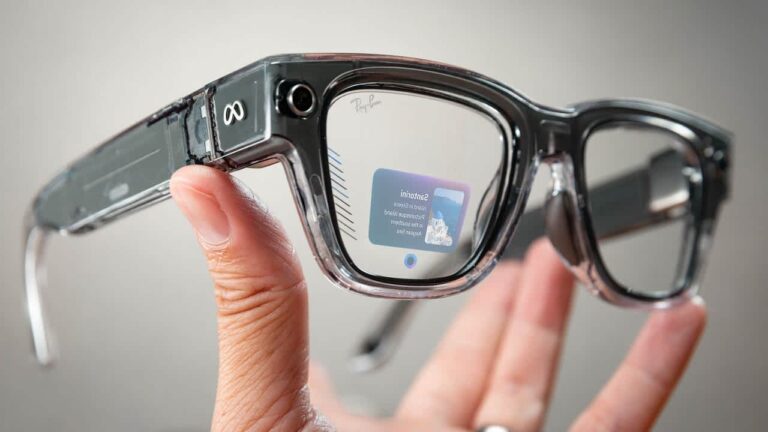
The glasses place Samsung squarely against Meta's Ray-Ban smart glasses, which offer around eight hours of battery life with a single camera. Market estimates have placed the Galaxy Glasses in the $379 to $499 range, though Samsung has not confirmed pricing.Gagadget.com+2
Samsung and Google first previewed the eyewear at Google I/O in May, where they demonstrated how Gemini could provide hands-free assistance through voice interaction. The companies emphasized that the glasses would pair with both Android and iOS devices.Google+2
A more advanced model codenamed "Haean," featuring a micro-LED display, is expected to follow in 2027 at a higher price point.Wccftech+2