Newsletter Subscribe
Enter your email address below and subscribe to our newsletter
[forminator_form id="25163"]

All voices matter
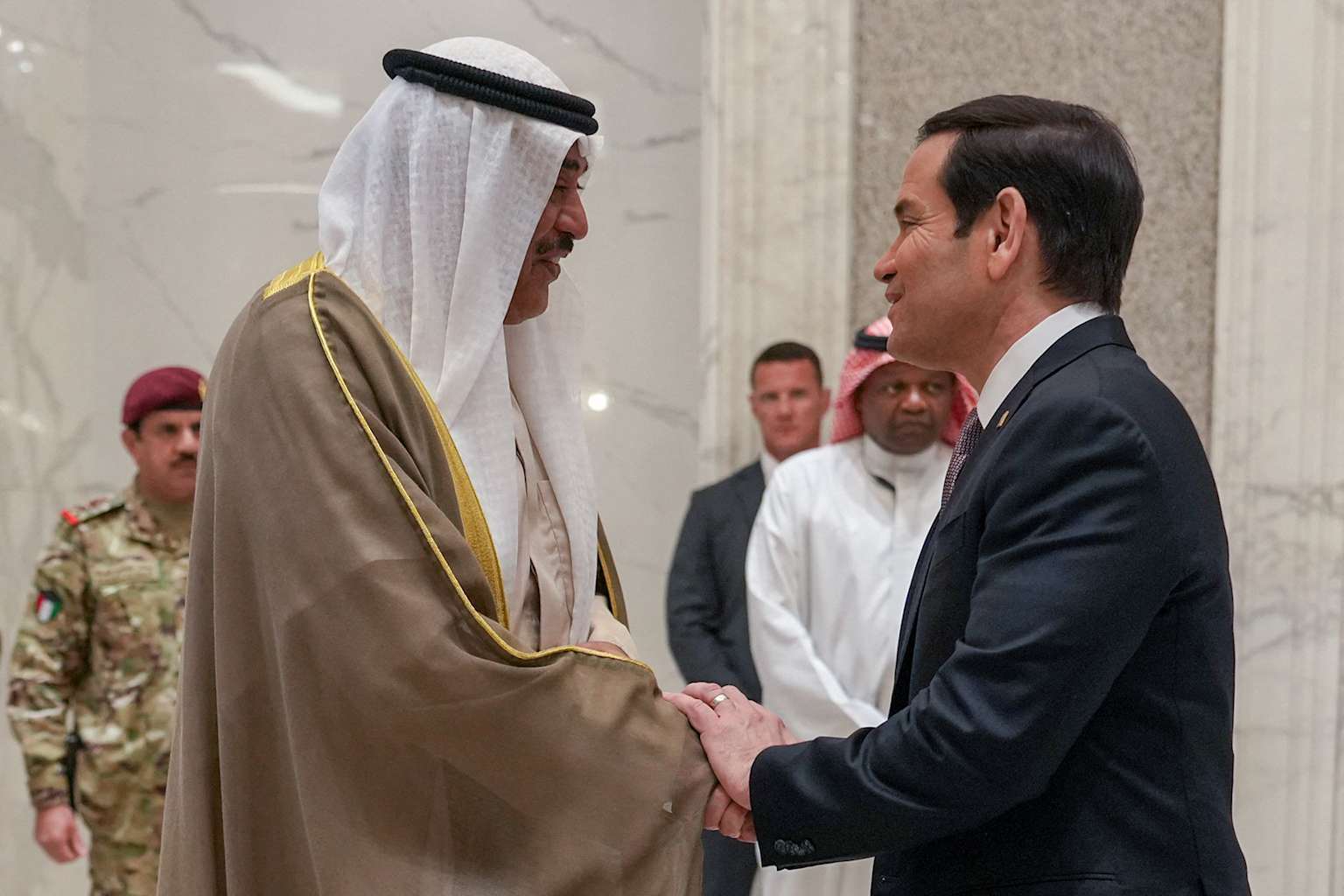
moneycontrolcnbc+1aljazeera+1U.S. Secretary of State Marco Rubio announced Wednesday that technical-level negotiations between Washington and Tehran are expected to resume in Switzerland at the end of the month, as both sides work to convert a fragile ceasefire framework into a comprehensive agreement.
Speaking during a visit to Kuwait as part of a three-day Gulf tour, Rubio said the next round of discussions would likely take place on June 29 or 30. "The technical group will be back, I believe, on the 29th or the 30th… I believe they're going back to Switzerland, if I'm not mistaken," Rubio said.moneycontrol
The talks are part of a 60-day process launched after the United States and Iran signed a memorandum of understanding on June 17 aimed at ending months of conflict and reducing tensions across the Middle East.cnbc+1
Rubio's Gulf itinerary — spanning the United Arab Emirates, Kuwait, and Bahrain from June 23 to 25 — is designed to address concerns among Washington's closest Arab partners about the deal's implications for regional security. While in Bahrain, Rubio is expected to meet with the Gulf Cooperation Council, a bloc that includes Saudi Arabia, Qatar, and Oman.reuters+1
On the Strait of Hormuz, through which roughly one-fifth of the world's energy exports flow, Rubio was emphatic. "No country is allowed to charge tolls or fees on an international waterway," he said, adding that he believed Gulf nations would agree. The remark came as Iran's parliament speaker, Mohammad Ghalibaf, said the administration of the strait "will not return to the way it was before the war," though he pledged adherence to international law.aljazeera+2
The upcoming talks build on a first round held at Lake Lucerne over the weekend, which mediators from Pakistan and Qatar described as "constructive and positive." A high-level committee has been formed to oversee political aspects of the mediation, and working groups on nuclear issues, sanctions, and conflict resolution are being established.aljazeera+2
However, disputes have already surfaced. The two sides have offered differing accounts of what the framework agreement entails — including the scope of financial incentives for Iran, conditions around the Strait of Hormuz, and the impact on Israel's parallel conflict in Lebanon. Pakistan's Prime Minister Shehbaz Sharif confirmed that the preliminary agreement makes no mention of ballistic missiles, saying there could not be "double standards" on which countries may possess them.indiatoday+1
Iran's chief negotiator, Mohammad Ghalibaf, said Tehran had secured an agreement with Washington to unfreeze $12 billion in Iranian assets, while President Donald Trump said those funds would be used to purchase American agricultural products. The U.S. Treasury has also issued a 60-day waiver permitting Iran to produce and sell crude oil and petrochemicals until mid-August.malaymail+1