Newsletter Subscribe
Enter your email address below and subscribe to our newsletter
[forminator_form id="25163"]

All voices matter
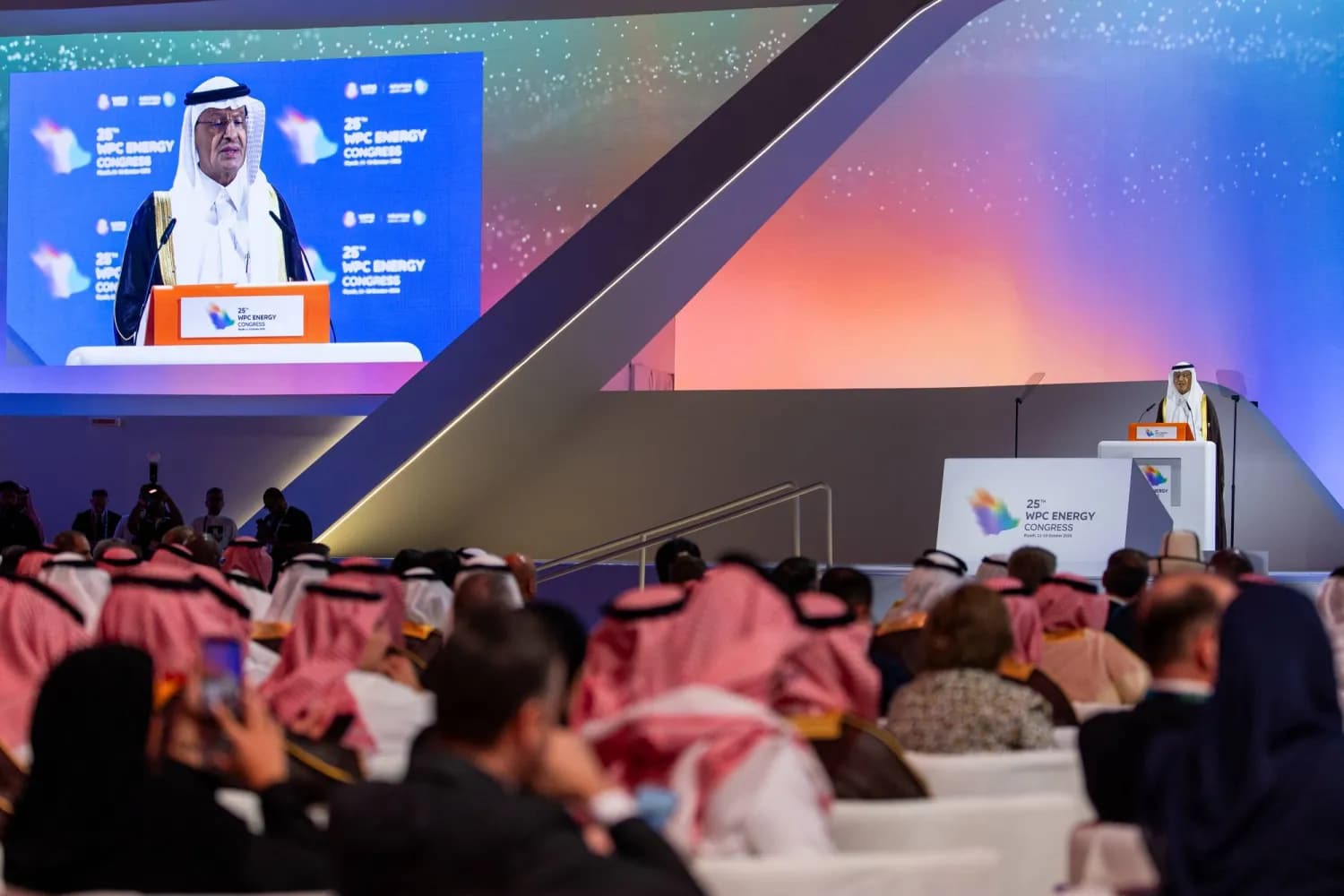
arabnews.aa.qna+1.Gulf energy leaders meeting in Riyadh this week described the Middle East conflict as an energy shock with no precedent. Speaking at the 17th International Energy Forum Ministerial Meeting, Qatar's Minister of State for Energy Affairs Saad bin Sherida Al Kaabi said the conflict has caused "by far, the world's worst energy crisis." On Monday, Saudi Energy Minister Prince Abdulaziz bin Salman told the 25th WPC Energy Congress that the kingdom got through its longest-ever energy crisis because it plans for the most severe scenarios.qna+1
The two meetings come eight months into a war that started in late February, when the U.S. and Israel attacked Iran. Iran then placed restrictions on shipping through the Strait of Hormuz in April. Saudi Arabia is also fighting the Houthis in Yemen, and airports and energy facilities have been hit in recent days.aa
Al Kaabi, who is also president and CEO of QatarEnergy, said the disruption has affected the flow of about 20% of the world's hydrocarbon supplies. He said attacks on energy assets across the region have caused tens of billions of dollars in damage. He called for a "new world energy order" that keeps energy out of politics, and asked the forum to look for ways to protect infrastructure during wars.qna
"It is a real problem that energy infrastructure has become both an economic asset and a strategic military target," he said. "Energy security must unite us, not divide us. It must be protected, not weaponized." He also offered Qatar's solidarity with Saudi Arabia and condolences to the families of people killed in the recent attacks.qna
Prince Abdulaziz said no one had lived through anything like the past eight months. "We never had an energy crisis as long as this one," he said, describing March through August as especially hard. He said the kingdom models scenarios and goes to "the severest of the severest." He also suggested that Saudi export figures, once released, would surprise people: "I don't want to brag about how much we are exporting."arabnews
Earlier in the day, at the official opening of the congress, he said global energy faces "a real test." He added: "Resilience must be built before crises occur." The congress runs from Oct. 11 to 15. Organizers expect more than 25,000 participants from 80 countries.aa
OPEC Secretary-General Haitham Al-Ghais was asked why oil prices have not reached the $200 a barrel some had predicted. He said OPEC does not comment on prices, but pointed to Saudi Arabia's East-West Pipeline, saying "People hardly knew that it existed until crunch time came about." He also cited lower Chinese imports, releases from strategic reserves and weaker demand. OPEC now expects demand to grow by 400,000 barrels a day this year, down from its January forecast of 1.4 million. It projects growth of 1.7 million barrels a day in 2027, when it expects demand that was put off this year to return.arabnews