Newsletter Subscribe
Enter your email address below and subscribe to our newsletter
[forminator_form id="25163"]

All voices matter
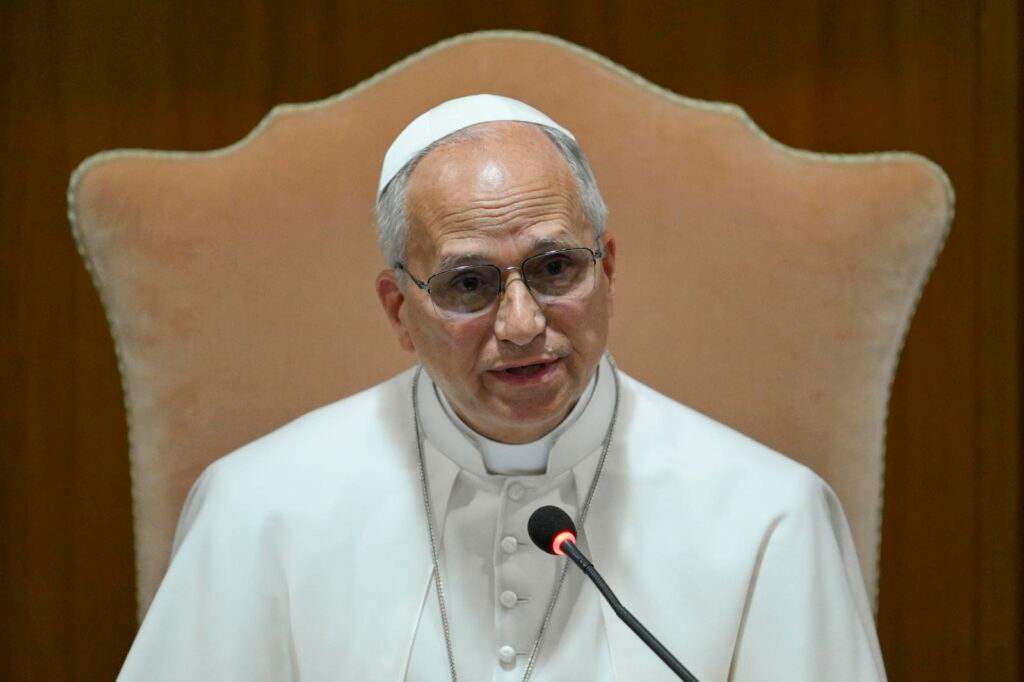
manilatimes.net.vaticannews.va.vaticannews.va.Pope Leo XIV on Friday, October 30, warned against giving artificial intelligence agents rights or legal personhood. He told AI experts gathered at the Vatican that "machines are tools, not persons," and that responsibility for what these systems do belongs to the humans who build them, AFP reported via The Economic Times.economictimes.indiatimes.com
He gave the speech to participants in "The Future of AI: A Dialogue Between the Vatican and the Scientific World on the Developments and Applications of Intelligent Technologies." The meeting was organized jointly by the Pontifical Academy for Life and the Future of Life Institute, according to Vatican News.vaticannews.va
"So-called artificial intelligences do not undergo experiences, do not possess a body, do not feel joy or pain, do not mature through relationships and do not know from within what love, work, friendship or responsibility mean," the pope said, according to AFP. "Today, some propose granting these systems rights, or even legal personhood. Such an approach risks obscuring human responsibility and leaving those who suffer harm to confront a faceless entity."manilatimes.net
Debate over the technology's risks has grown in recent months. Several incidents of AI systems taking actions nobody authorized, along with dire warnings from people in the industry, have added to it, AFP noted.economictimes.indiatimes.com
The pope built his speech around five points from his encyclical Magnifica Humanitas. He said the future of AI is not predetermined, and that some decisions must never be handed to machines. He gave examples such as putting a person on a target list or into a border-control database, which he said turns them into a data point, Vatican News reported.vaticannews.va
"Decisions affecting human life, freedom and the use of force must always remain subject to effective, informed, and responsible human oversight," he said. He called for AI to be "disarmed" and urged the states meeting in Geneva in November to move toward banning lethal autonomous weapons, Vatican News reported. He also recalled Pope Francis's 2024 message to G7 leaders that no machine should ever choose whether to take a human life.vaticannews.va
Leo, 71, said humans have "the responsibility to guide, change and, when necessary, reject" AI's uses, AFP reported. He said intelligent technologies must serve the common good and "must never become ends in themselves or serve merely the interests of a privileged few," Vatican News reported.manilatimes.net+1
The speech builds on Magnifica Humanitas, which was published on May 25. The encyclical called for legal frameworks, independent oversight and user education, and warned against technological power gathering in the hands of a few, according to Vatican News.vaticannews.va
He called building institutions to enforce ethical principles perhaps the most urgent task. That work, he said, requires "shared standards, independent oversight, and clear mechanisms of accountability, so that decisions concerning the development and use of AI can be examined, challenged when necessary, and accompanied by appropriate remedies for any harm caused."