Newsletter Subscribe
Enter your email address below and subscribe to our newsletter
[forminator_form id="25163"]

All voices matter

cheekypint.substack.com.cheekypint.substack.com.tomsguide.com+1.OpenAI CEO Sam Altman has set off a backlash among local AI users. On a podcast released Thursday, October 29, he said that memory chips sitting in personal computers waste the world's limited DRAM supply. In his view, that memory would be better used in data centers that run around the clock. The remarks came as consumers pay higher prices for PCs and memory, and many critics noted that Altman's own company is one of the biggest buyers driving the shortage.
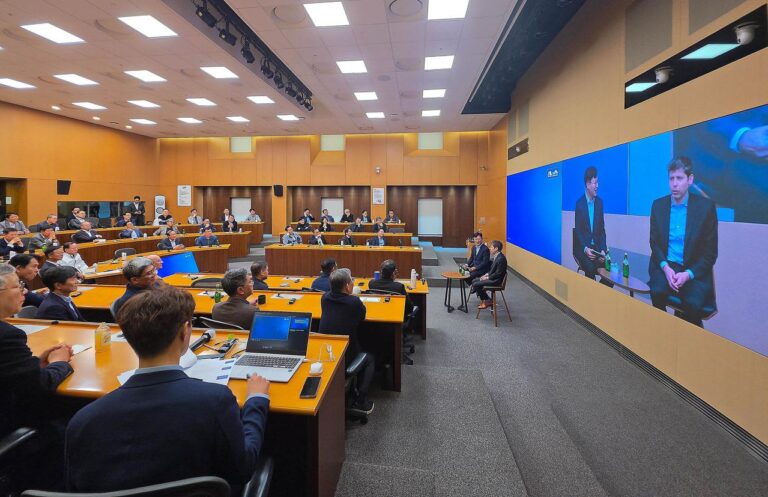
Altman spoke with Stripe cofounder John Collison on the Cheeky Pint podcast. According to the episode transcript, he said many people assume open-source models running on their own computers will mean "we're not going to need all the stuff in the data center." He then pushed back. "From a global allocation perspective, actually, it's quite terrible to have everybody have a bunch of the world's limited supply of DRAM sitting in their own computer," he said, adding that the memory gets used "5% of the time." He went on: "You want maximum utilization in the cloud if you're trying to deal with this very supply constrained environment."cheekypint.substack.com
The phrase that spread online, "a terrible allocation of scarce resources," came from a viral summary of the clip, not from Altman's exact words, as La Razón reported.larazon.es
Altman also told Collison that the "invisible hand is failing right now" on memory supply. He explained that DRAM makers once spent about $20 billion in capital expenditures to earn $19 billion, and could now each make about $100 billion in free cash flow in a year. Even so, memories of past near-bankruptcies keep them cautious about building new factories, according to the transcript.cheekypint.substack.com
Critics pushed back hard. Writing for Tom's Guide, Jason England said the executive "whose company is arguably responsible for setting off the global memory shortage" was now telling consumers their own RAM is inefficient. England argued that people want local AI for privacy, freedom from rate limits and independence from subscriptions. He added that a 32GB kit of DDR5 memory now costs about $500.tomsguide.com
La Razón suggested a commercial motive: users who can run capable models on their own machines have less reason to pay for ChatGPT every month. Commenters on r/LocalLLaMA made the same point about Altman's incentive to sell cloud services, The A.I. Daily reported.aidaily.fyi+1
Altman's point is about utilization. Memory in a data center serves many users over the course of a day, while RAM in a laptop sits idle for long stretches, as one summary of his remarks put it. The State of AI said the math holds up but leaves out why companies choose to run models locally. During the same conversation, Altman said OpenAI built its own chip and is learning to build its own data centers, and he raised the idea that OpenAI might sell that chip, according to the transcript.thestateofai.com+2