Newsletter Subscribe
Enter your email address below and subscribe to our newsletter
[forminator_form id="25163"]

All voices matter
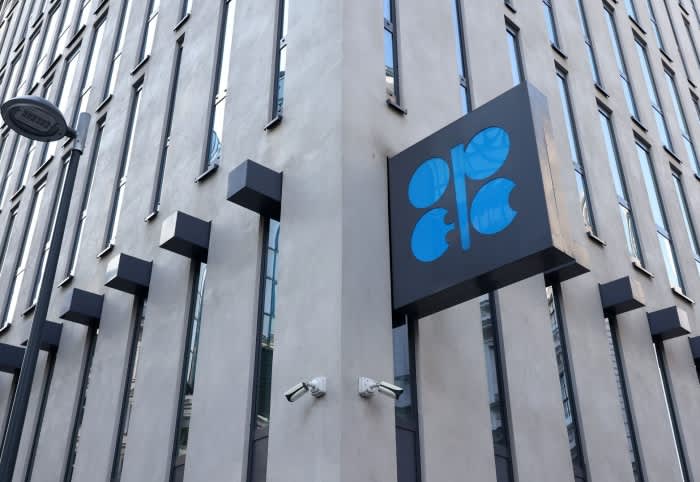
finance.yahooreutersglobalnewsOPEC+ expects to pause its series of oil-production quota increases after a final hike in September, as the producer group continues to assess the evolving supply disruptions caused by the Iran war, according to delegates and sources familiar with the discussions.
The group plans to ratify an agreement to raise its September quota by 188,000 barrels per day when it meets virtually on August 2, Bloomberg reported on Monday, citing two delegates who asked not to be identified. That increase will complete a current tier of hikes, and there are no plans for further increases this year. Reuters separately reported that four sources confirmed the alliance is likely to suspend its gradual production increases beyond September through the end of 2026.finance.yahoo+1
The planned pause would cap a sustained period of output increases that began in April, when OPEC+ moved to restore supply after the Iran war disrupted global oil flows through the Strait of Hormuz. Seven core members — Saudi Arabia, Russia, Iraq, Kuwait, Algeria, Kazakhstan, and Oman — have raised their output quotas from April through August by 958,000 barrels per day. A September increase of 188,000 bpd would bring the total unwinding to roughly 1.15 million bpd over six months.cnbc+1
The group has maintained the flexibility to "increase, pause or reverse" its production adjustments at each monthly meeting, according to OPEC's own statements. One delegate noted the pause remains subject to change depending on market circumstances.opec+1
The conflict between the United States and Iran, which began in early 2026, at one point choked off about a fifth of global oil supply through the closure of the Strait of Hormuz. While the strait has gradually reopened, allowing Gulf exports to resume, production levels among affected OPEC+ members are still catching up to their higher quotas.globalnews+1
Oil prices have fallen sharply from peaks above $113 per barrel in April to below $70 by early July as supply conditions eased. The International Energy Agency warned in April that the war had "thoroughly upended the global outlook for oil consumption," projecting demand contraction in the second quarter that marked the deepest drop since the COVID-19 pandemic.energynow+1
The decision to halt further increases suggests OPEC+ is now pivoting from an aggressive supply-restoration mode to a more cautious stance as it weighs whether the market can absorb additional barrels amid uncertain demand and the lingering effects of the conflict.