Newsletter Subscribe
Enter your email address below and subscribe to our newsletter
[forminator_form id="25163"]

All voices matter
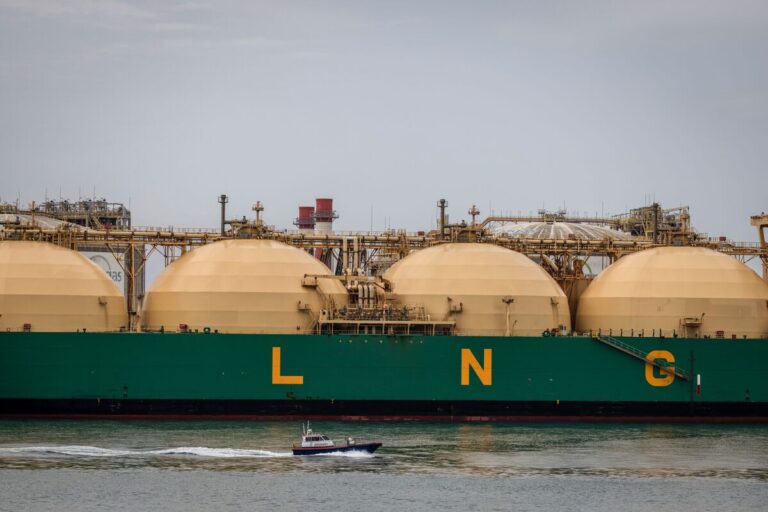
reutersreuters+1theedgemalaysia+1Major OPEC+ nations have agreed in principle to raise their collective production quota by 188,000 barrels per day for September, according to delegates and sources familiar with the talks ahead of a video conference on Sunday. The move, led by Saudi Arabia and Russia, would complete the theoretical revival of supply cuts first imposed in 2023, though a pause in further increases is expected for the fourth quarter.theedgemalaysia+1
Reuters reported that OPEC+ plans to pause quota increases after September, holding steady through the fourth quarter. The group has raised quotas each month throughout the ongoing Iran war, even as actual supply from the region remains constrained by the conflict. The increase is largely symbolic — it would give Saudi Arabia leeway to raise production once oil flows from the Persian Gulf return to normal, helping to replenish depleted global stockpiles.straitstimes+2
A supply squeeze triggered by the conflict has pushed up the cost of fuels like gasoline and diesel, stoking fears of another spike in inflation. President Donald Trump said over the weekend that the U.S. will hold off on new strikes against Iran after the Islamic Republic and other Middle Eastern nations indicated they were working toward a deal.theedgemalaysia+1
An eventual supply boost from OPEC+ could help rekindle the temporary surplus that emerged during a ceasefire between the U.S. and Iran in July, an oversupply some forecasters anticipate returning later in 2026. The exit of the United Arab Emirates from OPEC in May, following years of frustration with the group's production limits, has also spurred speculation that OPEC could one day face a contest over market share among its remaining members.theedgemalaysia+1
The decision to pair a September increase with a fourth-quarter pause suggests the group is treading carefully, balancing the need to signal readiness to supply more oil against the reality that war continues to disrupt flows through key export routes like the Strait of Hormuz.