Newsletter Subscribe
Enter your email address below and subscribe to our newsletter
[forminator_form id="25163"]

All voices matter
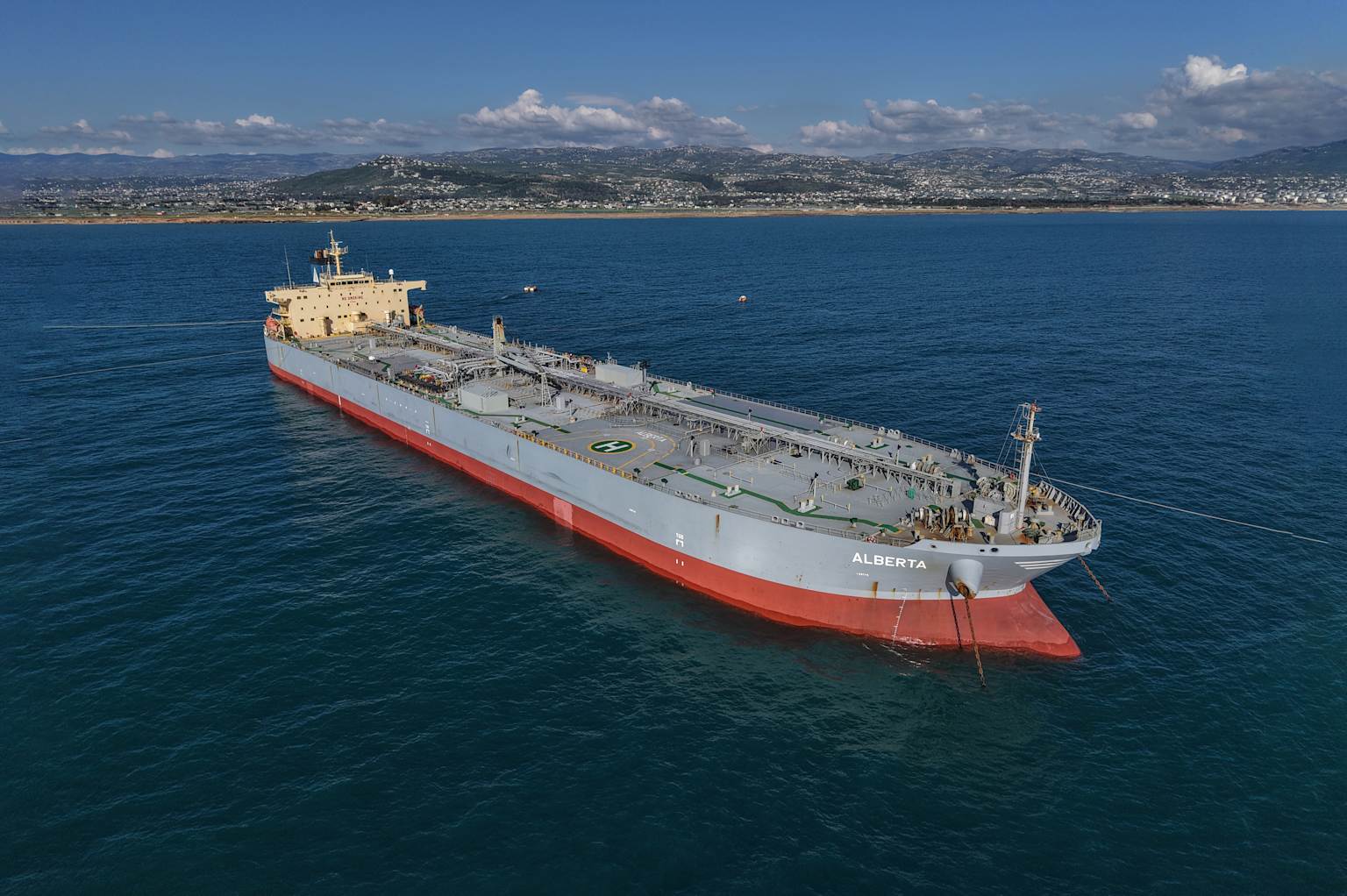
kfgo.com.ogj.com+1.kfgo.com+1.Oil prices held steady in Asian trading on Thursday, Nov. 19, after a sharp drop the day before. Traders weighed a growing US crude stockpile and expectations of a global supply surplus against new attacks on tankers near the Strait of Hormuz. Brent edged higher in early trading and US West Texas Intermediate slipped slightly, Reuters reported. On Wednesday, Brent fell 1.3% and WTI lost 3.2%, closing at its lowest level since Aug. 26, as crude shipments through the strait returned to roughly pre-war levels.kfgo.com
The US Energy Information Administration said commercial crude inventories rose 3.4 million barrels to 417.8 million in the week ended Nov. 13. That still leaves stocks 3% below the five-year average, according to Oil & Gas Journal. Analysts polled by Reuters had expected a build of only 58,000 barrels, the agency noted. Minutes from the Federal Reserve's October meeting also raised expectations of a rate hike in December. "The question is no longer simply whether the Fed will hike rates in December, but by how much," analysts at brokerage PVM wrote, adding that a stronger dollar hinders "any attempt by the oil market to rally."ogj.com+1
Supply is rising as well. OPEC+ output reached 41.23 million barrels per day in October, about 2 million bpd more than in September, Forbes reported. The IEA's latest monthly report expects a fourth-quarter surplus of 1.7 million bpd. ING strategists Warren Patterson and Ewa Manthey said "rising OPEC+ output, resilient Russian exports and building US inventories point to a more comfortable supply picture," Oilprice.com reported.oilprice.com+1
Prices still have support from the US-Israeli war on Iran. Iran's navy said mines disabled three oil tankers sailing east of the strait, Iranian media reported Wednesday. Analytics firm Vortexa said Iran had designated more than half of the shuttle tankers Gulf producers use. So far that has not cut volumes, because exporters have added extra ship-to-ship transfers, according to Oilprice.com.kfgo.com+1
In its World Energy Outlook 2026, released Thursday, the International Energy Agency called the Hormuz disruption the largest energy supply shock on record. By November it had removed a cumulative 2.8 billion barrels of oil and 60 billion cubic meters of gas from Gulf supplies, Anadolu Agency reported. The agency also looked at a scenario in which shipping through the strait stays risky for years. In that case, bypass pipelines, other suppliers and lower demand could cut the oil that needs to pass through it from 20 million bpd before the crisis to 8.5 million in 2030 and below 2 million by 2035.anews.com.tr
"The Strait of Hormuz crisis has created the largest threat to energy security in history, one that dwarfs the scale of the oil shocks of the 1970s," IEA Executive Director Fatih Birol wrote in the report's foreword, The Straits Times reported. Birol told CNBC that confidence in the strait "has been crushed," and added: "I think perceptions of risk around the Strait have changed for good."cnbc.com+1