Newsletter Subscribe
Enter your email address below and subscribe to our newsletter
[forminator_form id="25163"]

All voices matter
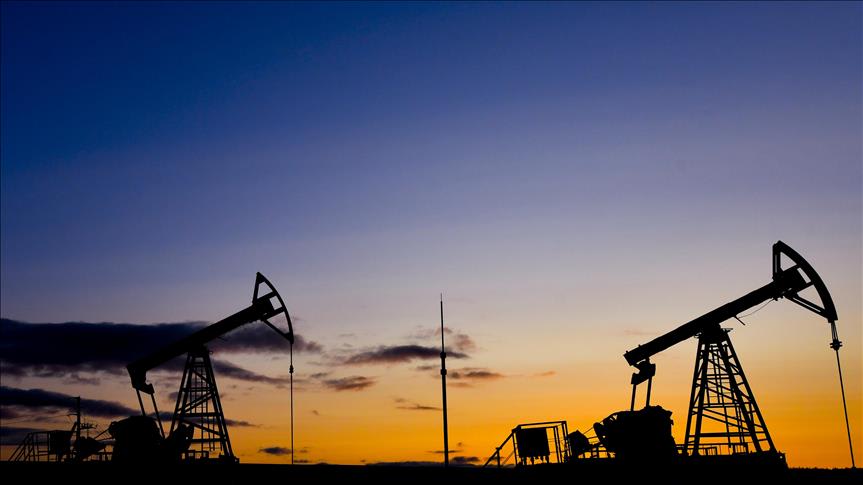
rmb.reuters.com.marketscreener.com+1.rmb.reuters.com+1.Oil prices slipped on Thursday, November 12, as traders weighed a rebound in Gulf crude production against the continued danger to shipping in the Strait of Hormuz. Brent futures fell more than $1 a barrel in early Asian trading before recovering part of the loss in London, and both benchmarks were headed for a weekly decline, Reuters reported. Brent has stayed in the low $90s, close to a two-month low, after dropping about 18% so far in November, according to Saxo's Ole Hansen.home.saxo+1
The selloff reflects a market that has learned to work around the war. Producers are pumping more oil even though there is still no peace deal and the main shipping lane remains unsafe.
OPEC's crude output rose by 1.96 million barrels a day in October to 27.16 million, compared with 28.63 million in February before the Iran war began, Dow Jones reported. Saudi Arabia told the group it raised production to 10.56 million barrels a day from 8.37 million in September, though OPEC's secondary sources put Saudi output lower, at 9.19 million. Iraq added 496,000 barrels a day and Kuwait added 232,000, according to OPEC's November monthly report as cited by ANI. Output across the wider OPEC+ alliance reached 41.23 million barrels a day, which Reuters calculated at 97% of February levels, Oil & Gas Middle East reported.marketscreener.com+2
Pipelines, ship-to-ship transfers and US military assistance have helped Gulf producers keep exporting despite continuous attacks on vessels. The recovery also comes as OPEC reviews each member's capacity ahead of a November 29 OPEC+ meeting that will consider 2027 output targets, Oil & Gas Middle East reported. Saudi Arabia and the UAE have both cut December selling prices, a sign of growing competition for market share. The UAE left OPEC in May. Prices faced further pressure after US crude stocks rose by about 9 million barrels in the latest week, according to American Petroleum Institute data cited by Reuters.oilandgasmiddleeast.com+3
The risk of escalation remains. Iran's Revolutionary Guards Navy said two supertankers were disabled by naval mines on Wednesday night after ignoring warnings against using an "unauthorised route" through Hormuz, Reuters reported. The Washington Institute for Near East Policy counted 37 commercial vessels attacked in and around the strait in October, the highest monthly total of the war.rmb.reuters.com+1
Talks between Washington and Tehran are stuck. Iran refuses to give up its enriched nuclear material and wants sanctions relief and an end to the US naval blockade before talks resume, Hansen wrote. Goldman Sachs The Goldman Sachs Group, Inc. has warned that Brent could climb to $140 in 2027 if Gulf production stays well below its 2025 average, The Economic Times reported. "Given the uncertainty surrounding the Strait of Hormuz, the markets are unlikely to suffer a significant collapse," analyst Kikukawa told Reuters.economictimes.com+2