Newsletter Subscribe
Enter your email address below and subscribe to our newsletter
[forminator_form id="25163"]

All voices matter
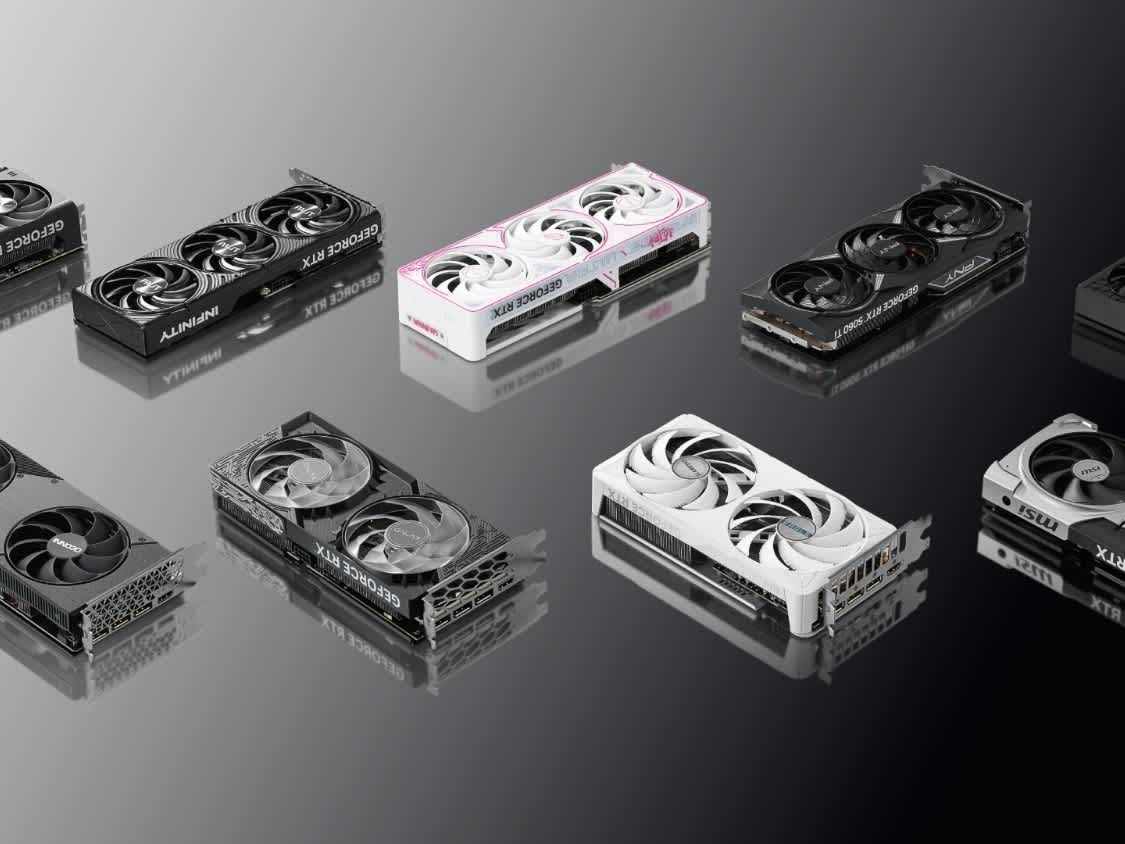
notebookcheck+1wccftech+1trendforceNvidia is raising prices on its GeForce RTX graphics cards by 20 to 30 percent, marking the third consumer GPU price increase the company has implemented since January, according to Taiwan's Economic Daily News. Unlike a previous hike in May that affected only the RTX 5090, this latest increase is expected to apply across all models in the lineup.notebookcheck+2
The price hikes stem from a broader DRAM supply crisis driven by surging demand for memory from AI data centers. Board partners are now paying nearly a third more for GPU packages — which include both the graphics chip and associated GDDR memory — than they were earlier this year. Standard 2GB GDDR7 memory chips now sell for $20, while 3GB modules cost between $60 and $70, a more than threefold premium for just 50 percent more capacity.wccftech+1
The increases are already visible at retail. WCCFtech reported that the 16GB GDDR7 RTX 5070 Ti is now selling for approximately 10,700 yuan ($1,581) in China, up from 9,299 yuan ($1,374) the previous week and 7,200 yuan ($1,064) at launch in November 2025.wccftech
The memory cost surge extends beyond consumer products. Nvidia's upcoming Vera Rubin AI platform faces memory expenses estimated at over $2 million per rack — a 435 percent increase from the Grace Blackwell generation. Reports from TrendForce indicate Nvidia may halve SOCAMM memory capacity on Vera Rubin CPUs from 192GB to 96GB per module to manage costs, reducing total system memory from approximately 55TB to 28TB per rack.trendforce
Seeking Alpha reported on July 29 that Wedbush analysts flagged the widening impact of rising memory prices on Nvidia's product roadmap.
The DRAM crisis is expected to persist at least until 2028, when expanded production capacity may finally improve availability. AMD Advanced Micro Devices, Inc. and Intel have also raised GPU and memory prices this year, while gaming hardware including the PlayStation 5, Steam Deck, and Nintendo Switch 2 have seen related price increases. Graphics card manufacturers reportedly cannot predict how prices will develop in the coming months given the rapid changes in memory supply and cost.notebookcheck