Newsletter Subscribe
Enter your email address below and subscribe to our newsletter
[forminator_form id="25163"]

All voices matter
tomshardwarepcworld+1wccftechThe 2026 hardware market is buckling under the weight of memory price inflation, driven by insatiable demand from AI data centers. From enterprise AI racks costing nearly $8 million to consumer graphics cards selling far above their suggested retail prices, the ripple effects of a global DRAM shortage are reshaping what buyers at every level can afford.
According to Morgan Stanley Research estimates reported by WCCFTech, the bill of materials for Nvidia's upcoming Vera Rubin NVL72 rack totals approximately $7.8 million, with memory alone accounting for over $2 million — a 435% increase over the Grace Blackwell generation. Each rack holds 72 Rubin GPUs with 288 GB of HBM4 memory per chip, plus 1.5 TB of LPDDR5X per Vera CPU, bringing total rack memory to over 20 TB of HBM4 and 54 TB of LPDDR5X. Memory now represents 26% of the entire system cost, up from a fraction of that in prior generations.wccftech
The per-rack DRAM cost has effectively risen roughly 2.5 times in a single generation, reflecting both greater memory capacity demands and acute supply constraints for HBM and LPDDR technologies. Production of the Vera Rubin platform is expected to ramp in the second half of 2026.wccftech
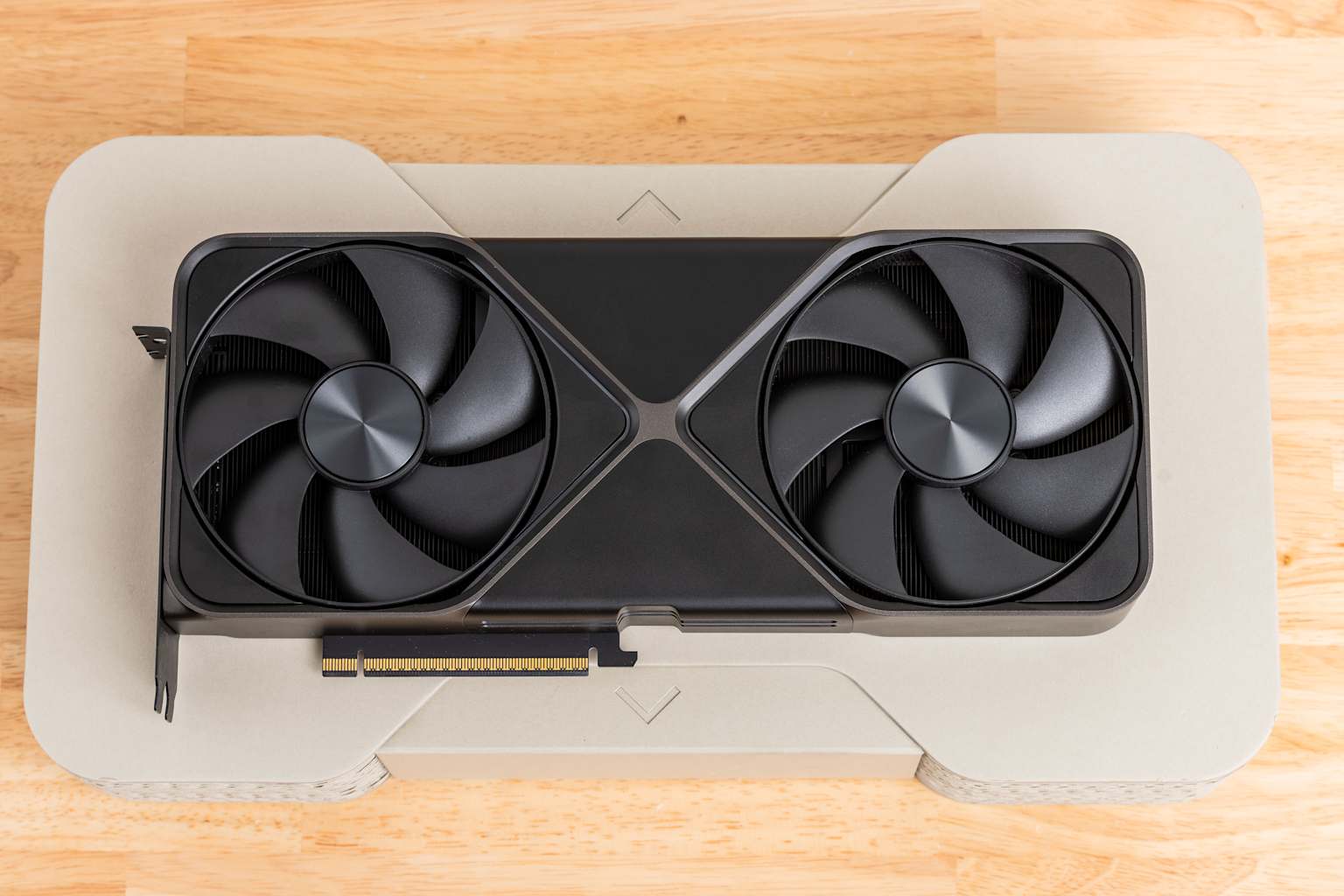
The memory crisis is not confined to data centers. In Canada, the RTX 5070 Ti — a card with a $749 USD MSRP — is listed at approximately $1,409 to $1,482 CAD on Amazon, well above the $1,022 CAD launch-equivalent price. At Newegg, marketplace sellers have listed models between $1,299 and $1,420 USD. Tom's Hardware reported that RTX 5070 prices spiked 36% between June and August 2026, with other Blackwell cards following suit.bestvaluegpu+2
As PCWorld's News Corp Michael Crider wrote this week, reflecting on a discounted RTX 5070 Ti he purchased last November for an effective $510: "The best time to buy or upgrade a gaming PC was 2025. The second-best time is now… even though now is absolutely awful".pcworld
IDC warned in late 2025 that the memory shortage could persist into 2027, and SK Hynix has indicated constrained supply may last until 2030. PCMag noted that major AI cloud companies have consumed a disproportionate share of memory production capacity. Even memory manufacturing capacity is reportedly sold out through 2027, according to industry reports. With smaller manufacturers squeezed and companies like Framework struggling under cost pressures, the K-shaped split in the PC market — affordable machines growing weaker while powerful ones grow pricier — shows no signs of closing.pcmag+2