Newsletter Subscribe
Enter your email address below and subscribe to our newsletter
[forminator_form id="25163"]

All voices matter
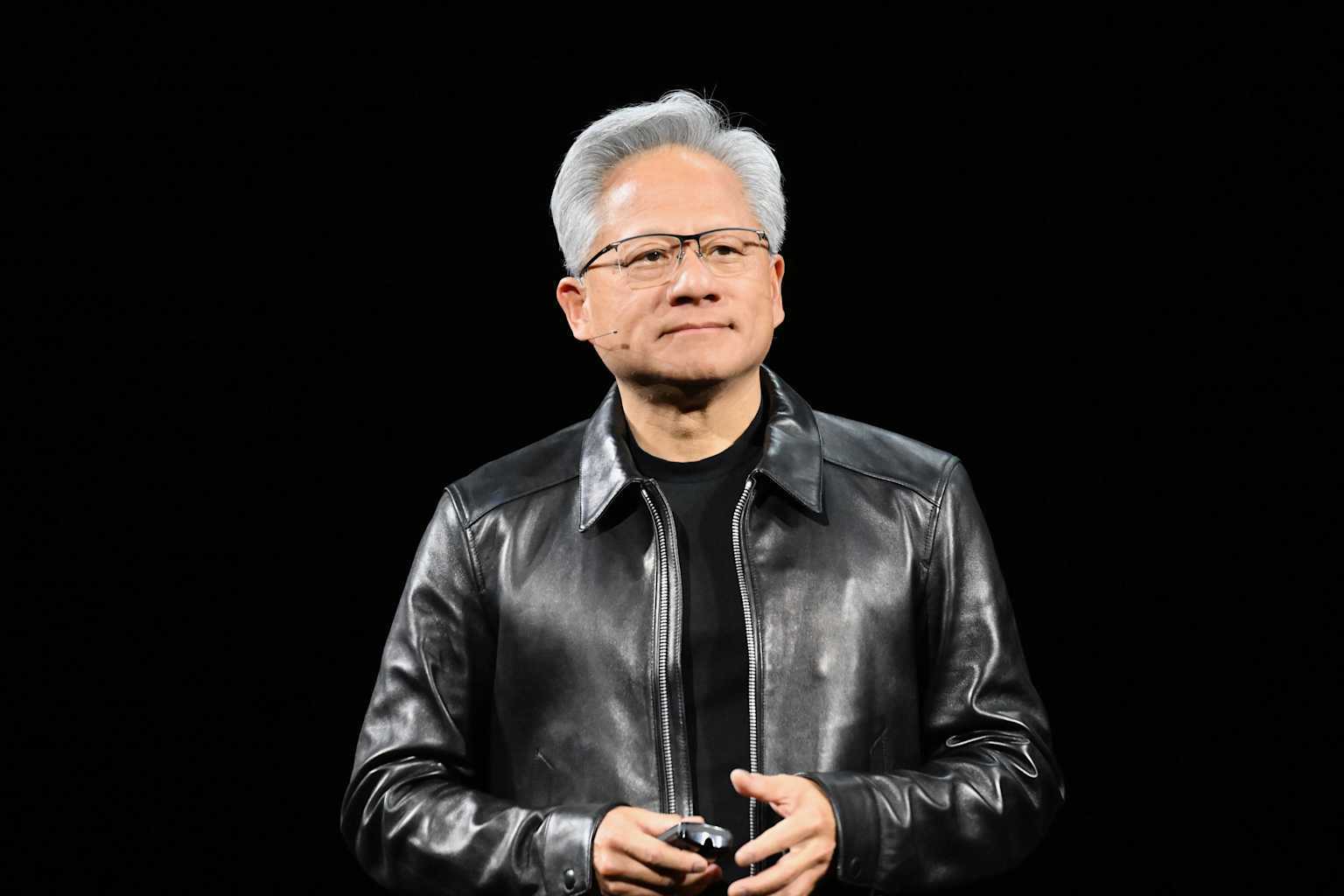
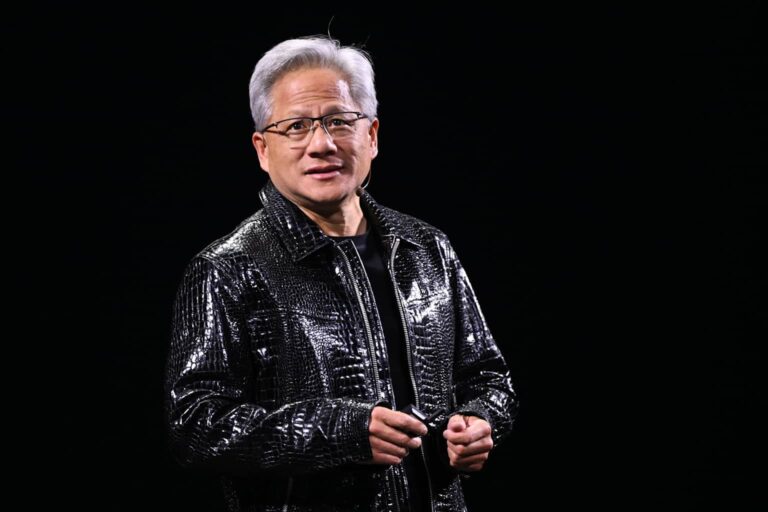
investor.nvidia.com+2.fortune.com.fortune.com+1.Jensen Huang's resignation from Nvidia has started a debate over how much protection tech founders get from their companies' share structures. Huang was Nvidia's largest individual shareholder, but he never held enough votes to control the board that accepted his exit. Mark Zuckerberg at Meta holds super-voting shares. Elon Musk at Tesla does not, though his stake is far larger than Huang's was.
Nvidia's board announced on Thursday, November 12 that Huang had resigned as president, CEO and director, effective immediately. Chief Financial Officer Colette Kress is serving as interim CEO. The exit followed New York Times reporting that Huang had an affair with an executive who reported to him and another with a woman U.S. officials identified as a Chinese spy. Nvidia also named director Harvey Jones as its first-ever board chair. The shares closed down 4.34% on Thursday.investor.nvidia.com+3
Huang owned about 870.6 million shares, or roughly 3.58% of the company, according to the 2026 proxy statement cited by Fortune. Vanguard and BlackRock each held more than 7%. Because each Nvidia share carries one vote, his cofounder status brought no extra voting power. Directors could remove the CEO with or without cause by majority vote, though in the end that vote was not needed.fortune.com+1
Huang had said as much himself. "If the CEO doesn't do his job according to 12, 13, 15 board members, however sized the board is, that CEO is let go," he said in a January podcast interview.fortune.com
Meta's setup is different. Zuckerberg owns 13.4% of the company but controls about 60% of the votes through Class B shares that carry 10 votes each, Fortune reported. That lets him effectively elect the entire board. Snap and Alphabet give their founders similar control.fortune.com
Devina Mehra, founder of First Global, said dual-class structures protect Zuckerberg and Musk in a way Huang was never protected, Business Today reported. "It is no longer 'one share one vote' which has traditionally been the basis for good corporate governance," she wrote. Mehra argued the affairs alone were not what forced Huang out. "American boards cannot tolerate an undisclosed relationship with an employee," she wrote.businesstoday.in
Mehra's point about Tesla needs a correction. Tesla has a single share class, and Musk does not hold super-voting shares there. Tesla's latest proxy lists Musk as owning about 19.8% of its common stock. The proxy also says he cannot direct the votes on unearned shares from his 2025 pay award. Reuters reported that even if Musk hits every target in that plan, he would hold only about 29% of Tesla's voting power. The super-voting shares he does hold are at SpaceX.fidelity.com+2
Musk's stake is still more than five times the size of Huang's. Musk has also said he wants about a quarter of Tesla's votes so he cannot be removed. That is the kind of protection Huang never had.moneywise.com