Newsletter Subscribe
Enter your email address below and subscribe to our newsletter
[forminator_form id="25163"]

All voices matter
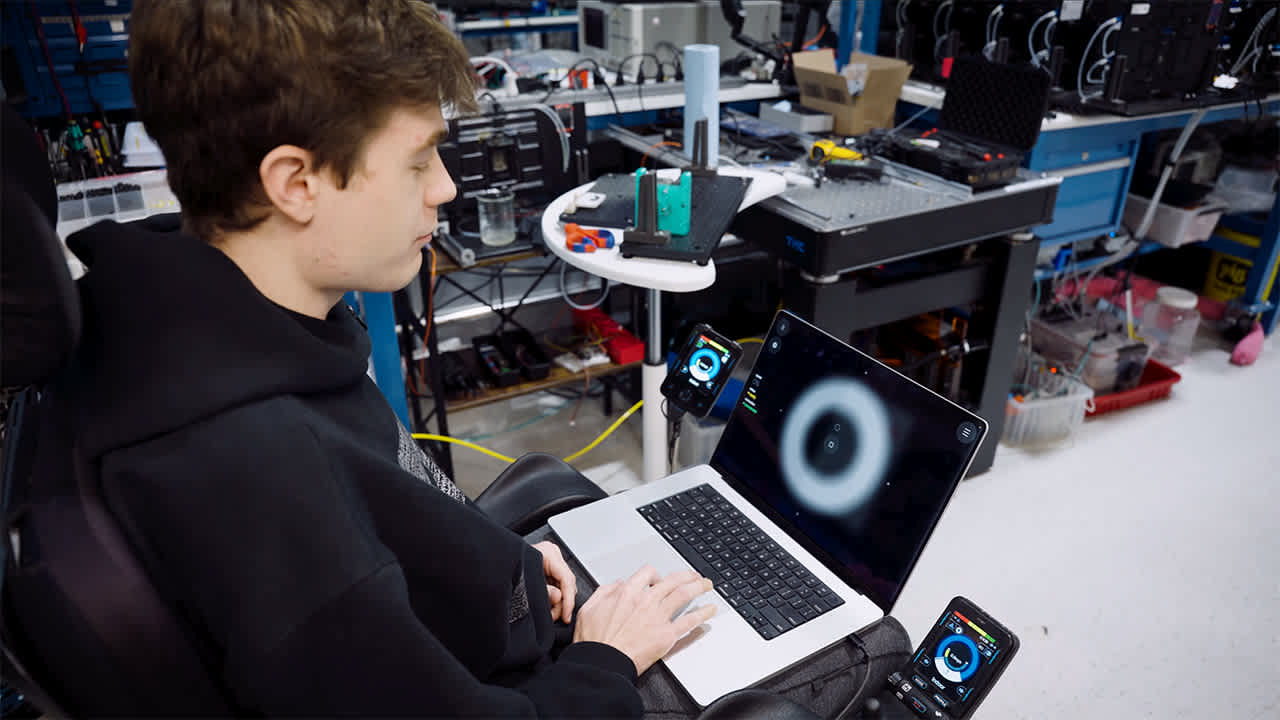
youtube+1basenor+1youtubeNeuralink released footage on July 23 showing paralyzed clinical trial participants controlling powered wheelchairs using only their thoughts, marking a new capability for the company's brain-computer interface technology.
The video, posted to Neuralink's official accounts and YouTube channel, demonstrates how the company's N1 brain implant decodes movement intentions in real time to move an on-screen cursor, which in turn controls the wheelchair. According to Neuralink, the cursor controls a custom app displaying a live camera feed of what is in front of the participant: moving the cursor up drives the wheelchair forward, down moves it backward, and left or right steers. The farther participants push the cursor in any direction, the faster the chair moves.youtube+1
"We've been exploring how clinical trial participants can control a powered wheelchair — with their minds," Neuralink wrote in its post. The company described the demonstration as "an important step on the path towards restoring independent mobility for people with paralysis".x+1
Elon Musk amplified the announcement on X, writing that the technology is "helping those who have lost their mind to body connection".x
The demonstration comes from Neuralink's PRIME Study, an investigational trial evaluating the safety and functionality of the N1 implant for people with quadriplegia from spinal cord injury or ALS. The implant, placed in the motor cortex, uses 1,024 electrodes distributed across ultra-thin polymer threads to record neural activity.neuralink
Neuralink has accelerated its clinical enrollment this year, reaching 26 patients globally by June 2026 across its PRIME and GB-PRIME studies. The company completed its first transdural implant — inserting electrode threads through the dura without removing it — in May 2026 at Toronto Western Hospital. Seven patients in Great Britain are also participating through University College London Hospitals and Newcastle upon Tyne Hospitals.facebook+3
Neuralink emphasized that its devices "are investigational and have not been approved by the FDA or other regulatory authorities". The PRIME Study operates under an investigational device exemption granted by the FDA in May 2023. While Musk has spoken of plans to scale to over 1,000 implants and automate the surgical procedure, the technology remains in early-stage clinical testing, with no timeline announced for seeking broader regulatory clearance.teslarati+3