Newsletter Subscribe
Enter your email address below and subscribe to our newsletter
[forminator_form id="25163"]

All voices matter
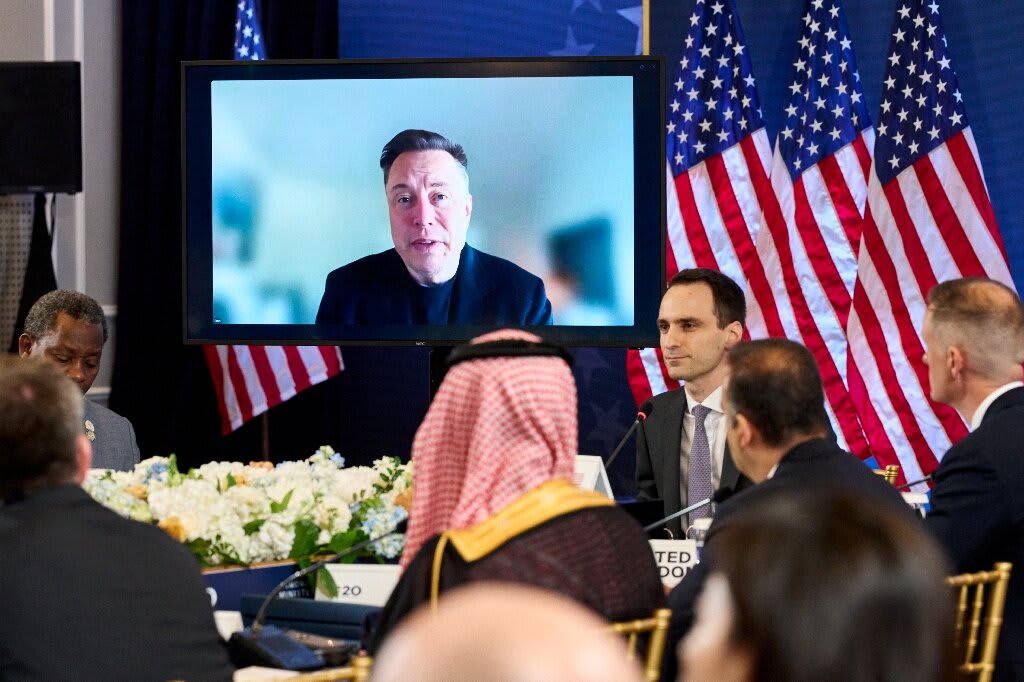
freepressjournal+1businessinsider+1freepressjournalElon Musk told finance and technology ministers from the Group of 20 nations on Monday that the artificial intelligence industry faces a near-term electricity crisis, projecting at least a 15-gigawatt power shortfall for AI chips by 2027 as chip production outpaces energy infrastructure.
Speaking via video link to the G20 Innovation Ministerial in Chapel Hill, North Carolina, on September 1, Musk said AI chip output was growing 40 to 50 percent annually while available power generation outside China was expanding only 10 to 20 percent per year. "There actually is a crisis of power. There will be a significant power shortfall next year, so not like the distant future," he said. He added that AI could increase global economic output by 20 to 30 percent, or roughly $20 trillion to $30 trillion annually.freepressjournal+2
Musk's warning follows a wave of corporate moves to secure dedicated power supplies. SpaceX is building an in-house gas turbine blade foundry in Bastrop, Texas, aiming to bypass a global manufacturing bottleneck — only three foundries worldwide can cast the hot-section components large gas turbines require, and their order books are reportedly full through 2030. Musk said in-house casting could "accelerate natural gas turbines coming online by up to 18 months".businessinsider+1
NVIDIA is also moving upstream. In August, Reuters reported the chipmaker plans to invest up to $3 billion in Lancium, a Texas-based power infrastructure developer behind the Stargate AI data center campus. The deal would give NVIDIA roughly 20 percent ownership through an initial $2 billion equity stake, with an additional $1 billion tied to grid-connection milestones.reuters
Meanwhile, Microsoft and Chevron signed a 20-year power purchase agreement on June 22 for Project Kilby, a co-located natural gas power plant and data center campus in West Texas targeting 2.67 gigawatts of generation capacity. The project, which operates entirely behind the meter with no utility interconnection, aims to deliver first power by 2028, with a final investment decision expected before year-end 2026.esgnews+2
The shortfall is not simply about total generation capacity. The International Energy Agency forecasts global data center electricity consumption could nearly double from roughly 485 terawatt-hours in 2025 to around 950 TWh by 2030. Industry analysts point to three concurrent mismatches: AI chip and server production can scale in one to two years, while power plants, transmission lines, and grid connections take far longer; generation capacity may not exist where data centers are located; and AI workloads demand uninterrupted, high-quality power that intermittent renewables alone cannot provide.futunn
Musk urged G20 governments to treat rapid power expansion as an opportunity. "This creates an opportunity for countries around the world, if they're interested in AI data centres, to construct a lot of power and offer that to AI companies," he said. Such facilities, he added, would generate tax revenue and fees for host nations.freepressjournal