Newsletter Subscribe
Enter your email address below and subscribe to our newsletter
[forminator_form id="25163"]

All voices matter
uploadvr+1uploadvr+1engadget+1Meta Connect 2026 is set to begin on Wednesday, September 23, with CEO Mark Zuckerberg delivering an evening keynote at 4 PM PT from the company's Menlo Park, California campus. Reports in the days leading up to the two-day event point to two headline hardware announcements: a mixed-reality headset codenamed Phoenix and a camera-free pair of smart glasses known internally as Luna.
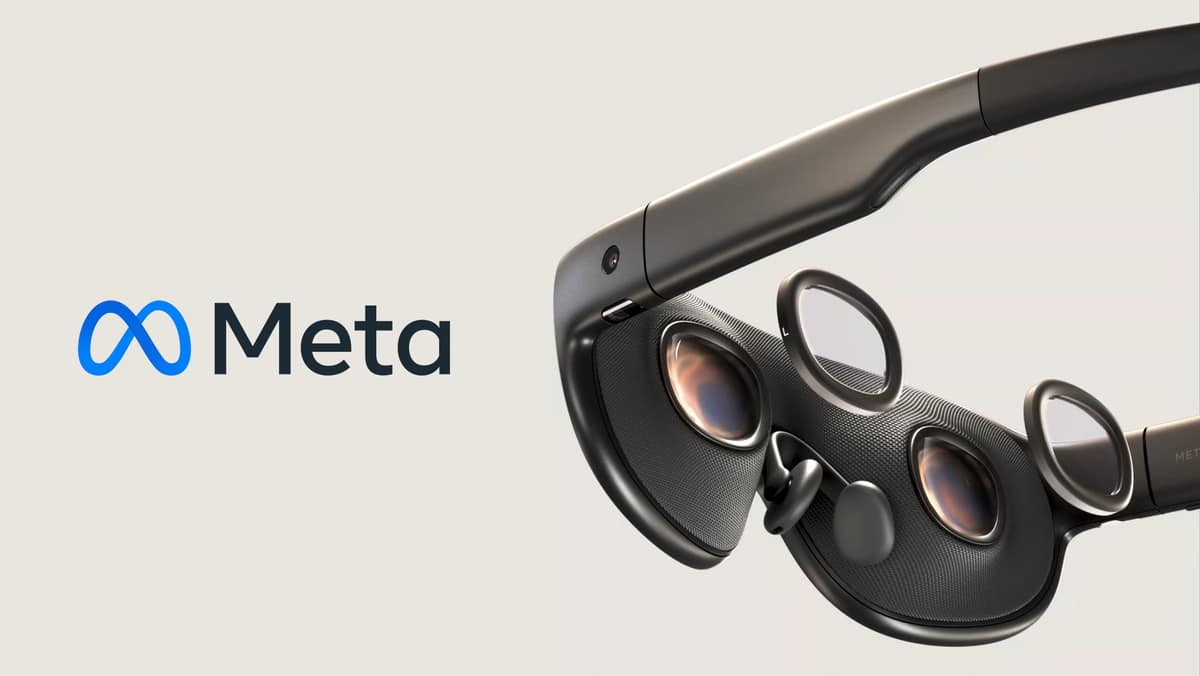
The Information reported this week that Meta plans to demo Phoenix during the keynote alongside "a full-body, photorealistic hologram call experience" powered by the company's long-running Codec Avatars research, with CTO Andrew Bosworth appearing as the hologram. Phoenix is described as an ultralight, glasses-like mixed-reality headset tethered to a separate compute puck, positioning it as a sleeker successor to the Meta Quest Pro. Official images of the device surfaced earlier this month in a Horizon OS firmware update, showing a thin form factor closer to goggles than a traditional headset.uploadvr+1
According to UploadVR, Phoenix is technically a passthrough VR headset operating on the same principle as the Meta Quest 3, though Meta may market it differently. The device is expected to support hand and eye tracking rather than a dedicated controller, and Engadget reports it could be among the first devices to use Qualcomm's new Snapdragon Reality Elite chip, designed specifically for slimmed-down mixed-reality form factors.engadget+1
Separately, The Information reported that Meta is preparing Luna, a pair of Ray-Ban Meta glasses that drops the outward-facing camera in favor of six microphones, speakers, and a side button for Meta AI. The glasses will reportedly come in two styles called Clubmaster and Burbank, with slimmer temple arms made possible by the absent camera module. Luna is also expected to connect to Muse, the personal AI agent Meta launched on September 8.mixed-news+2
The camera-free design addresses a wave of backlash that has led venues in the UK and nightclubs in New York to ban Meta's camera-equipped glasses. However, as Memeburn noted, removing the camera shifts rather than eliminates privacy questions — Meta's current voice controls policy stores wake-word recordings by default for up to one year.memeburn
Beyond hardware, Engadget reports the event will cover updates to Meta's AI efforts, third-party app development for smart glasses, and the company's evolving metaverse strategy. Developer sessions on September 24 include talks on building web apps for Meta Ray-Ban Display and controller-free VR interaction. Luna could ship as early as October, according to reports, but Meta has officially confirmed neither product.mixed-news+2