Newsletter Subscribe
Enter your email address below and subscribe to our newsletter
[forminator_form id="25163"]

All voices matter
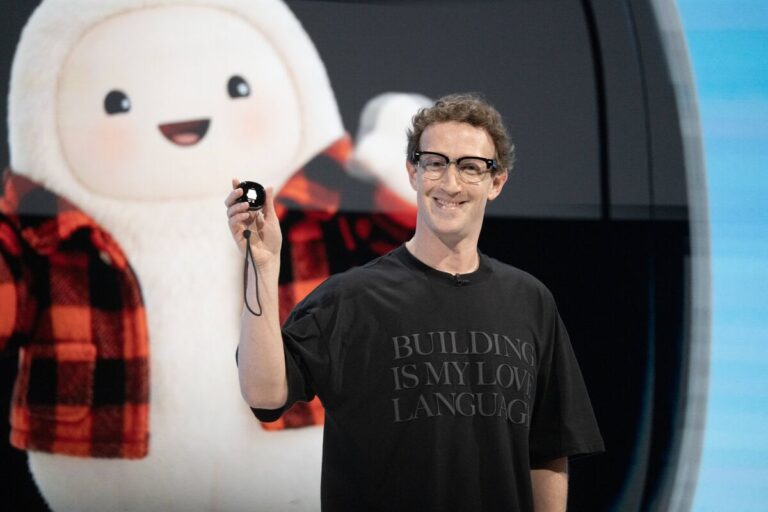
unite.unite.runtimewire.On Friday, October 2, Meta released open-source ESP32 firmware and a Linux software development kit (SDK) that let hobbyists connect its Muse AI agent to devices they build themselves. Muse Gadgets is meant to take an agent that has mostly worked inside apps and browsers and put it on homemade displays, buttons, sensors and smart-home gear.theverge+1
Nat Friedman of Meta Superintelligence Labs announced the project in a post on X. He wrote that it is "an open source ESP32 firmware and Linux sdk so that you can make hardware devices that work with Muse". He called it a "side project".unite+1
The code sits in the facebookincubator/muse-gadget-sdk repository on GitHub under the Apache 2.0 license. It has separate folders for ESP32, Linux and "skills," plus guidance files written for AI coding agents. The ESP32 SDK lets an off-the-shelf board run a screen, audio input and output, or sensors. The Linux SDK turns a Raspberry Pi or other Linux computer into a gadget that can run custom commands or work with Home Assistant.unite
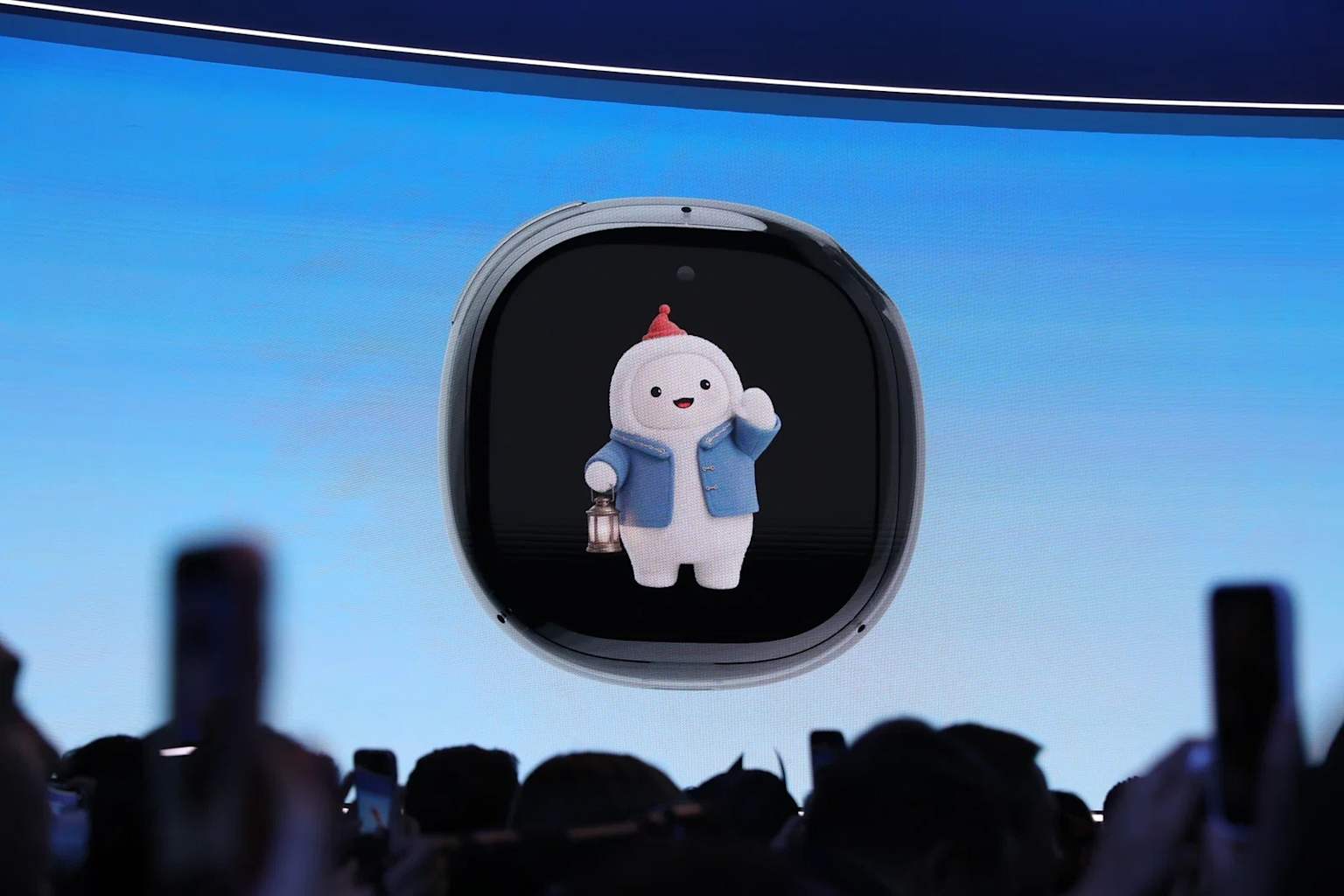
Meta suggests a few projects: Muse on a color E Ink display that shows reminders, on an HDMI stick for a TV, or on a small touchscreen device. "Muse gadgets are open source devices you build yourself," Meta says. It also warns builders to "Proceed at your own risk!"theverge
Meta also introduced the Muse Home Link, a small USB-C-powered adapter built on Espressif's ESP32-C5 chip. It connects Muse to a home Wi-Fi network. Through community-built skills, the agent can "turn on a light, control your TV, send a document to a printer, and more, depending on your setup," Meta says. Listed integrations include Philips Hue, Sonos, Apple TV, Google Nest speakers and Samsung TVs.runtimewire+1
"We manufactured a batch of 5000 Home Links which should be ready to ship in a few weeks, and they are free for Muse subscribers while supplies last," Friedman wrote. According to Meta's claim terms, the free offer is limited to active subscribers in the United States, one per person, with shipping expected in October. Claiming a unit reserves a place in line and does not count as an order.unite
The code is open, but Meta still controls the connection to Muse. Every gadget needs a Muse Gadget SDK token. Meta's terms say the SDK is not a supported product, and the company can change or withdraw access at any time. The terms also limit each token to 50 devices and ban embedding tokens in devices sold for money without written permission.runtimewire
Meta launched Muse in the U.S. on September 8 as an agent that carries out tasks using a dedicated cloud computer and browser. Whether hobbyist projects built on it last, RuntimeWire noted, "will depend on Meta keeping the service interface available".runtimewire