Newsletter Subscribe
Enter your email address below and subscribe to our newsletter
[forminator_form id="25163"]

All voices matter

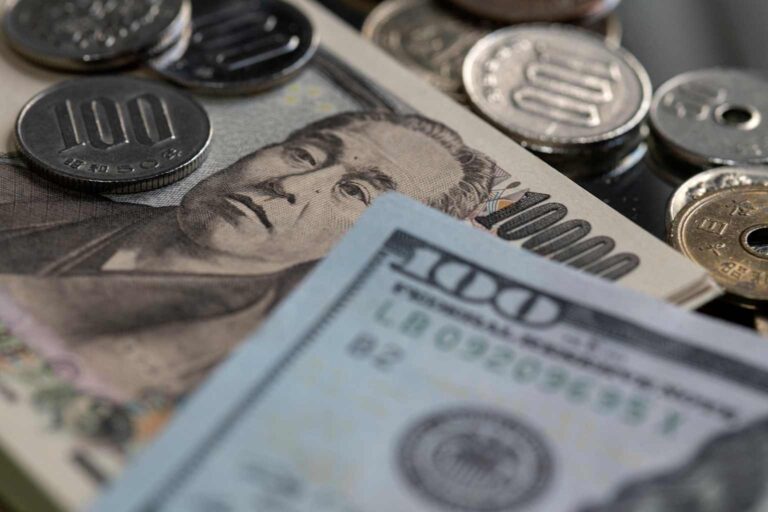
reuters+1reutersreuters+1The Japanese yen surged by as much as 2.4% against the dollar on Thursday in its biggest single-day gain since January 2023, with market participants attributing the sharp move to government intervention in New York currency markets. South Korea simultaneously conducted a rare dollar-selling intervention, sending the won to a nine-month high in what traders described as a coordinated effort by the two Asian economies.
Japan conducted yen-buying, dollar-selling intervention in New York trading on Thursday, a market source told Reuters, its first such action in three months. The move came as the currency's slide to four-decade lows threatened to worsen living costs already strained by an energy shock linked to the conflict in the Middle East.reuters+1
The dollar sank to a more than two-month low against the yen during the session. Analysts had been on alert for weeks as Japanese officials repeatedly warned they were prepared to act. Japan's Ministry of Finance had previously deployed a record 11.73 trillion yen in intervention between late April and late May after the dollar first breached 160 yen.kfgo+2
South Korea's foreign exchange authorities joined with their own rare dollar-selling operation on Thursday, pushing the won 2% higher to 1,418.0 per dollar, its strongest since October. The won, which had touched a 17-year low of 1,561.50 last month, has gained more than 8% in July, on track for its biggest monthly jump since March 2009.reuters+1
"It is suspected that South Korea and Japan intervened together, since the countries said they would coordinate closely," a South Korean currency trader told Reuters.reuters
The yen came under renewed pressure on Friday as the Bank of Japan began announcing its policy decision. The dollar clawed back as much as 0.45% in early Asian trading. The BOJ is widely expected to keep short-term interest rates steady at 1%, having hiked by 25 basis points to that level in June — the highest since 1995.cnbc+3
However, most analysts polled by Reuters expect the central bank to signal its resolve to continue raising borrowing costs, with a further hike to 1.25% anticipated by year-end. Mounting price pressures from the weak yen and Middle East-driven energy costs risk pushing underlying inflation above the BOJ's target.reuters+1
The joint action underscored deepening cooperation between Tokyo and Seoul on currency matters. South Korea's vice finance chief said on July 2 that Seoul was closely communicating with Japan on foreign exchange issues, and Japan's top currency diplomat followed on July 7, citing similar movements in the two countries' financial markets. The intervention also comes weeks after South Korea unveiled plans to make the won freely tradable among foreigners starting in January 2027, part of broader efforts to liberalize its currency markets.bloomberg+1