Newsletter Subscribe
Enter your email address below and subscribe to our newsletter
[forminator_form id="25163"]

All voices matter
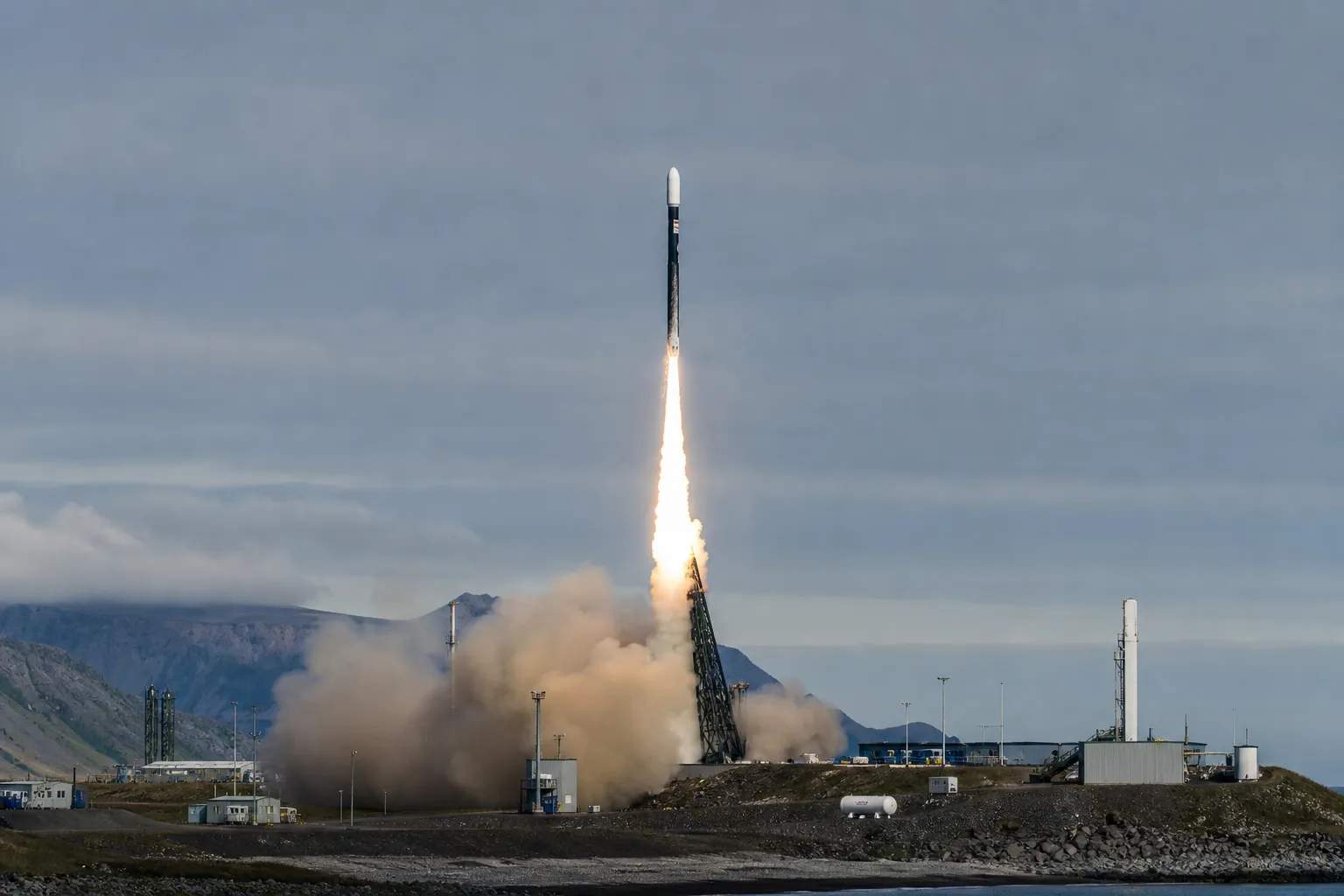
isaraerospace+1reuters+1reutersGerman startup Isar Aerospace on Saturday became the first commercial space company from Europe to deliver satellites into orbit, launching its Spectrum rocket from Norway's Arctic Andøya Spaceport at 10:12 p.m. local time. The flight marks the first time an orbital mission has originated from European soil, a milestone in the continent's push to reduce its dependence on foreign launch providers.reuters+1
The 28-metre uncrewed Spectrum rocket, dubbed "Onward and Upward," carried five small satellites and one non-separable experiment selected through the European Space Agency's "Boost!" programme. The rocket reached an altitude of 100 kilometers in less than four minutes, and Isar Aerospace confirmed that all spacecraft separations were completed successfully.isaraerospace+2
"Access to space remains one of the biggest constraints for the space industry and national security architecture," Isar Aerospace co-founder and CEO Daniel Metzler said in a statement ahead of the launch.reuters
The mission came 18 months after the company's first test flight in March 2025 ended with the rocket plunging into the sea and exploding shortly after takeoff. That failure was followed by months of delays and aborted attempts before Saturday's launch.aljazeera+2
The launch underscores Europe's broader effort to establish independent access to space at a time of geopolitical uncertainty. German Chancellor Friedrich Merz visited Isar's launch site in March, highlighting the strategic importance of homegrown launch capability as transatlantic relations shift under U.S. President Donald Trump.reuters
Europe's satellite launch options have been limited. Airbus and Safran's joint venture ArianeGroup operates from French Guiana in South America, while SpaceX dominates the global commercial launch market from U.S. soil. Isar Aerospace now offers an alternative launching directly from European territory.reuters
The launch arrives as orbital congestion becomes a growing concern. There are currently about 18,000 active satellites in orbit along with 29,000 total tracked objects, and Goldman Sachs The Goldman Sachs Group, Inc. research projects that number could reach 305,000 by 2031. SpaceX's Starlink constellation alone performed 300,000 collision-avoidance maneuvers in the past year, and experts warn that automated tracking systems may struggle to keep pace as launches accelerate.circleid